

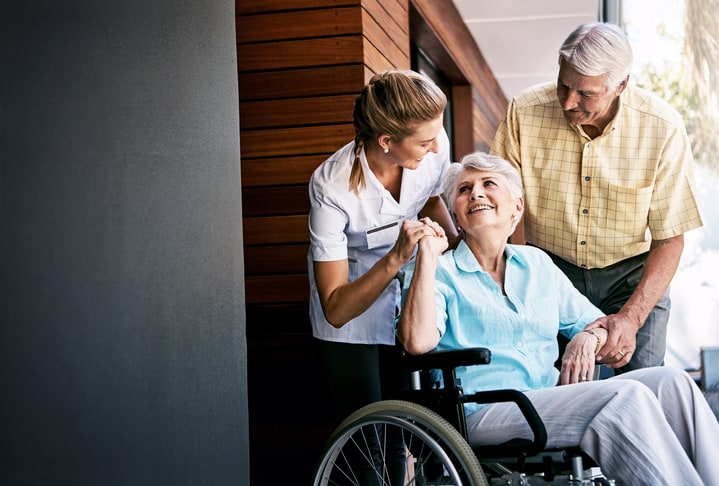
Creating a secure and comfortable living space for older adults is essential for their well-being and independence. As people age, their needs and abilities change, making it important to adapt the home environment to reduce risks and support daily living. This guide offers practical advice and actionable steps to enhance senior home safety, helping families and caregivers foster peace of mind and a better quality of life.
Alongside physical modifications, understanding the emotional and social aspects of aging can further contribute to a supportive atmosphere. For those interested in holistic approaches to well-being, exploring senior relaxation strategies can complement safety improvements and promote overall comfort.
Why Prioritizing Safety for Older Adults Matters
As mobility, vision, and cognitive abilities evolve with age, the risk of accidents at home increases. Falls, burns, and medication errors are among the most common hazards. By proactively addressing these concerns, families can help seniors maintain independence and reduce the likelihood of injuries or hospitalizations.
Addressing home safety for seniors also supports emotional well-being. When older adults feel secure in their environment, they are more likely to engage in daily activities, socialize, and enjoy a higher quality of life.
Room-by-Room Guide to a Safer Home
Each area of the home presents unique challenges. Below are targeted recommendations to minimize risks and create a more accessible living space.
Entryways and Hallways
- Ensure all walkways are clear of clutter, cords, and loose rugs.
- Install sturdy handrails on both sides of stairs and ramps.
- Use non-slip mats and adequate lighting at entrances.
Living Room and Common Areas
- Arrange furniture to allow for easy movement and avoid sharp corners.
- Secure area rugs with non-slip backing or remove them entirely.
- Keep frequently used items within easy reach to prevent overreaching or climbing.
Kitchen Safety for Seniors
- Store commonly used utensils, dishes, and food within easy reach.
- Install automatic shut-off devices on stoves and ovens.
- Use non-slip mats near sinks and cooking areas.
- Label pantry items clearly and use large-print instructions for appliances.
Bathroom Accident Prevention
- Install grab bars near the toilet and inside the shower or bathtub.
- Use a shower chair and hand-held shower head for added stability.
- Place non-slip mats inside and outside the tub or shower.
- Ensure the water heater is set to a safe temperature to prevent burns.
Bedroom Adjustments for Nighttime Safety
- Keep a clear path from the bed to the bathroom with night lights or motion-sensor lighting.
- Use a bed rail if needed for support when getting in and out of bed.
- Place a phone or emergency alert device within easy reach of the bed.
- Consider a bed exit alarm to alert caregivers if assistance is needed during the night.
Technology and Tools for a Safer Living Space
Modern devices can significantly enhance senior home safety. Consider the following solutions to support independence and provide reassurance to both seniors and caregivers:
- Motion sensor night lights illuminate pathways automatically, reducing the risk of falls at night.
- Bed exit alarms alert caregivers if someone leaves the bed unexpectedly, which is especially helpful for those with mobility or memory concerns.
- Medical alert systems enable quick access to help in case of emergencies.
- Smart home devices, such as voice-activated assistants, can control lights, thermostats, and reminders for medication.
Supporting Mobility and Preventing Falls
Mobility challenges are a leading cause of accidents among older adults. To address these risks, it’s important to assess individual needs and adapt the home accordingly. The caregiver guide to mobility problems offers practical advice for identifying hazards and implementing solutions.
Additional steps to support movement and prevent falls include:
- Encouraging regular physical activity to maintain strength and balance. For ideas, see senior exercise routines tailored for older adults.
- Wearing supportive, non-slip footwear indoors and outdoors.
- Scheduling regular vision and hearing check-ups to address sensory changes.
Medication Management and Emergency Preparedness
Proper medication management is vital for health and safety. Use pill organizers, set reminders, and keep a current list of all medications in a visible location. In case of emergencies, make sure that important phone numbers are easily accessible and that all household members know how to use emergency alert systems.
It’s also wise to create an emergency plan that includes evacuation routes, meeting points, and a list of medical conditions or allergies. Review and practice these plans regularly with family and caregivers.
Emotional Well-Being and Social Connection
Safety goes beyond physical modifications. Emotional health and social engagement play a crucial role in maintaining a fulfilling lifestyle. Encourage regular visits from friends and family, participation in community activities, and access to supportive services such as senior therapy options.
For those who enjoy travel, planning safe and comfortable trips can also contribute to a sense of independence. Explore senior travel ideas for inspiration.
Regular Assessments and Ongoing Improvements
Needs and abilities can change over time, so it’s important to review senior home safety measures regularly. Conduct periodic home assessments, involve healthcare professionals when needed, and stay informed about new products or technologies that can enhance comfort and security.
For comprehensive support, consult resources like the senior healthcare guide to address medical and wellness needs alongside home modifications.
Frequently Asked Questions
What are the most common hazards for older adults at home?
The most frequent risks include falls due to slippery floors or poor lighting, burns from hot water or stoves, and medication errors. Addressing these hazards with grab bars, non-slip mats, proper lighting, and medication organizers can significantly reduce the likelihood of accidents.
How can technology help improve safety for seniors?
Devices such as motion sensor lights, bed exit alarms, and medical alert systems provide immediate assistance and help prevent accidents. Smart home technology can also automate lighting and reminders, making daily routines safer and more manageable.
How often should home safety assessments be conducted?
It’s recommended to review the home environment at least once a year or whenever there is a change in health status or mobility. Regular assessments ensure that safety measures remain effective and adapt to evolving needs.