

Ensuring the safety and independence of older adults is a growing priority for families and caregivers. Senior safety monitoring systems have evolved rapidly, providing peace of mind while supporting aging in place. These solutions use technology to detect emergencies, monitor daily activities, and alert caregivers to potential risks—all without being intrusive. Whether you’re a family member, a professional caregiver, or a senior looking to maintain autonomy, understanding the latest options can make a significant difference in quality of life.
From wearable devices to smart home sensors, today’s monitoring technologies offer a range of features tailored to different needs. In this article, we’ll explore how these systems work, what to consider when choosing one, and how they fit into a broader strategy for senior well-being. For those interested in deeper insights, our resource on senior health insights from monitoring data provides valuable information on using data to support healthy aging.

What Are Senior Safety Monitoring Systems?
Modern solutions for monitoring seniors combine hardware and software to track health, movement, and safety in real time. These systems can include:
- Wearable devices that detect falls or track location
- Smart sensors for doors, beds, or motion
- Video monitoring with privacy controls
- Emergency alert buttons and voice-activated assistants
The primary goal is to provide timely alerts to caregivers or family members if something unusual occurs—such as a fall, wandering, or a sudden change in daily routine. Many systems also offer data analytics, helping families and healthcare providers spot trends that may indicate declining health or increased risk.
Key Features to Look For in Modern Monitoring Solutions
Choosing the right senior safety monitoring system depends on the individual’s needs, living environment, and comfort with technology. Here are some essential features to consider:
- Fall detection: Automatically alerts caregivers if a fall is detected, even if the person cannot call for help.
- Activity tracking: Monitors movement patterns, sleep, and daily routines to identify changes that may signal health issues.
- Emergency response integration: Connects directly to emergency services or designated contacts.
- Remote access: Allows family members to check in via smartphone apps or web portals.
- Privacy controls: Ensures sensitive data is protected and video/audio monitoring is used appropriately.
Some systems also integrate with smart home devices, enabling automation such as turning on lights at night or locking doors automatically. For those interested in advanced tech, our article on next generation elder care technology explores the latest breakthroughs in this space.
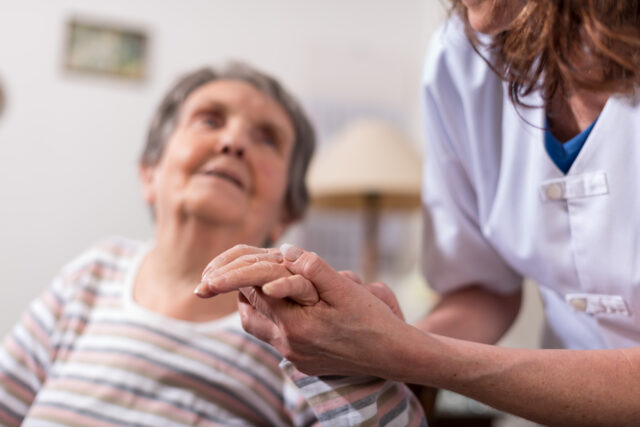
Types of Senior Monitoring Technologies
There is a wide range of monitoring technologies available, each with unique strengths. Understanding the differences can help you select the most appropriate option:
Wearable Devices
Wearables such as pendants, smartwatches, or clip-on sensors are popular for their portability and ease of use. Many offer fall detection, GPS tracking, and emergency call buttons. Some models can also monitor heart rate or detect inactivity, sending alerts if something seems off.
In-Home Sensors
Motion sensors, door alarms, and bed occupancy pads are discreet and effective for monitoring movement within the home. These devices can notify caregivers if a senior leaves the house unexpectedly or fails to get out of bed at their usual time. For more on tracking daily routines, see our guide on monitoring daily living activities.
Video and Audio Monitoring
Some families opt for video cameras or two-way audio systems to check in visually or communicate remotely. While these can be reassuring, it’s important to balance safety with privacy. Modern systems often include features like scheduled recording, privacy zones, or consent-based activation to address these concerns.
Smart Home Integration
Integrating monitoring with smart home technology can enhance both safety and convenience. For example, sensors can trigger lights to turn on if movement is detected at night, or send alerts if a stove is left on. Learn more about these possibilities in our overview of future smart homes for seniors.
Benefits of Using Safety Monitoring for Seniors
Adopting a comprehensive monitoring solution offers several advantages:
- Increased independence for seniors who wish to remain at home
- Peace of mind for families and caregivers
- Faster response to emergencies, reducing the risk of serious injury
- Insight into health trends, enabling proactive care
- Support for professional caregivers in assisted living or home care settings
For those concerned about privacy, it’s important to choose systems that prioritize data protection. Some providers, such as those highlighted in privacy-first elder care monitoring systems for safer assisted living, offer robust privacy controls and transparent data policies.
How to Choose the Right Monitoring Solution
When evaluating options for senior safety monitoring systems, consider the following factors:
- Level of independence: Is the person living alone, with family, or in assisted living?
- Health conditions: Do they have a history of falls, memory loss, or chronic illness?
- Comfort with technology: Are they open to wearables or prefer more passive solutions?
- Budget: Costs can vary widely depending on features and subscription services.
- Privacy preferences: Some may prefer non-camera solutions or systems with strong privacy controls.
It’s also wise to involve the senior in the decision-making process, ensuring they feel comfortable and respected. For those looking to enhance independence with technology, our article on smart assistance for elderly independence covers helpful gadgets and tips.
Integrating Monitoring with Broader Care Strategies
While technology plays a crucial role, it should complement—not replace—personal interaction and professional care. Regular check-ins, social engagement, and medical oversight remain essential. Monitoring systems can provide valuable data to support these efforts, helping caregivers tailor support to each individual’s needs.
For families, sharing access to monitoring data can foster collaboration and reduce caregiver stress. Many platforms allow multiple users, so siblings or professional aides can stay informed and respond quickly if needed.
Frequently Asked Questions
Are senior monitoring solutions difficult to install and use?
Most modern systems are designed for easy setup, often requiring only a smartphone app and a few wireless sensors. Many providers offer step-by-step guides or customer support to assist with installation. Some solutions may require professional installation, especially if integrating with existing smart home infrastructure.
How do these systems protect privacy?
Privacy is a top concern for many families. Look for solutions that offer customizable privacy settings, encrypted data transmission, and clear policies on who can access information. Some systems allow users to disable cameras or microphones, or to set up privacy zones within the home.
Can monitoring systems detect medical emergencies beyond falls?
Yes, some advanced solutions can monitor heart rate, detect inactivity, or identify changes in daily routines that may signal illness. These features can help catch issues early and prompt timely medical attention.
Do these systems work outside the home?
Wearable devices with GPS tracking can provide safety alerts when a senior is out and about. This is especially useful for those at risk of wandering or who enjoy independent outings. Always check the coverage and compatibility of the device before purchasing.
Is ongoing monitoring expensive?
Costs vary depending on the type of system and features included. Some require a one-time purchase, while others involve monthly subscriptions for emergency response or data analytics. Compare options to find a solution that fits your needs and budget.
Modern senior safety monitoring systems offer a practical way to enhance safety, support independence, and provide reassurance for families. By understanding the available technologies and choosing the right fit, you can help ensure a safer, more connected future for your loved ones.