

Advancements in technology are transforming how older adults maintain their health, independence, and safety. From wearable devices to smart home systems, the latest senior wellness technology trends are making it easier for seniors to stay active, connected, and secure in their daily lives. Whether living independently or with support, these innovations offer practical solutions for both seniors and caregivers, helping to address common challenges such as fall prevention, medication management, and social isolation.
As the population ages, the demand for accessible and user-friendly wellness tech continues to grow. This article explores the most impactful developments in the field, highlighting how digital tools and smart devices are enhancing quality of life for older adults. For those interested in a deeper dive into the latest gadgets, the guide on smart assistance for elderly independence provides additional insights into helpful products designed for senior living.

Wearable Devices and Health Monitoring
One of the most significant trends in senior wellness technology is the rise of wearable health devices. These gadgets, such as smartwatches and fitness trackers, go beyond step counting. They can monitor heart rate, track sleep patterns, detect irregular rhythms, and even alert caregivers in case of emergencies. For seniors managing chronic conditions, continuous health monitoring provides peace of mind and enables early intervention if issues arise.
Some advanced wearables are equipped with fall detection and GPS tracking, allowing loved ones or medical professionals to respond quickly if a senior is in distress. This is especially valuable for those at risk of falls or who may wander due to cognitive decline. Integration with smartphones and health apps makes it easy to share data with family members or healthcare providers, supporting proactive care and better health outcomes.
Smart Home Solutions for Independent Living
Home automation and smart home technologies are rapidly becoming essential for older adults who wish to age in place. Voice-activated assistants, smart lighting, automated thermostats, and security systems can all be tailored to support safety and comfort. For example, voice commands can control lights or call for help, reducing the risk of accidents in the home.
Smart sensors placed throughout the house can detect unusual activity, such as a lack of movement or doors opening at odd hours. These systems can send alerts to caregivers or family members, ensuring prompt assistance if something seems amiss. For a comprehensive overview of how digital tools are supporting older adults, the article on digital health tools for older adults offers practical recommendations and reviews.
Remote Care and Virtual Health Services
Telehealth and remote care platforms are now mainstream, offering seniors convenient access to medical consultations, therapy, and routine checkups from the comfort of home. Video calls, secure messaging, and remote monitoring tools help bridge the gap between patients and providers, reducing the need for in-person visits and minimizing exposure to illnesses.
Caregivers can also benefit from remote monitoring systems that track medication adherence, vital signs, and daily routines. These solutions allow families and professionals to support seniors from afar, making it easier to coordinate care and respond to changes in health status. For more on this topic, see the guide on remote caregiving technology solutions that outlines the latest innovations in virtual support.
Fall Detection and Prevention Technologies
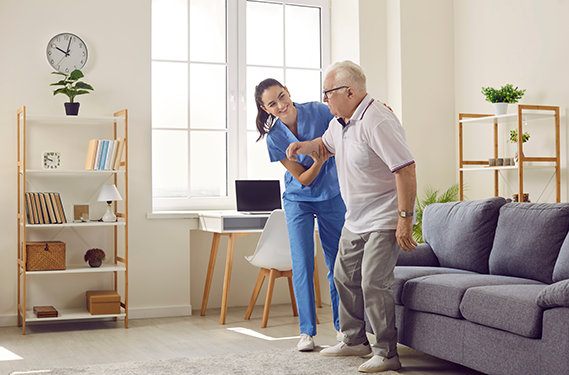
Falls are a leading cause of injury among older adults, making prevention a top priority. Modern wellness technology includes a range of devices designed to detect and prevent falls. These include motion sensors, pressure-sensitive mats, and AI-powered cameras that analyze walking patterns and alert caregivers to potential risks.
Some systems can even predict fall risks by monitoring changes in gait or balance over time. Early detection enables timely intervention, reducing the likelihood of serious injuries. For those interested in learning more about monitoring mobility, the article on walking pattern monitoring for seniors provides detailed information on available solutions.
Medication Management and Reminders
Staying on top of medications can be challenging, especially for those taking multiple prescriptions. Technology now offers a variety of solutions, from smart pill dispensers to reminder apps that notify users when it’s time to take their medicine. These systems can alert both the senior and their caregiver if a dose is missed, helping to prevent health complications caused by skipped or incorrect medications.
Some devices can be programmed to dispense the correct dosage at scheduled times, reducing the risk of errors. Integration with mobile apps allows for easy tracking and reporting, making it simpler for healthcare providers to monitor adherence and adjust treatment plans as needed.
Social Connection and Engagement Tools
Isolation and loneliness are common concerns among older adults, but technology is helping to bridge the gap. Video calling platforms, online communities, and virtual activity programs enable seniors to stay in touch with friends, family, and peers. These tools support mental and emotional well-being, which is just as important as physical health.
Some wellness platforms offer group exercise classes, educational workshops, and hobby groups tailored for older adults. By fostering social interaction and engagement, these solutions help seniors remain active participants in their communities.
Emerging Innovations in Senior Wellness Technology
Looking ahead, artificial intelligence and machine learning are set to play a bigger role in senior care. Predictive analytics can identify health risks before they become serious, while voice-activated devices are becoming more intuitive and accessible. Robotics, smart mobility aids, and virtual reality experiences are also gaining traction, offering new ways to support independence and enrich daily life.
For a broader perspective on how technology is reshaping elder care, the article on digital transformation in senior care explores the latest trends and future directions in the industry.
Choosing the Right Solutions for Your Needs
With so many options available, selecting the best wellness technology can feel overwhelming. It’s important to consider the specific needs, preferences, and abilities of the senior in question. Look for devices that are easy to use, offer reliable support, and can be integrated with existing routines. Consulting with healthcare professionals or technology experts can help identify the most suitable products and ensure a smooth transition.
For additional guidance on how technology can improve home care, this overview of technology’s impact on senior home care provides helpful tips and real-world examples.
FAQ: Senior Wellness Technology
What are the most popular types of wellness technology for seniors?
Popular options include wearable health trackers, smart home devices, medication management systems, and telehealth platforms. These tools help monitor health, enhance safety, and support daily living activities.
How can technology help prevent falls among older adults?
Devices such as motion sensors, pressure mats, and AI-powered cameras can detect unusual movement or changes in walking patterns, alerting caregivers to potential risks and enabling early intervention to prevent falls.
Are wellness technologies easy for seniors to use?
Many modern devices are designed with user-friendly interfaces, large buttons, and voice controls. It’s important to choose products that match the user’s comfort level with technology and provide adequate support or training if needed.