

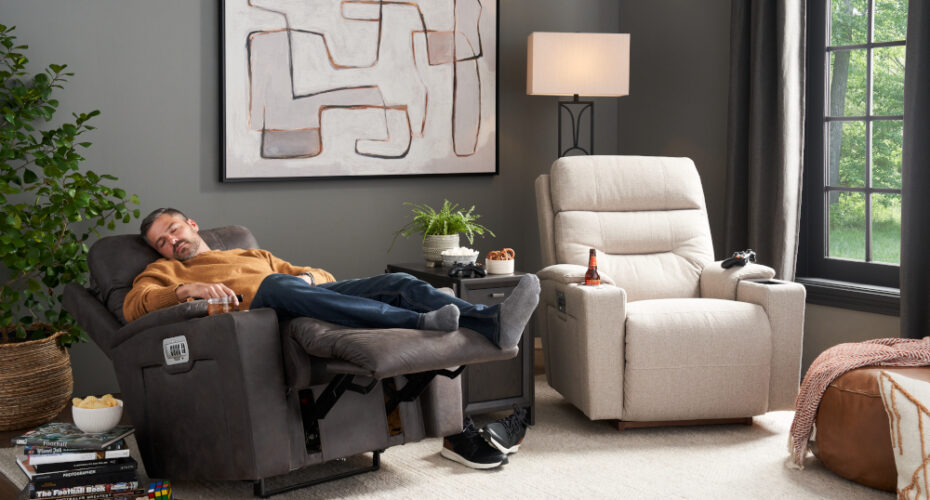
Maintaining a recliner chair is essential for seniors who rely on comfort and support throughout the day. Over time, these chairs can accumulate dust, stains, and allergens, which may affect both hygiene and longevity. Using the right tips for deep cleaning a recliner ensures the chair remains fresh, safe, and inviting for daily use.
Whether the recliner is fabric, leather, or a specialty lift chair, a thorough cleaning routine can make a noticeable difference. In this article, you’ll find practical advice on how to tackle stubborn dirt, remove odors, and keep every part of the chair in top condition. For those interested in additional ergonomic benefits, you may also want to explore the benefits of a high backrest for seniors to further enhance comfort and support.
Why Deep Cleaning Matters for Senior Recliners
Chairs used by older adults often see daily use, making them prone to spills, crumbs, and dust. Deep cleaning not only improves appearance but also helps reduce allergens and bacteria that can impact health. For seniors with sensitive skin or respiratory issues, a clean recliner is especially important.
Regular maintenance also extends the lifespan of the chair, preserving both its function and comfort. Deep cleaning is more than just a quick wipe-down; it involves reaching hidden areas and using the right products for the material.
1. Preparing the Recliner for a Thorough Clean
Before diving into the cleaning process, preparation is key. Start by unplugging the chair if it’s electric or has lift features. Remove cushions, pillows, and any removable covers. Use a handheld vacuum or upholstery attachment to remove loose debris, crumbs, and dust from all surfaces, including under the seat and in crevices.
Check the manufacturer’s care tag for cleaning instructions. Some recliners have specific requirements for fabric, leather, or synthetic materials. Following these guidelines helps prevent accidental damage and ensures the best results.
2. Choosing Safe Cleaning Products and Tools
Using the right cleaning solutions is crucial, especially for seniors who may be sensitive to harsh chemicals. For most recliners, a mild detergent mixed with warm water is sufficient for spot cleaning. Avoid bleach or ammonia-based products, as they can damage upholstery and irritate skin or lungs.
Essential tools for deep cleaning include:
- Soft-bristled brush for loosening dirt
- Microfiber cloths for gentle wiping
- Vacuum with upholstery attachment
- Spray bottle for diluted cleaning solutions
- Leather conditioner (for leather recliners)
Test any new cleaner on a hidden area first to check for discoloration or damage.

3. Tackling Stains and Odors Effectively
Stains are common on recliners, especially when used for eating or drinking. For fabric chairs, blot spills immediately with a clean cloth. Avoid rubbing, as this can push the stain deeper. For persistent spots, use a mixture of mild soap and water, gently working it into the fabric with a soft brush, then blotting dry.
For leather recliners, use a damp cloth and a small amount of leather cleaner. Wipe gently and finish with a leather conditioner to keep the material supple. Avoid soaking the leather, as excess moisture can cause damage.
To neutralize odors, sprinkle baking soda over the upholstery and let it sit for 15–30 minutes before vacuuming. This simple step helps absorb smells from pets, food, or everyday use.
4. Cleaning Hard-to-Reach Areas and Mechanisms
Deep cleaning isn’t complete without addressing the hidden parts of the chair. Recliners often have moving parts and tight spaces where dust and debris accumulate. Extend the footrest and gently vacuum underneath and around the mechanisms. Use a soft brush or compressed air to dislodge dirt from hinges and joints.
For electric or lift chairs, inspect the motor and wiring for dust buildup. Wipe down plastic or metal components with a damp cloth. Avoid getting electrical parts wet. If you encounter mechanical issues, such as a stuck footrest, refer to this helpful guide on how to fix a recliner footrest that won’t close.

5. Establishing a Maintenance Routine
Once your recliner is thoroughly cleaned, regular upkeep will help maintain its condition. Vacuum the chair weekly to prevent dust buildup. Wipe down surfaces with a damp microfiber cloth, and address spills as soon as they occur. For fabric recliners, consider using a fabric protector spray to repel stains. Leather chairs benefit from conditioning every few months.
Encourage seniors and caregivers to inspect the chair regularly for signs of wear, loose screws, or mechanical issues. Prompt attention to small problems can prevent larger repairs later on. For those living in smaller spaces, you may want to read about how to choose a recliner for a small apartment to find models that are easier to clean and maintain.
Extra Considerations for Senior Comfort and Safety
When deep cleaning, always use non-toxic products and avoid strong fragrances that may irritate sensitive individuals. Make sure all surfaces are dry before use to prevent slips. If the recliner has a lift function, double-check that the mechanism operates smoothly after cleaning.
For additional comfort, consider the benefits of adjustable lumbar support in senior chairs. This feature can improve posture and reduce back pain, making the chair even more enjoyable after a deep clean.
Understanding the Importance of Specialized Recliners for Seniors
Specialized recliners, such as lift chairs, offer more than just comfort—they can improve mobility and independence for older adults. For a comprehensive overview of their advantages, see this detailed guide on the benefits of lift chairs and recliners for seniors and people with disabilities. Keeping these chairs clean ensures they remain a safe and supportive part of daily life.
Frequently Asked Questions
How often should a recliner used by seniors be deep cleaned?
For optimal hygiene, deep cleaning should be performed every three to six months, depending on usage. Spot cleaning and vacuuming should be done weekly to prevent buildup of dust and debris.
What is the safest way to clean a recliner for someone with allergies?
Use fragrance-free, non-toxic cleaning products and vacuum with a HEPA filter to remove allergens. Baking soda can help neutralize odors without introducing harsh chemicals.
Can I use a steam cleaner on a recliner?
Steam cleaning is suitable for some fabric recliners but not for leather or chairs with electronic components. Always check the manufacturer’s instructions before using steam, and avoid saturating the material.
Conclusion
Following these tips for deep cleaning a recliner helps maintain a safe, comfortable, and hygienic environment for seniors. With regular attention and the right techniques, a favorite chair can continue providing support and relaxation for years to come. For those seeking more information on space-saving options, explore what is a space-saver recliner to find models that fit any room size.