

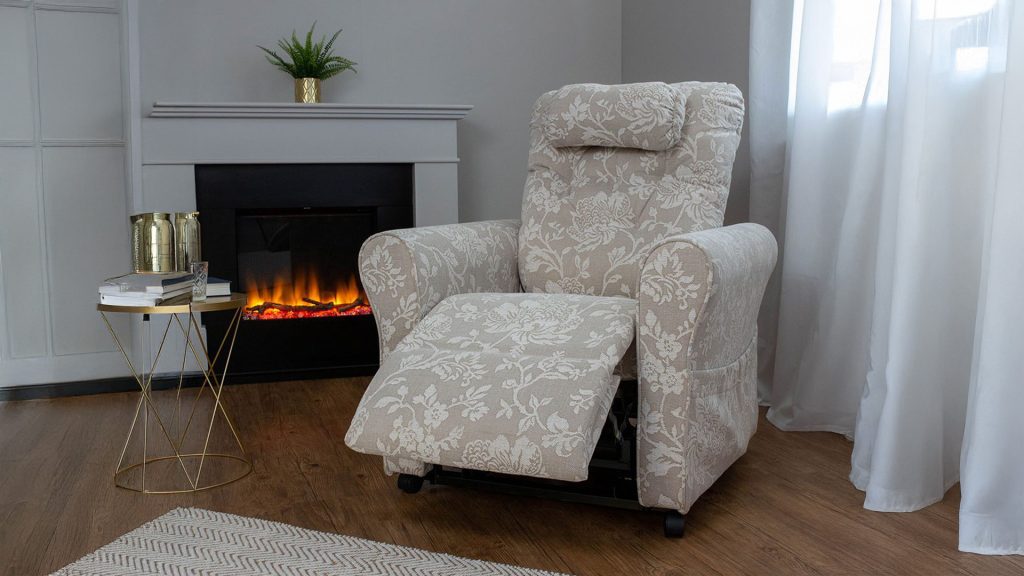
As mobility needs change with age, finding the right seating solution can make a significant difference in daily comfort and independence. Bariatric lift chairs are specially designed recliners that provide enhanced support, stability, and ease of use for older adults who require a higher weight capacity or extra room. These chairs are more than just oversized recliners—they offer tailored features that address the unique needs of individuals seeking both comfort and assistance when sitting or standing.
Understanding the key differences between standard and bariatric models is crucial for anyone considering a lift chair for themselves or a loved one. In this guide, we’ll explore how these chairs work, what makes them suitable for seniors, and how to choose the right size and support features. If you’re also interested in accessible technology, you might want to check out voice controlled tablets for seniors, which can further enhance independence at home.
Understanding Bariatric Lift Chairs: Features and Benefits
Bariatric lift chairs are engineered to accommodate users who need extra support due to higher weight or larger body frames. Unlike standard lift recliners, these chairs are built with reinforced frames, wider seats, and more robust lifting mechanisms. The primary goal is to provide a safe and comfortable way for seniors to transition between sitting and standing, reducing the risk of falls and minimizing strain on joints and muscles.
- Higher Weight Capacity: Most bariatric models support 350 to 700 pounds or more, compared to the typical 250–300 pounds of standard chairs.
- Wider Seat Dimensions: The seat width and depth are increased to offer ample space and prevent discomfort or pressure points.
- Power Lift Mechanism: A motorized system gently tilts the chair forward, assisting users to stand up or sit down with minimal effort.
- Durable Upholstery and Padding: Heavy-duty fabrics and high-density foam cushions provide lasting comfort and resist wear.
- Customizable Recline Positions: Many models offer multiple recline settings, including zero-gravity and full recline, to support various needs such as napping, reading, or watching TV.
For seniors with limited mobility, these features can greatly enhance daily living by promoting independence and reducing caregiver strain.
Who Should Consider a Bariatric Lift Chair?
Choosing the right seating is important for both comfort and safety. Bariatric lift chairs are especially beneficial for:
- Older adults who weigh above the standard chair limit
- Individuals with arthritis, joint pain, or muscle weakness
- People recovering from surgery or injury who need extra support
- Anyone who finds it difficult to stand up from a seated position
These chairs are also suitable for those who spend extended periods sitting and require additional space to shift positions comfortably. The extra width and reinforced structure help prevent pressure sores and make repositioning easier.

Key Considerations for Size and Support
When selecting a bariatric lift chair, it’s important to look beyond just weight capacity. The right fit ensures both safety and comfort. Here are some factors to keep in mind:
- Seat Width and Depth: Measure the user’s hip width and thigh length to ensure the chair provides enough space without being too large.
- Backrest Height: The backrest should support the head and neck, especially for taller individuals.
- Armrest Height: Proper armrest positioning helps with balance and ease of standing.
- Floor-to-Seat Height: The user’s feet should rest flat on the floor when seated, with knees at a comfortable angle.
- Lifting Power: Check that the lift mechanism is rated for the intended user’s weight and operates smoothly.
Some chairs offer additional features like heat, massage, or USB charging ports, which can further enhance comfort and convenience. However, the core focus should always be on structural integrity and ergonomic support.
Comparing Bariatric and Standard Lift Chairs
While both types of lift chairs assist with sitting and standing, bariatric models are specifically designed for higher weight limits and larger body sizes. Here’s a quick comparison:
| Feature | Standard Lift Chair | Bariatric Lift Chair |
|---|---|---|
| Weight Capacity | Up to 300 lbs | 350–700+ lbs |
| Seat Width | 18–22 inches | 24–30+ inches |
| Frame Construction | Standard steel/wood | Reinforced steel/metal |
| Lift Mechanism | Single motor | Dual or heavy-duty motors |
| Target User | Average adult | Larger/taller individuals |
For those who need a chair that offers more space and a higher weight rating, bariatric models are the safer and more comfortable choice.

Additional Benefits for Senior Wellbeing
Beyond physical support, these chairs can contribute to overall wellbeing. Features like power recline, heat, and massage can help relieve pain and promote relaxation. For those living in care homes or with limited mobility, a recliner can improve quality of life by making daily activities easier and more comfortable.
Some seniors may also benefit from integrating other accessible devices, such as easy to use smartphones for seniors or large button cell phones, to further support independence at home.
How to Choose the Right Bariatric Lift Chair
When shopping for a bariatric lift chair, consider the following steps:
- Assess Needs: Determine the required weight capacity, seat size, and any additional features (like heat or massage).
- Measure the Space: Ensure the chair fits comfortably in the intended room, allowing for full recline and lift motion.
- Test Comfort: If possible, try out different models to find the best fit for body shape and personal preferences.
- Check Warranty and Support: Look for reputable brands that offer strong warranties and responsive customer service.
- Read Reviews: User feedback can provide valuable insights into long-term durability and ease of use.
Consulting with a healthcare provider or occupational therapist can also help ensure the chair meets specific medical or mobility needs.
Frequently Asked Questions
What makes a lift chair “bariatric” compared to standard models?
A bariatric lift chair is specifically designed with a reinforced frame, wider seat, and higher weight capacity to accommodate larger or heavier users. These features provide extra stability and comfort that standard models may not offer.
How do I know what size bariatric chair is right for me?
Measure your hip width, thigh length, and back height to ensure the chair will fit your body comfortably. The seat should be wide enough to sit without feeling cramped, and your feet should rest flat on the floor when seated.
Are bariatric lift chairs covered by insurance or Medicare?
Coverage varies by provider and policy. Some insurance plans or Medicare may cover part of the cost if the chair is deemed medically necessary. It’s best to consult with your healthcare provider and insurance company for specific eligibility requirements.
Can bariatric lift chairs be used by people of average size?
Yes, but the extra width and reinforced structure may not be necessary for everyone. Standard lift chairs are typically more suitable for those within average weight and size ranges, while bariatric models are ideal for those who need additional support.
What other assistive devices can help seniors stay independent?
In addition to lift chairs, devices like easy tablets for beginners and phones with emergency SOS button can help seniors stay connected and safe at home.
Choosing the right bariatric lift chair can make a significant difference in comfort, safety, and independence for seniors. By focusing on size, support, and individual needs, it’s possible to find a solution that enhances daily living and peace of mind.