

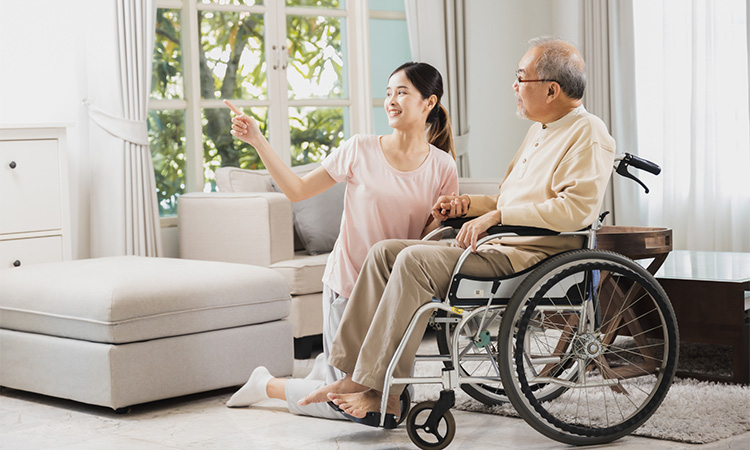
Choosing the right living arrangement for older adults is a significant decision that impacts quality of life, safety, and independence. Assisted living communities offer a blend of housing, personalized support, and healthcare, allowing seniors to enjoy a secure and engaging environment while receiving the help they need. These options are designed to bridge the gap between independent living and more intensive care, providing a balance of autonomy and assistance.
Today’s senior care landscape includes a variety of supportive solutions, from residential communities to in-home services. Understanding the features, benefits, and considerations of each can help families make informed choices that promote dignity and well-being. For those interested in technology that enhances independence, resources like voice controlled tablets can further support daily living.
What Is Assisted Living and Who Benefits?
Assisted living refers to a residential option for seniors who need help with daily activities but do not require the round-the-clock medical care of a nursing facility. Residents typically receive support with tasks such as bathing, dressing, medication management, and meal preparation, while enjoying social opportunities and amenities.
This model is ideal for older adults who value independence but may face mobility challenges, mild cognitive decline, or chronic health conditions. It’s also a solution for families seeking peace of mind, knowing their loved ones are in a secure and nurturing environment.
Key Features of Supportive Senior Living Communities
Modern communities focused on senior care offer a range of services and amenities tailored to individual needs. Here are some common features:
- Personalized care plans that adapt as residents’ needs change
- 24-hour staff availability for assistance and emergencies
- Nutritious meals served in communal dining rooms
- Housekeeping, laundry, and maintenance services
- Social, recreational, and wellness programs
- Transportation for appointments and outings
- Secure, accessible environments designed to prevent falls and injuries
Some communities also offer memory care units for those with dementia or Alzheimer’s, ensuring specialized support in a safe setting.
Comparing Assisted Living With Other Senior Care Choices
It’s important to distinguish assisted living from other care models:
| Type | Level of Care | Best For |
|---|---|---|
| Independent Living | Minimal support, focus on social activities | Active seniors needing little to no daily help |
| Assisted Living | Help with daily activities, some medical oversight | Older adults needing moderate support |
| Memory Care | Specialized for dementia/Alzheimer’s | Individuals with memory impairment |
| Nursing Home | 24/7 skilled nursing and medical care | Those with complex medical needs |
| In-Home Care | Personalized assistance at home | Seniors wishing to remain at home with support |
Each option has unique benefits and limitations. For example, in-home care allows seniors to stay in familiar surroundings, while residential communities provide built-in socialization and safety features.
How to Choose the Right Supportive Living Arrangement
Selecting the best environment for a loved one involves several considerations:
- Level of independence: Assess how much help is needed with daily activities
- Medical needs: Consider chronic conditions, medication management, and mobility
- Social preferences: Look for opportunities for engagement and community involvement
- Location: Proximity to family, friends, and healthcare providers
- Budget: Compare costs, payment options, and what’s included in monthly fees
Visiting communities, talking to staff and residents, and reviewing care plans can provide valuable insight. For those interested in technology that supports independence, options like easy to use smartphones for seniors can be a helpful addition to daily routines.
Enhancing Safety and Comfort in Senior Living
Safety is a top priority for families considering supportive housing. Modern communities and in-home care providers implement features such as:
- Grab bars and non-slip flooring in bathrooms
- Emergency call systems and 24/7 monitoring
- Secure entryways and well-lit common areas
- Mobility aids and accessible design
For those managing mobility challenges at home, resources like the caregiver guide for mobility problems offer practical tips for creating a safer environment.
Technology and Devices That Support Senior Independence
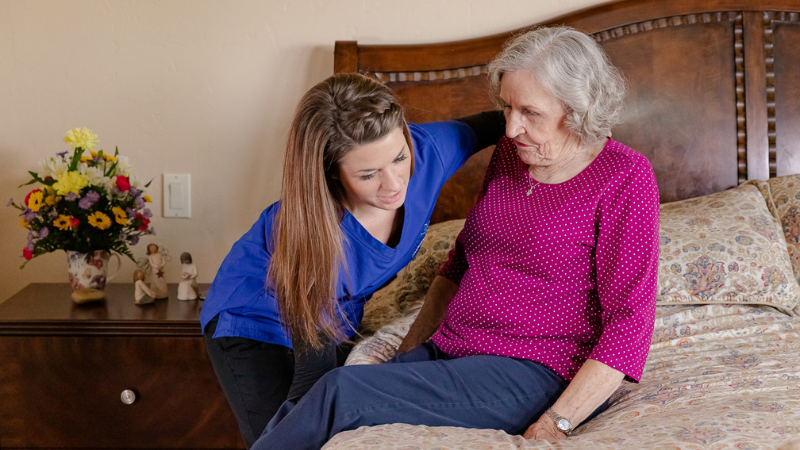
Modern devices can further enhance comfort and safety for older adults. Motion sensor night lights help prevent falls during nighttime trips, while bed exit alarms alert caregivers if a resident leaves their bed unexpectedly. These tools, along with accessible communication devices, empower seniors to maintain autonomy and stay connected.
For those seeking simple technology, easy tablets for beginners and large button cell phones are practical solutions that support communication and emergency preparedness.
Social and Emotional Benefits of Supportive Communities
Beyond physical care, supportive living arrangements foster a sense of belonging and purpose. Residents benefit from:
- Group activities and outings
- Opportunities for new friendships
- Access to wellness and fitness programs
- Emotional support from staff and peers
Staying socially engaged can help reduce feelings of isolation, boost mood, and support cognitive health. Communities often provide a calendar of events, volunteer opportunities, and spaces for hobbies and relaxation.
Frequently Asked Questions
What services are typically included in assisted living communities?
Most communities offer help with daily activities (such as bathing, dressing, and medication reminders), housekeeping, laundry, meals, transportation, and recreational programs. Some also provide on-site healthcare and therapy services.
How do I know if my loved one needs more support than independent living provides?
If an older adult struggles with personal care, medication management, or mobility, or if safety at home is a concern, a more supportive environment may be appropriate. Consulting with healthcare professionals and touring communities can help clarify the best fit.
Are there ways to make in-home care as safe as assisted living?
Yes, by installing safety features like grab bars, motion sensor lights, and emergency alert systems, and by arranging regular check-ins or professional caregiving services, families can create a secure home environment. For more tips, refer to expert resources and guides on senior mobility and safety.