

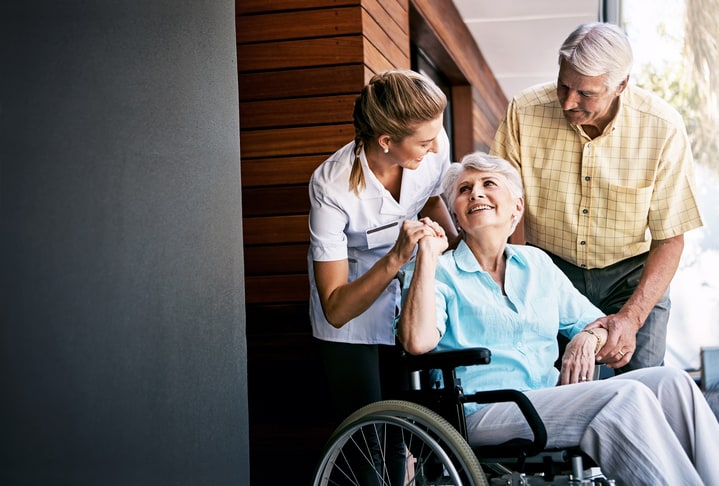
As populations age worldwide, ensuring the safety and well-being of older adults is becoming a top priority for families, caregivers, and healthcare providers. AI in elderly care monitoring is rapidly transforming how seniors are supported, both at home and in assisted living environments. By leveraging artificial intelligence, care systems can now offer real-time alerts, personalized health insights, and proactive interventions—helping seniors maintain independence while giving families peace of mind.
This article explores the latest advancements in intelligent monitoring for seniors, practical applications of AI-powered solutions, and what these changes mean for the future of senior care. If you’re interested in other ways technology supports older adults, you might also find our guide on smart assistance for elderly independence helpful.
How Artificial Intelligence Is Changing Senior Safety
The integration of artificial intelligence into care systems is revolutionizing how older adults are monitored and supported. Traditional monitoring relied on manual checks or basic alarms, but today’s AI-driven platforms can analyze data from multiple sources—such as motion sensors, wearables, and smart home devices—to detect subtle changes in behavior or health status.
These systems use machine learning algorithms to recognize patterns, identify potential risks, and send alerts to caregivers or family members in real time. For example, if a senior’s walking pattern changes, an AI system might flag a potential fall risk, prompting timely intervention. This proactive approach helps prevent accidents and enables more personalized care.
Key Benefits of AI-Powered Monitoring for Older Adults
Adopting AI in elderly care monitoring offers several important advantages:
- Early Detection of Health Issues: AI systems can spot deviations in daily routines, sleep patterns, or mobility, often before symptoms become obvious. Early alerts allow for faster medical response and better outcomes.
- Enhanced Fall Prevention: By continuously analyzing movement data, AI can identify irregular gait or balance issues, reducing the likelihood of falls—a leading cause of injury among seniors.
- 24/7 Peace of Mind: Unlike human caregivers who need rest, AI-powered monitoring operates around the clock, ensuring continuous oversight and immediate alerts if something seems wrong.
- Personalized Care Plans: Data collected by AI can be used to tailor care strategies to each individual’s needs, improving quality of life and reducing unnecessary interventions.
- Reduced Caregiver Burden: Automated monitoring allows family members and professional caregivers to focus on meaningful interactions, knowing that technology is handling routine safety checks.
Popular Applications and Devices in AI-Driven Senior Monitoring
A wide range of products and platforms now incorporate artificial intelligence to support elderly safety. Some of the most common include:
- Wearable Devices: Smartwatches and pendants equipped with fall detection, heart rate monitoring, and emergency buttons.
- Smart Home Sensors: Motion detectors, door sensors, and bed occupancy monitors that track movement and alert caregivers to unusual activity.
- Remote Health Monitoring: Systems that collect vital signs and send data to healthcare professionals for ongoing assessment.
- Voice Assistants: AI-powered devices that can remind seniors to take medication, answer questions, or call for help.
For those interested in practical solutions, our article on digital health tools for older adults covers more ways technology is making a difference.
How AI Improves Fall Detection and Prevention
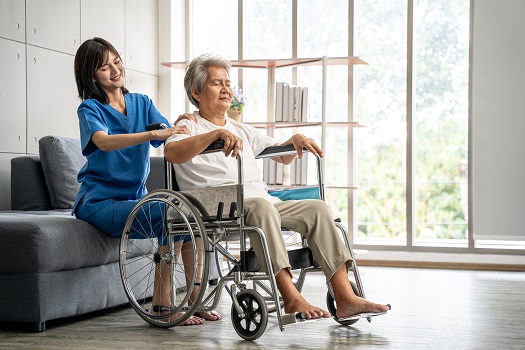
Falls are a leading cause of injury and hospitalization among older adults. AI-based monitoring systems are making significant strides in reducing these risks. By analyzing data from motion sensors and wearable devices, AI can detect unusual movements or sudden changes in walking patterns—often before a fall occurs.
For example, systems that monitor walking pattern monitoring for seniors use machine learning to identify subtle shifts in gait or balance. When a potential risk is detected, caregivers receive instant alerts, allowing them to intervene quickly. This technology not only helps prevent accidents but also supports rehabilitation and ongoing mobility assessments.
Remote Monitoring and Family Involvement
One of the most valuable aspects of AI in elderly care monitoring is its ability to keep families connected and informed, even from a distance. Remote monitoring platforms allow family members to check in on their loved ones’ activity, receive notifications about unusual events, and collaborate with professional caregivers.
If you’re looking for practical advice on supporting aging parents from afar, our resource on how to monitor aging parents remotely provides useful tips and tools.
Challenges and Considerations for AI in Senior Care
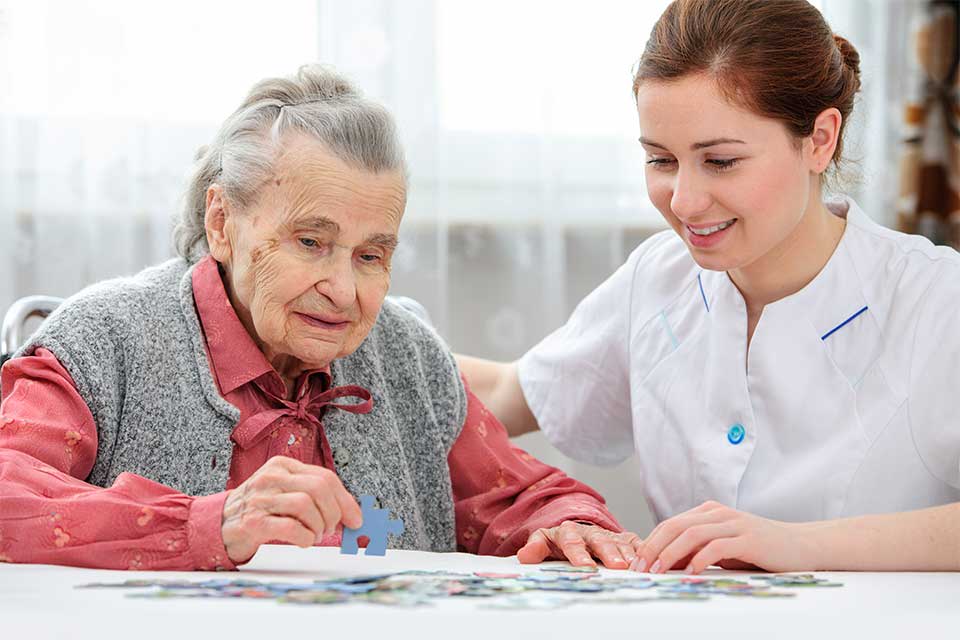
While the benefits of AI-driven monitoring are clear, there are important considerations to address. Privacy and data security are top concerns, as sensitive health information is collected and transmitted. Ensuring that systems comply with regulations and protect user data is essential.
Additionally, technology adoption can be challenging for some seniors. User-friendly interfaces, clear instructions, and ongoing support are crucial for successful implementation. It’s also important to balance automation with human touch—AI should enhance, not replace, personal care and social interaction.
What the Future Holds for Intelligent Elderly Care
The future of senior safety is closely tied to ongoing advancements in artificial intelligence. As algorithms become more sophisticated and devices more integrated, we can expect even greater personalization and predictive capabilities. AI may soon be able to anticipate health issues before they arise, coordinate care across multiple providers, and support seniors in living independently for longer.
For a deeper dive into the evolving landscape of senior technology, see our overview of digital transformation in senior care.
Recent research, such as findings published in this comprehensive review of AI-based elderly monitoring systems, highlights the growing evidence for improved outcomes and the need for continued innovation.
FAQ: AI and Senior Safety
How does AI detect emergencies in elderly care?
AI systems analyze data from sensors, wearables, and smart devices to identify unusual patterns or sudden changes in activity. If an emergency—such as a fall or medical issue—is detected, the system sends instant alerts to caregivers or family members for immediate response.
Are AI-powered monitoring devices difficult for seniors to use?
Most modern devices are designed with simplicity in mind, featuring easy setup and intuitive interfaces. Many operate automatically in the background, requiring little to no interaction from the senior. Support and training can help ensure a smooth experience.
Is personal data safe with AI-based monitoring solutions?
Reputable AI monitoring platforms use encryption and follow strict privacy standards to protect sensitive health information. It’s important to choose solutions that comply with relevant regulations and to review privacy policies before adoption.