


As families become more spread out and busy schedules make frequent visits difficult, many adults are searching for how to monitor aging parents remotely. Ensuring the safety, health, and well-being of elderly loved ones from a distance can feel overwhelming, but advances in technology and thoughtful planning make it much more manageable. Whether your parents live alone, with a partner, or in a care facility, there are practical ways to stay connected and provide support—even when you can’t be there in person.
This guide covers five straightforward strategies for keeping a watchful eye on older family members from afar. We’ll discuss useful devices, communication routines, and how to balance independence with peace of mind. If you’re also interested in making daily life easier for seniors, check out easy entertainment gadgets for seniors for more ideas.
Why Remote Monitoring for Elderly Loved Ones Matters
Staying informed about your parents’ well-being is crucial as they age, especially if they live alone or have health concerns. Remote monitoring provides reassurance that help is available if needed, while also respecting their autonomy. It can also help you detect changes in routine, mobility, or mood that might signal a need for intervention.
Modern solutions go far beyond simple phone calls. From smart sensors to video check-ins, families now have a range of options to fit different needs and comfort levels. The right approach depends on your parents’ preferences, health status, and your own peace of mind.
1. Use Smart Home Devices for Safety and Alerts
One of the most effective ways to keep tabs on elderly parents is by installing smart home technology. Devices such as motion sensors, door alarms, and smart cameras can provide real-time updates and notifications if something seems out of the ordinary. For example, a bed alarm can alert you if your parent gets up at night and doesn’t return after a certain period, which could indicate a fall or confusion.
Wireless motion alarms are another practical tool. They can notify you if your parent leaves the house unexpectedly or enters areas that might be unsafe. These systems are often easy to set up and can be monitored via smartphone apps, making them accessible even for those who aren’t tech-savvy.
If you need help getting started, you might find this guide on how to set up smart devices for elderly parents useful. It covers step-by-step instructions for choosing and installing the right equipment.
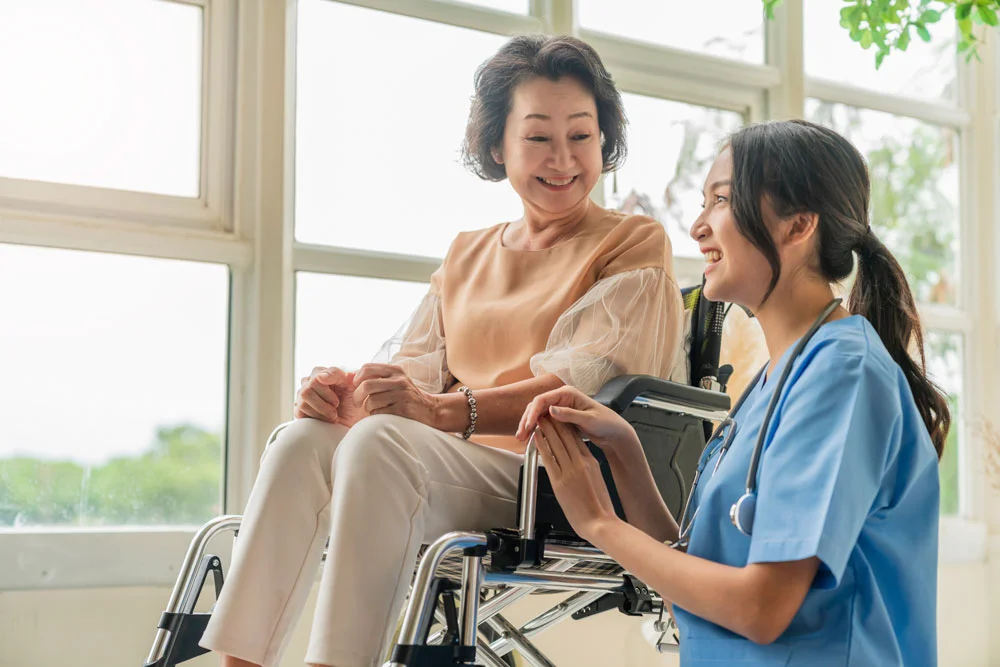
2. Set Up Regular Video Calls and Check-Ins
Consistent communication is a simple yet powerful way to ensure your parents are doing well. Video calls allow you to see their environment, notice changes in appearance, and pick up on nonverbal cues that might not come across in a phone conversation. Scheduling daily or weekly check-ins creates a routine and gives both you and your parents something to look forward to.
Many seniors become comfortable with video chat platforms like Zoom, FaceTime, or Skype, especially if you help them get started. For those who struggle with technology, consider devices designed specifically for older adults, such as simplified tablets or smart displays with voice-activated calling features.
Frequent contact also helps reduce feelings of isolation and keeps you informed about any new challenges or needs that arise.
3. Leverage Health Monitoring Tools
Health tracking devices can be a valuable part of remote monitoring for seniors. Wearable gadgets like smartwatches, fitness trackers, or medical alert bracelets can monitor heart rate, activity levels, medication reminders, and even detect falls. Some systems automatically send alerts to family members or emergency contacts if a problem is detected.
Encouraging your parents to use these tools can help you spot early warning signs of illness or mobility issues. Many health monitoring devices sync with mobile apps, allowing you to review data and trends over time. This information can also be shared with healthcare providers for more informed care decisions.
For additional ideas on helpful technology, see this list of best tech gifts for seniors that make daily life safer and more enjoyable.
4. Coordinate with Local Support Networks
Technology is helpful, but having people nearby who can check in on your parents adds another layer of reassurance. Reach out to neighbors, friends, or community organizations who can visit, deliver groceries, or provide transportation when needed. Many areas have volunteer groups or senior services that offer regular wellness checks.
Building a local support network ensures someone can respond quickly in case of emergencies or if you notice something unusual through your remote monitoring tools. It also helps your parents stay socially engaged and connected to their community.
Encourage your parents to participate in local activities or clubs, which can boost their mood and provide additional oversight. For those interested in staying active, easy fitness equipment with digital tracking can help them maintain mobility and independence.
5. Stay Informed About Technology and Privacy
As you explore options for monitoring elderly parents from a distance, it’s important to stay up to date on the latest devices and privacy considerations. Discuss any monitoring plans openly with your parents to ensure they feel comfortable and respected. Explain how each tool works and what information is shared, so there are no surprises.
Look for products designed with seniors in mind, prioritizing simplicity, reliability, and clear privacy policies. For a deeper look at how technology is transforming care for older adults, read this article on how technology improves senior home care.
Review your setup regularly to make sure it still meets your family’s needs and adjust as your parents’ situation changes.
Balancing Independence and Peace of Mind
Finding the right balance between safety and independence is key when supporting aging parents from afar. The goal is to empower them to live confidently while providing you with reassurance. By combining smart devices, regular communication, health monitoring, and local support, you can create a comprehensive plan that adapts as needs evolve.
Remember to check in with your parents about how they’re feeling about the monitoring tools and routines. Their feedback will help you fine-tune your approach and maintain trust. With the right strategy, you can stay connected and supportive—no matter the distance.
Frequently Asked Questions
What are the best devices for remote monitoring of elderly parents?
Popular options include smart home sensors, bed alarms, wearable health trackers, and video calling devices. Look for products that are easy to use and offer real-time alerts. Devices like wireless motion alarms and medical alert systems are especially helpful for fall detection and emergency response.
How can I respect my parents’ privacy while monitoring them?
Open communication is essential. Always discuss any monitoring tools with your parents before installing them. Choose devices that focus on safety rather than constant surveillance, and make sure your parents understand what information is being collected and why.
What should I do if I notice changes in my parent’s behavior or routine?
If you observe unusual patterns—such as missed medications, changes in sleep, or reduced activity—reach out to your parent to check in. If concerns persist, consider involving their healthcare provider or a local support network to ensure their safety and well-being.
Conclusion
Supporting elderly loved ones from a distance is easier than ever with the right mix of technology, communication, and community resources. By following these five tips for how to monitor aging parents remotely, you can help your parents maintain their independence while ensuring they have the support they need. Stay proactive, keep the conversation open, and adjust your approach as circumstances change—your care and attention will make a meaningful difference in their lives.