

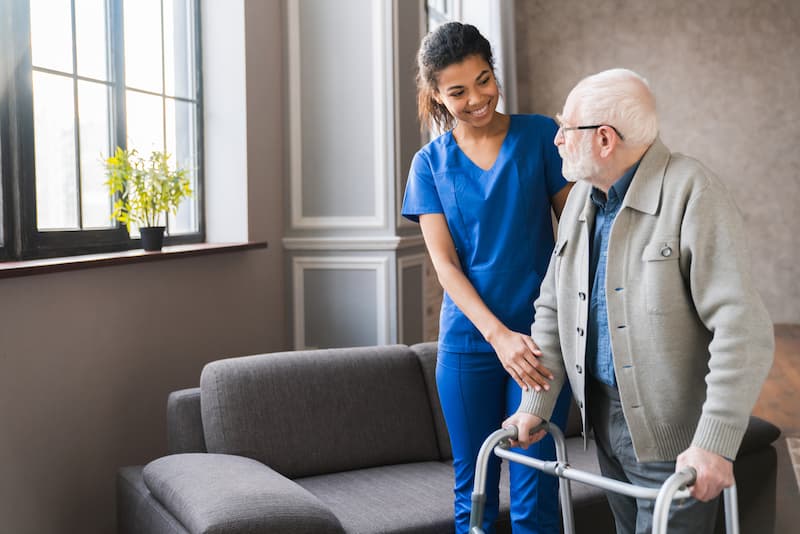
As people age, safety and independence become top priorities. Many families and caregivers are searching for ways to support older adults at home without making them feel uncomfortable or overwhelmed. Non wearable monitoring for seniors is a growing solution that offers discreet, effective oversight without the need for devices to be worn on the body. These systems use smart sensors and technology to help keep loved ones safe, while respecting their dignity and privacy.
Unlike traditional medical alert pendants or wristbands, these monitoring options work in the background. They can detect movement, falls, or changes in daily routines, sending alerts to caregivers if something seems off. This approach is especially helpful for seniors who may forget to wear or charge a device, or who simply prefer not to have something attached to them all day.
If you’re also interested in making life easier and more enjoyable for older adults, you might want to explore easy entertainment gadgets for seniors that can complement a safe and connected home environment.
How Non-Contact Monitoring Systems Work
Non wearable monitoring for seniors relies on a variety of technologies that do not require any physical contact with the person being monitored. These systems typically use sensors placed in strategic locations throughout the home. Here’s how they function:
- Motion Sensors: Detect movement in rooms, hallways, or near doors to track activity and alert caregivers if there’s a lack of movement or unexpected activity.
- Bed and Chair Sensors: Monitor when someone gets up or sits down, helping to prevent falls or wandering.
- Door and Window Sensors: Alert caregivers if an exterior door or window is opened at unusual times, which can be crucial for seniors with dementia.
- Environmental Sensors: Monitor temperature, smoke, or carbon monoxide to ensure the living space remains safe.
These devices are usually connected to a central hub or app, allowing family members or professional caregivers to receive real-time updates and notifications.
Key Benefits of Non-Wearable Solutions
There are several reasons why families and care providers are turning to non wearable monitoring for seniors:
- Comfort and Dignity: No need to remember to wear a device or deal with uncomfortable straps or pendants.
- Discreet Monitoring: Seniors can go about their day without feeling watched or burdened by technology.
- 24/7 Oversight: Sensors work around the clock, providing peace of mind even at night or when caregivers are away.
- Automatic Alerts: Caregivers are notified immediately if something unusual occurs, such as a fall or a door opening at odd hours.
- Supports Independence: Older adults can maintain their routines and freedom, knowing help is available if needed.

Types of Non-Wearable Monitoring Devices
There are several categories of non-contact monitoring tools that can be tailored to fit different needs and living situations:
1. Motion and Activity Sensors
Placed in rooms, hallways, or entryways, these sensors detect movement and can track daily routines. If a senior doesn’t get out of bed at their usual time or hasn’t moved for an extended period, the system can send an alert. Some advanced models even use AI to learn normal patterns and spot deviations.
2. Bed and Chair Exit Alarms
These devices are designed to notify caregivers if a person leaves their bed or chair, which is especially important for those at risk of falling. They are often used in conjunction with other sensors for comprehensive coverage.
3. Door and Window Monitors
For seniors with memory issues or dementia, wandering can be a serious concern. Door and window sensors can alert caregivers if an exit is opened unexpectedly, helping to prevent dangerous situations.
4. Environmental and Safety Sensors
Smoke detectors, carbon monoxide alarms, and temperature sensors can be integrated into a broader monitoring system. These devices help ensure the home remains a safe environment.
Privacy and Security Considerations
One of the main advantages of non wearable monitoring for seniors is the emphasis on privacy. Unlike cameras, these systems do not record video or audio, making them less intrusive. Most solutions use encrypted data transmission and allow families to control who receives alerts and information.
For a deeper look at privacy-first approaches in elder care, see this overview of privacy-first elder care monitoring systems.
Choosing the Right System for Your Needs
Selecting the best monitoring setup depends on the senior’s lifestyle, health conditions, and living arrangements. Here are some tips for making the right choice:
- Assess which areas of the home need coverage (bedroom, bathroom, entryways, etc.).
- Consider the senior’s mobility, memory, and daily habits.
- Look for systems that offer easy installation and minimal maintenance.
- Check if the system integrates with smartphones or other devices for remote monitoring.
- Prioritize solutions that respect privacy and do not require constant interaction from the senior.
If you’re setting up new technology for an older loved one, you may also find this guide to setting up smart devices for elderly parents helpful.
Integrating Non-Contact Monitoring with Daily Life
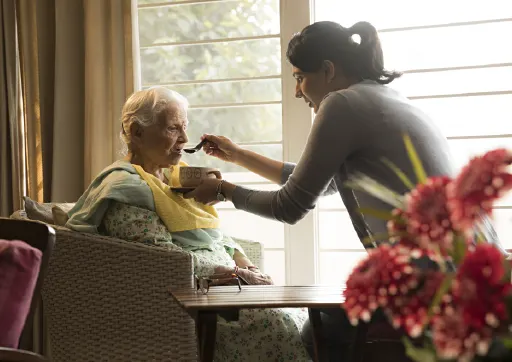
The best monitoring solutions are those that blend seamlessly into daily routines. Most non-contact systems are designed to be unobtrusive, with small sensors that can be placed out of sight. Many can be set up in under an hour and require little to no ongoing maintenance.
For seniors who enjoy technology, pairing monitoring with other smart home devices—such as voice assistants, smart lights, or entertainment systems—can create a more connected and supportive environment. For inspiration, check out these useful and easy tech gifts for seniors.
Common Concerns and How to Address Them
Families often have questions about cost, reliability, and how seniors will feel about being monitored. Here are some practical answers:
- Cost: Many basic systems are affordable and require only a one-time purchase. More advanced setups may have monthly fees for cloud services or professional monitoring.
- Reliability: Look for products with strong reviews and proven track records. Backup batteries and cellular connectivity can help ensure alerts are sent even if the power goes out.
- Acceptance: Involve seniors in the decision-making process. Explain how the system works and emphasize that it’s designed to support their independence, not restrict it.
FAQ: Non-Contact Monitoring for Older Adults
What are the main differences between wearable and non-wearable monitoring for seniors?
Wearable devices require the user to keep a gadget on their body, like a pendant or wristband. Non-wearable systems use sensors in the environment, so there’s nothing to wear or remember. This makes them ideal for those who forget or dislike wearing devices.
Can these systems detect falls or emergencies?
Yes, many non-contact monitoring tools can detect falls, sudden inactivity, or unusual movements. Some systems send instant alerts to caregivers or family members, allowing for quick response.
Is privacy protected with these monitoring solutions?
Most non-wearable monitoring options focus on privacy by avoiding cameras and audio recording. Data is typically encrypted, and only authorized individuals receive alerts or access to information.
Conclusion
Non wearable monitoring for seniors offers a practical, respectful way to support older adults at home. By using smart sensors and discreet technology, families can help ensure safety without sacrificing comfort or independence. Whether you’re caring for a loved one or planning for your own future, these solutions provide peace of mind and a better quality of life.