


Maintaining independence and safety is a top priority for older adults and their families. As people age, mobility challenges can increase the risk of falls and limit daily activities. Fortunately, elderly mobility monitoring tools have become more advanced, making it easier to support seniors in staying active and secure at home or in care settings.
These solutions range from wearable devices to smart sensors and alarms, all designed to help caregivers and families keep track of movement, detect falls, and encourage safe activity. Choosing the right technology can make a significant difference in quality of life, offering peace of mind and promoting autonomy.
For those interested in enhancing daily living, exploring easy entertainment gadgets for seniors can also support engagement and well-being alongside mobility monitoring solutions.
Why Mobility Monitoring Is Essential for Seniors
Falls are a leading cause of injury among older adults. Many seniors live alone or spend significant time without direct supervision, making it difficult to respond quickly if an accident occurs. Mobility monitoring devices for seniors help bridge this gap by providing real-time alerts and activity tracking. This technology can:
- Detect falls or unusual inactivity
- Alert caregivers or family members immediately
- Encourage physical activity and prevent sedentary habits
- Support independent living for longer
By integrating these tools into daily routines, families can reduce anxiety and help seniors maintain confidence in their movements.
Types of Elderly Mobility Monitoring Tools
There is a wide variety of mobility monitoring solutions for older adults available today. Each type offers unique features to suit different needs and living situations.
Wearable Devices
Wearables are among the most popular options. These include smartwatches, pendants, and fitness trackers designed for seniors. They often feature:
- Step counting and activity tracking
- Fall detection sensors
- Emergency call buttons
- GPS location tracking for wandering prevention
Wearable technology is discreet and easy to use, making it a practical choice for many older adults.
In-Home Sensors and Alarms
For those who prefer not to wear devices, in-home monitoring systems are an excellent alternative. These systems use motion sensors, pressure mats, and door alarms to monitor movement throughout the home. Key benefits include:
- Non-intrusive monitoring of daily routines
- Immediate alerts if unusual activity is detected
- Integration with smart home systems for added convenience
Some products, like wireless motion alarms and bed alarms, are specifically designed to notify caregivers if a senior leaves the bed at night or enters unsafe areas.

Smart Home Integration
Modern elderly mobility monitoring tools often connect with smart home devices. This integration allows for automated lighting, voice-activated emergency calls, and remote monitoring through mobile apps. Families can receive notifications on their phones, check activity logs, and even communicate with loved ones through two-way audio features.
For more information on how smart technology is helping older adults live independently, see this comprehensive guide on smart technology and home devices for seniors.
Choosing the Right Mobility Monitoring Solution
Selecting the best technology depends on the individual’s lifestyle, health needs, and comfort with devices. Here are some key factors to consider:
- Level of activity: Active seniors may prefer wearables, while those with limited mobility might benefit more from in-home sensors.
- Living situation: Those living alone may need more comprehensive monitoring than those in assisted living or with family.
- Ease of use: Devices should be simple to operate, with clear instructions and minimal setup.
- Integration: Consider whether the tool can connect with other smart devices or caregiver apps.
- Budget: Costs vary widely, so compare features and subscription requirements.
Consulting with healthcare providers or occupational therapists can also help determine which features are most beneficial for a specific situation.
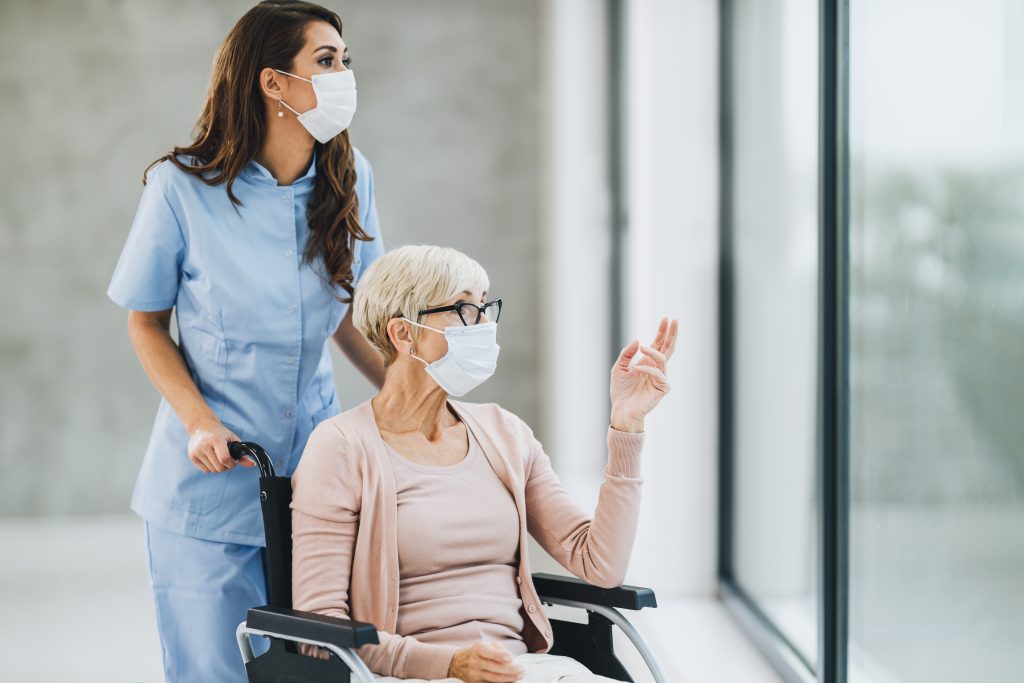
Benefits of Using Mobility Monitoring Devices
Integrating mobility monitoring devices for seniors into daily life offers several advantages:
- Peace of mind: Families and caregivers can respond quickly to emergencies, reducing anxiety for everyone involved.
- Increased independence: Seniors can move freely, knowing help is available if needed.
- Encouragement of activity: Activity tracking motivates older adults to stay mobile, which is essential for overall health.
- Early detection: Identifying changes in movement patterns can help catch health issues before they become serious.
These benefits make mobility monitoring a valuable addition to any senior care plan.
Tips for Setting Up and Using Mobility Monitoring Technology
To get the most out of these tools, follow some practical steps:
- Read all instructions and set up devices according to manufacturer guidelines.
- Test alarms and notifications to ensure they work as expected.
- Discuss the technology with the senior, explaining how it works and why it’s important.
- Regularly check batteries and update software if needed.
- Review activity logs or alerts to monitor for any changes in routine.
If you’re new to smart devices, our guide to setting up smart devices for elderly parents offers step-by-step support.
Complementary Tech for Senior Well-Being
While elderly mobility monitoring tools are crucial for safety, combining them with other supportive technologies can enhance daily life. For example, easy fitness equipment with digital tracking encourages regular exercise, while useful tech gifts for seniors can boost engagement and comfort at home. Even noise cancelling headphones for seniors can improve relaxation and focus, especially in shared living environments.
Frequently Asked Questions
What features should I look for in mobility monitoring devices for seniors?
Look for features such as fall detection, emergency call buttons, activity tracking, and ease of use. Consider whether the device integrates with smartphones or smart home systems and if it offers real-time alerts to caregivers or family members.
Are mobility monitoring tools difficult for seniors to use?
Most modern devices are designed to be user-friendly, with simple interfaces and clear instructions. Wearables often have one-touch emergency buttons, while in-home sensors work automatically. It’s important to choose a solution that matches the senior’s comfort level with technology.
Can these tools help seniors remain independent?
Yes, mobility monitoring technology supports independence by allowing seniors to move freely while ensuring help is available if needed. The reassurance of quick assistance can boost confidence and encourage more active living.
Conclusion
Choosing the right elderly mobility monitoring tools can transform the way seniors live, offering both safety and freedom. From wearables to in-home sensors and smart integrations, there are options to fit every lifestyle and need. By staying informed and selecting the best technology, families can help older adults enjoy greater independence and peace of mind.