

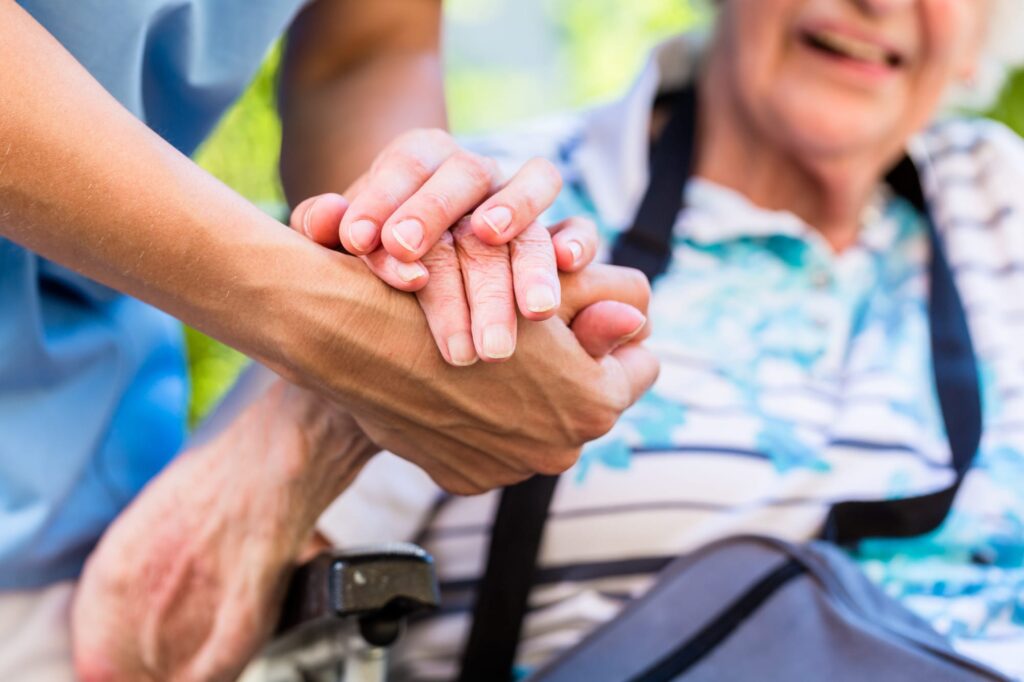
As the global population ages, the demand for effective and compassionate care continues to rise. AI powered caregiving solutions are transforming how families and professionals support older adults, especially within the comfort of their own homes. Smart home assistants, driven by artificial intelligence, are at the forefront of this change—offering safety, convenience, and enhanced quality of life for seniors and peace of mind for caregivers.
These intelligent systems go beyond simple automation. They integrate voice recognition, real-time monitoring, and adaptive learning to provide personalized support. From medication reminders to emergency alerts, AI-driven devices are making independent living more accessible and secure for older adults. For those exploring the latest advancements in elder care, understanding the benefits and practicalities of these tools is essential.
For those interested in a broader look at how technology is supporting older adults, our guide on smart assistance for elderly independence explores helpful gadgets that empower seniors to live more autonomously.
How Artificial Intelligence Is Shaping Modern Caregiving
The integration of artificial intelligence into home care is revolutionizing the way support is delivered. Unlike traditional devices, AI powered caregiving solutions can analyze patterns, learn preferences, and adapt to the unique needs of each individual. This means that smart home assistants can anticipate routines, detect anomalies, and even initiate alerts if something seems amiss.
Some of the most common uses of AI in caregiving include:
- Voice-activated reminders for medication, hydration, and appointments
- Environmental controls for lighting, temperature, and security
- Fall detection and emergency response systems
- Remote health monitoring and wellness tracking
- Social engagement through video calls and entertainment
These features not only support independence but also reduce the burden on family members and professional caregivers, allowing them to focus on more meaningful interactions.
Key Benefits of Smart Home Assistants for Elder Care
Adopting AI-driven home assistants offers several advantages for both seniors and their support networks. Here are some of the most impactful benefits:
- Enhanced Safety: Devices equipped with sensors and AI algorithms can detect falls, monitor unusual activity, and send instant alerts to caregivers or emergency services.
- Improved Daily Living: Automated reminders help seniors stay on top of medications, hydration, and appointments, reducing the risk of missed doses or forgotten tasks.
- Greater Independence: With voice commands and intuitive interfaces, older adults can control their environment, access entertainment, and communicate with loved ones without physical strain.
- Peace of Mind for Families: Real-time updates and remote monitoring mean families can stay informed and respond quickly if needed, even from afar.
- Personalized Support: AI learns routines and preferences, adapting reminders and suggestions to each user’s lifestyle.
For more information on how technology is enabling seniors to remain at home safely, the article on real time home monitoring for seniors provides insights into instant update systems and their practical applications.

Popular Types of AI-Driven Home Assistants
There is a growing variety of smart devices designed for elder care, each with unique features and benefits. Some of the most widely adopted categories include:
- Voice-Activated Speakers: Devices like Amazon Echo and Google Nest allow seniors to set reminders, make calls, and control smart home devices using simple voice commands.
- Wearable Emergency Devices: Smartwatches and pendants with fall detection and GPS tracking provide immediate access to help when needed.
- Sensor-Based Monitoring Systems: These unobtrusive sensors track movement, detect falls, and monitor daily routines, alerting caregivers to potential issues.
- Automated Medication Dispensers: AI-enabled pillboxes can remind users to take their medication and notify caregivers if doses are missed.
- Integrated Home Hubs: Centralized systems connect various devices, allowing seamless control and monitoring from a single interface.
For a comprehensive look at hands-free safety tools, see our resource on automated elder care solutions, which details how automation is making homes safer for older adults.
Choosing the Right AI Solution for Your Needs
Selecting the most appropriate smart home assistant depends on the specific needs and preferences of the individual. Consider the following factors:
- Level of Independence: Some seniors may prefer minimal intervention, while others require more comprehensive monitoring and support.
- Health Conditions: Devices with health tracking features are ideal for those managing chronic conditions or at risk of falls.
- Ease of Use: Look for intuitive interfaces, clear audio prompts, and accessible controls.
- Integration: Ensure compatibility with existing home devices and systems for a seamless experience.
- Privacy and Security: Choose solutions with robust data protection and transparent privacy policies.
For those interested in how digital tools are transforming the landscape of senior care, the article on digital transformation in senior care offers a modern tech guide for families and caregivers.

Challenges and Considerations in Implementing AI Caregiving Tools
While the benefits of AI powered caregiving solutions are significant, there are important considerations to keep in mind:
- Privacy Concerns: Continuous monitoring and data collection raise questions about user privacy and consent. It’s crucial to understand how data is stored and used.
- Technology Adoption: Some seniors may be hesitant or find it challenging to adapt to new technology. Providing thorough training and support can help ease the transition.
- Cost: Advanced systems can be expensive. Families should weigh the investment against the potential benefits and explore available funding options.
- Reliability: Dependence on internet connectivity and power can be a limitation. Backup plans should be in place for emergencies.
For a deeper dive into the role of digital health in supporting older adults, our article on digital health tools for older adults highlights ways to stay connected and healthy using modern technology.
To see how smart technology is helping older adults live independently, the resource at smart technology and home devices helping older adults live independently offers further insights and practical examples.
FAQ: AI and Smart Home Assistants in Elder Care
How do AI-powered home assistants improve safety for seniors?
These devices use sensors and artificial intelligence to monitor movement, detect falls, and identify unusual patterns. If a potential emergency is detected, they can automatically alert caregivers or emergency services, ensuring rapid response and reducing the risk of serious injury.
Are smart home assistants difficult for older adults to use?
Most modern devices are designed with accessibility in mind. Voice commands, simple interfaces, and clear prompts make them easy to use, even for those with limited technical experience. Many systems also offer setup assistance and ongoing support.
What privacy concerns should families consider with AI caregiving tools?
Continuous monitoring and data collection can raise privacy issues. It’s important to choose reputable providers, review privacy policies, and discuss consent with the person being cared for. Look for solutions that prioritize data security and allow users to control what information is shared.
Conclusion
Smart home assistants powered by artificial intelligence are reshaping the future of elder care. By providing personalized support, enhancing safety, and enabling greater independence, these tools offer real value to seniors and their families. As technology continues to advance, understanding and embracing these solutions can make a meaningful difference in the lives of those who need care most.