

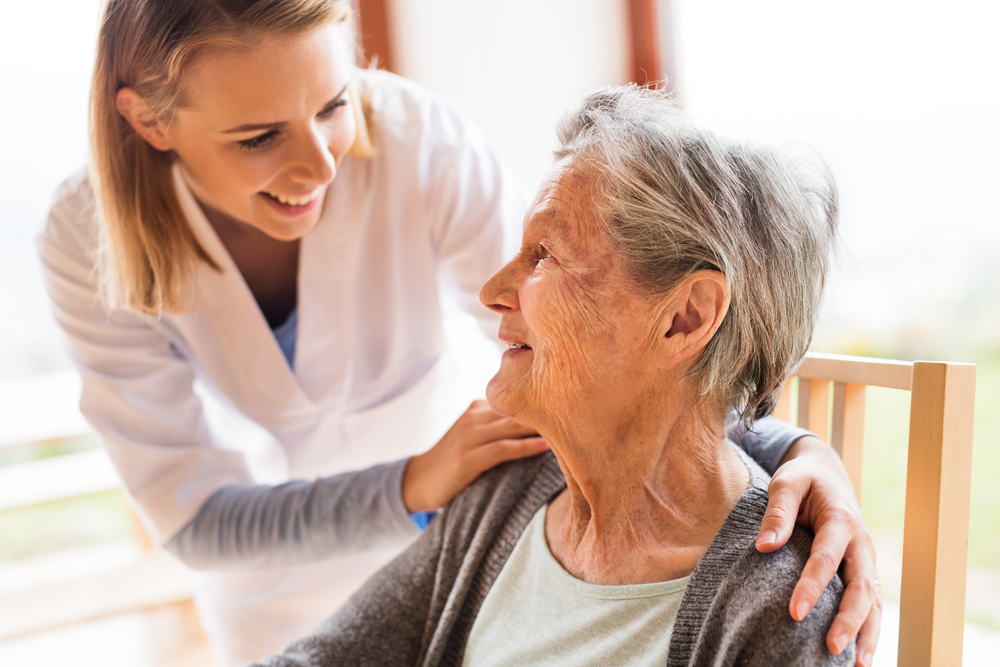
Supporting an aging loved one at home is both rewarding and challenging. As a family caregiver, ensuring safety, comfort, and independence for seniors often means adopting effective monitoring strategies. With the right approach, you can reduce risks, respond quickly to changes, and help your loved one maintain dignity and quality of life. This guide explores elder care monitoring best practices that empower families to create a safer, more supportive environment.
Modern technology and thoughtful routines can make a significant difference. From daily check-ins to smart devices, there are many ways to keep seniors safe without being intrusive. If you’re interested in exploring how technology can further support independence, you may want to read about smart assistance for elderly independence as well.
Why Monitoring Matters in Home Elder Care
As people age, risks such as falls, medication errors, and wandering increase. Monitoring helps family caregivers detect early warning signs and intervene before small issues become emergencies. It also provides peace of mind, knowing that your loved one is safe and that you’ll be alerted if something goes wrong.
Effective monitoring isn’t about constant surveillance. Instead, it’s about using the right tools and routines to support independence while reducing hazards. This balance is crucial for maintaining trust and respect between caregivers and seniors.
Key Principles for Effective Elderly Monitoring
To implement elder care monitoring best practices, consider these foundational principles:
- Respect Privacy: Always communicate openly with your loved one about what monitoring will involve and why it’s being used.
- Promote Independence: Choose solutions that empower seniors to do as much as possible on their own.
- Be Proactive: Regularly assess risks and update monitoring methods as needs change.
- Stay Informed: Educate yourself about available technologies and community resources.
Choosing the Right Monitoring Tools
There’s a wide range of options for monitoring seniors at home. The best choice depends on your loved one’s health, mobility, and preferences. Here are some commonly used tools and devices:
- Medical Alert Systems: Wearable devices that allow seniors to call for help with the press of a button.
- Bed and Chair Alarms: Alert caregivers if a senior gets up unexpectedly, helping to prevent falls.
- Motion Sensors: Detect movement in key areas and can notify caregivers of unusual activity patterns.
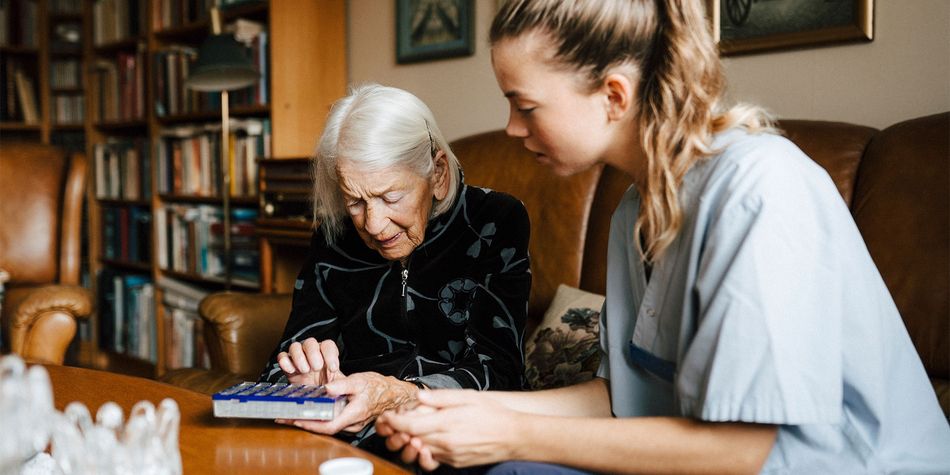
- Medication Dispensers: Automated reminders and locked containers to prevent missed or double doses.
- Video Doorbells and Cameras: Allow remote monitoring of entrances and common areas for added security.
For a deeper look at how real-time updates can help, see this resource on real time home monitoring for seniors.
Daily Routines That Enhance Safety
Beyond technology, consistent routines are a cornerstone of elder care monitoring best practices. Simple daily habits can help you notice changes in health or behavior early. Consider these steps:
- Check-In Calls or Visits: Regular communication helps you stay aware of your loved one’s condition and mood.
- Medication Review: Confirm that prescriptions are being taken as directed and watch for side effects.
- Home Safety Walkthroughs: Routinely inspect for hazards such as loose rugs, poor lighting, or cluttered walkways.
- Health Journals: Track symptoms, appetite, and activity levels to spot trends or concerns.
Combining these routines with smart devices can provide a comprehensive approach to monitoring, especially when you can’t be present at all times.
Integrating Technology for Better Outcomes
Smart home technology is transforming how families care for older adults. Devices like wireless alarms, automated lighting, and voice assistants can support safety and independence. For example, a wireless motion alarm can alert you if your loved one leaves their room at night, while a smart bed alarm can notify you of unexpected movement.
For families interested in a more hands-off approach, automated elder care solutions offer hands-free safety features that reduce the need for constant supervision. These tools can be especially helpful for caregivers balancing work and family responsibilities.
Balancing Safety and Independence
One of the main challenges in home care is finding the right balance between safety and autonomy. Over-monitoring can feel intrusive, while too little oversight increases risks. The best approach is to involve your loved one in decisions about monitoring and to choose solutions that fit their lifestyle and preferences.
For example, some seniors may prefer wearable alert devices, while others are more comfortable with passive sensors or regular check-ins. Respecting these preferences helps maintain trust and encourages cooperation.
Staying Current with Best Practices
As technology and care standards evolve, it’s important to stay informed. Resources like digital health tools for older adults and guides on digital transformation in senior care can help you keep up with new developments. Additionally, research such as this overview of smart technologies in older adult care provides valuable insights into emerging trends and evidence-based strategies.
Connecting with local support groups, healthcare providers, and online communities can also offer practical advice and emotional support as you navigate the complexities of caregiving.
Common Challenges and How to Overcome Them
Family caregivers often face obstacles when implementing monitoring strategies. Some common challenges include:
- Resistance to Change: Seniors may be hesitant to accept new devices or routines. Address concerns openly and highlight the benefits for their safety and independence.
- Technical Difficulties: Learning to use new technology can be daunting. Choose user-friendly devices and seek out tutorials or customer support when needed.
- Caregiver Burnout: Monitoring can be demanding. Share responsibilities with other family members or consider professional respite care to prevent exhaustion.
Remember, the goal is to create a supportive environment where seniors feel secure and valued, not to eliminate all risks or control every aspect of their lives.
Frequently Asked Questions
What are the most important features to look for in elder care monitoring devices?
Look for devices that are easy to use, reliable, and tailored to your loved one’s specific needs. Key features include emergency alert buttons, fall detection, medication reminders, and remote access for caregivers. Consider battery life, range, and compatibility with other home systems.
How can I respect my loved one’s privacy while still keeping them safe?
Involve your loved one in decisions about monitoring and explain the purpose behind each tool or routine. Opt for non-intrusive solutions, such as motion sensors instead of cameras, and use monitoring only in areas where safety is a concern. Regular communication helps maintain trust and addresses any worries about privacy.
Are there financial assistance programs for purchasing monitoring equipment?
Some insurance plans, Medicaid programs, and local agencies offer financial assistance for home safety devices. Check with your local Area Agency on Aging or senior services organizations for information about grants, discounts, or loan programs that may be available in your area.
Conclusion
Adopting elder care monitoring best practices is essential for family caregivers who want to support their loved ones at home. By combining thoughtful routines, open communication, and the right technology, you can create a safe, respectful, and empowering environment. Stay informed, involve your loved one in decisions, and don’t hesitate to seek support when needed. With the right approach, you can help your family member enjoy greater independence and peace of mind.