

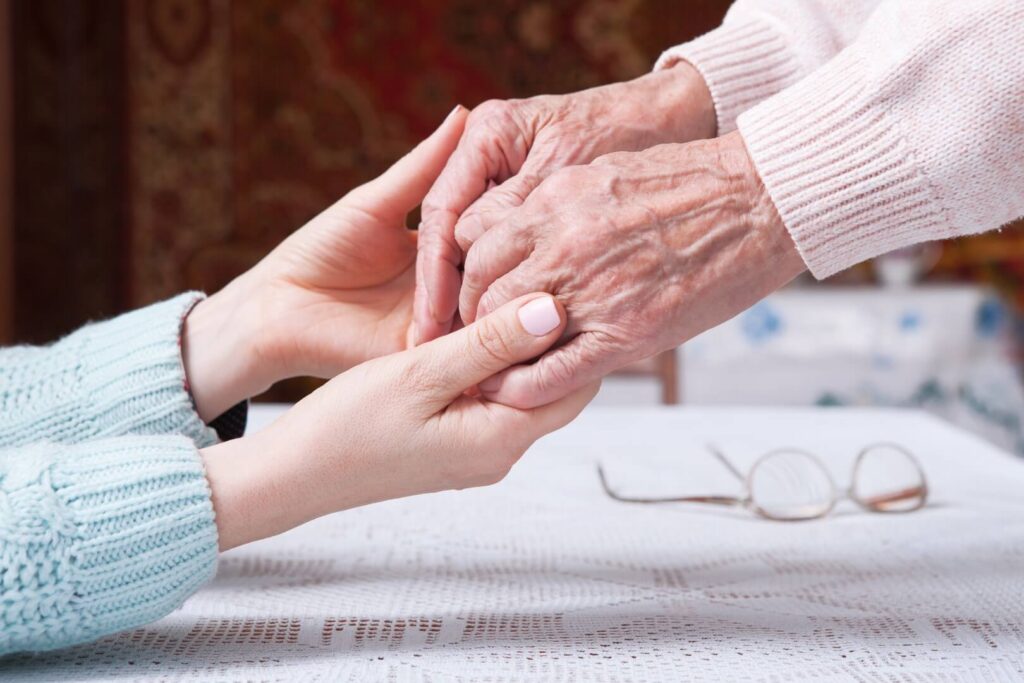
Keeping thorough, up-to-date records is essential for anyone involved in the care of older adults. A elderly daily log serves as a practical tool for tracking health status, routines, and care needs. Whether you are a family caregiver, professional nurse, or part of an assisted living team, maintaining a structured log helps ensure continuity, safety, and well-being for seniors. This article explores the core elements of these logs, their benefits, and how to implement them effectively in daily routines.
For those interested in optimizing comfort and support for older adults, understanding the benefits of a high backrest for seniors can further enhance quality of life alongside diligent record-keeping.
Why Consistent Health Logs Matter for Seniors
Documenting daily routines and health observations is more than just a formality. A well-maintained elderly daily log provides a comprehensive view of a senior’s physical and emotional state. This information is invaluable for detecting subtle changes, communicating with healthcare professionals, and making informed care decisions.
- Early Detection: Patterns in appetite, sleep, or mood can signal emerging health issues.
- Continuity of Care: Logs bridge communication gaps between family members, caregivers, and medical staff.
- Legal & Medical Documentation: Accurate records support medical appointments and can be critical in emergencies.
- Personalization: Understanding preferences and routines helps tailor care to individual needs.
Key Components of a Senior Care Log
An effective log should be simple to use yet detailed enough to capture meaningful information. While formats can vary, most daily records for older adults include the following sections:
- Vital Signs: Blood pressure, temperature, heart rate, and oxygen saturation if applicable.
- Medication Tracking: Dosages, times administered, and any missed or refused doses.
- Meals & Hydration: What was eaten and drunk, portion sizes, and any changes in appetite.
- Mobility & Activities: Physical activity, walks, exercise, and assistance required.
- Personal Care: Bathing, grooming, toileting, and skin checks.
- Mood & Behavior: Notable changes in mood, confusion, agitation, or withdrawal.
- Sleep Patterns: Bedtime, wake time, and any disturbances during the night.
- Notes & Observations: Anything unusual or important to communicate to the next caregiver or medical provider.

Choosing the Right Format for Daily Records
There is no one-size-fits-all approach to documenting care. The right format depends on the care setting, the number of caregivers involved, and the senior’s health needs. Some families prefer traditional paper charts, while others use digital tools or apps for convenience and sharing.
- Paper Logs: Simple, accessible, and easy to customize. Ideal for home care or small teams.
- Digital Apps: Offer reminders, secure sharing, and data analysis. Useful for families coordinating remotely or professional settings.
- Wearable Devices: Smart watches and health trackers can automatically record vital signs and activity, reducing manual entry and increasing accuracy.
For those interested in maximizing comfort during rest, see our guide on how to use a recliner for sleeping for practical tips on safety and support.
Best Practices for Maintaining a Senior Care Log
Consistency and clarity are key when keeping daily records for older adults. Here are some practical tips to ensure your logs are effective:
- Record in Real Time: Make entries immediately after care tasks to avoid forgetting details.
- Be Objective: Use clear, factual language. Avoid assumptions or subjective judgments.
- Involve the Senior: When possible, encourage the older adult to participate in tracking their routines and preferences.
- Review Regularly: Go over logs weekly with family or healthcare providers to spot trends or concerns.
- Ensure Privacy: Store logs securely, especially if they contain sensitive health information.

Integrating Logs Into Daily Care Routines
Making record-keeping a seamless part of the day helps ensure that nothing is missed. Here are some strategies for integrating logs into care routines:
- Designate a Time: Attach logging to existing routines, such as after meals or medication times.
- Share Responsibilities: If multiple caregivers are involved, assign sections or shifts to ensure full coverage.
- Use Reminders: Set alarms or app notifications to prompt entries, especially for critical tasks like medication administration.
- Keep Logs Accessible: Store paper logs in a central location or use shared digital platforms for easy access.
For more tips on optimizing comfort and skin health, explore the benefits of breathable fabrics for elderly skin and how they can complement daily care routines.
Who Should Use a Daily Care Record?
These logs are beneficial in a variety of settings:
- Family Caregivers: Gain peace of mind and better communicate with healthcare providers.
- Professional Caregivers: Ensure compliance with care plans and regulatory requirements.
- Assisted Living & Nursing Homes: Standardize care and improve quality assurance.
- Seniors Living Independently: Track their own health and routines, or share updates with family.
For those supporting aging parents, this comprehensive checklist for taking care of elderly parents offers additional guidance on holistic care.
Common Challenges and Solutions
While the advantages of keeping a daily care record are clear, some common obstacles may arise:
- Time Constraints: Streamline the process by using checklists or digital tools to reduce manual entry.
- Inconsistent Entries: Assign responsibility and provide training to all caregivers involved.
- Privacy Concerns: Use secure storage and limit access to those directly involved in care.
- Resistance from Seniors: Explain the benefits and involve them in the process to increase acceptance.
For those concerned about sleep habits, understanding the risks of sleeping in a recliner for seniors can help inform safe nighttime routines.
FAQ About Daily Logs for Elderly Care
What information should be included in a daily care log for seniors?
A comprehensive log should cover vital signs, medication administration, meals and hydration, mobility, personal care, mood, sleep patterns, and any notable observations. Customizing the log to the individual’s needs ensures all relevant aspects are tracked.
How can digital tools help with record-keeping for older adults?
Digital apps and wearable devices can automate data collection, set reminders, and allow for easy sharing among family and care teams. This reduces the risk of missed entries and improves accuracy.
Is it necessary to keep a log if the senior is healthy and independent?
Even for healthy, independent seniors, maintaining a simple daily record can help spot early changes in health or routines. It also provides valuable information in case of sudden illness or when communicating with healthcare providers.
How often should logs be reviewed by family or medical professionals?
Ideally, logs should be reviewed weekly or whenever there is a noticeable change in the senior’s condition. Regular reviews help catch trends early and ensure care remains responsive and effective.
By making daily record-keeping a routine part of care, families and professionals can provide safer, more personalized support for older adults. Whether using paper, digital, or wearable solutions, a structured approach to tracking health and routines is a cornerstone of quality senior care.