

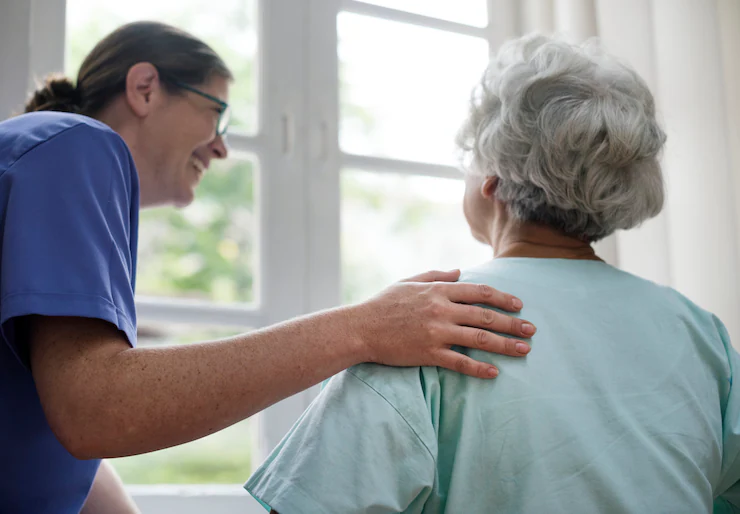
As the global population ages, ensuring the safety and well-being of older adults has become a top priority for families, caregivers, and healthcare providers. Elderly safety analytics leverages data-driven insights to identify hazards, monitor health, and reduce preventable incidents among seniors. By collecting and analyzing information from various sources, these systems help create safer environments and support independent living for older adults.
Modern technologies, such as smart sensors and wearable devices, play a crucial role in gathering real-time data about seniors’ daily activities, mobility, and health status. When combined with advanced analytics, this information can reveal patterns, predict potential risks, and enable timely interventions. For those interested in how monitoring can provide valuable perspectives on senior well-being, senior health insights from monitoring data offers further reading on this topic.
Understanding Data-Driven Safety for Seniors
Data analytics for senior safety involves collecting information from multiple sources, such as motion sensors, bed alarms, medication dispensers, and smart home devices. This data is then processed to identify trends, unusual behaviors, or potential dangers that might otherwise go unnoticed. For example, a sudden change in walking patterns or increased nighttime activity could signal a health issue or risk of falling.
By using these analytical tools, caregivers and healthcare professionals can:
- Detect early warning signs of health decline or unsafe conditions
- Monitor adherence to medication schedules
- Track mobility and activity levels
- Identify environmental hazards, such as clutter or poor lighting
- Respond quickly to emergencies, such as falls or wandering
These proactive measures help reduce hospitalizations, promote independence, and provide peace of mind for families.
Key Technologies Enabling Elderly Safety Analytics
Several innovative solutions are making it easier to collect and analyze safety-related data in senior living environments. Some of the most impactful technologies include:
- Wearable devices that track movement, heart rate, and location
- Smart home sensors that monitor doors, windows, and motion
- Bed and chair alarms that detect when a person gets up unexpectedly
- Automated medication dispensers with adherence tracking
- Remote monitoring platforms that aggregate and analyze data for caregivers
For a deeper dive into how smart gadgets support independence, see smart assistance for elderly independence.
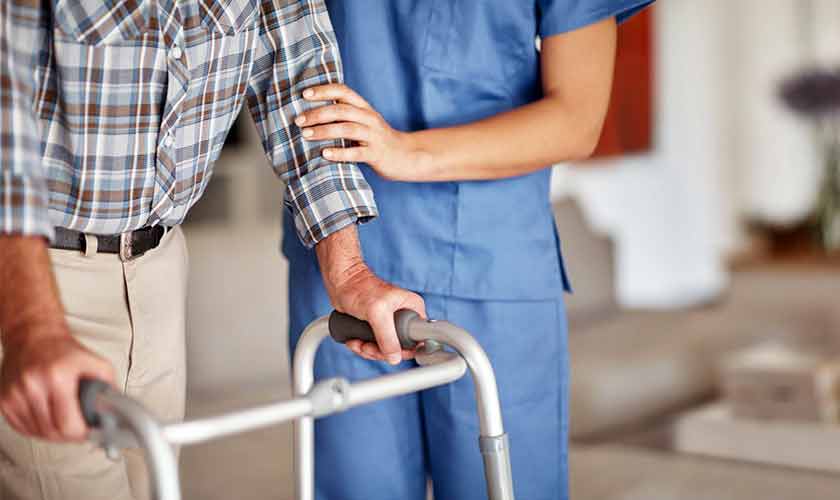
Benefits of Analytics in Senior Risk Prevention
Applying elderly safety analytics can transform the way risks are managed in both home and care facility settings. Some of the main advantages include:
- Personalized care: Data allows for tailored interventions based on individual needs and behaviors.
- Early intervention: Trends and anomalies can be detected before they escalate into emergencies.
- Resource optimization: Staff and caregivers can focus their attention where it’s needed most.
- Improved communication: Family members and healthcare teams can access real-time updates and reports.
- Enhanced autonomy: Seniors can maintain independence longer with unobtrusive monitoring and support.
For those interested in the future of technology in this area, future smart homes for seniors explores how automation and analytics are shaping the next generation of elder care.
Real-World Applications of Safety Data
Practical uses of safety analytics for seniors are already making a difference in homes and care facilities. Some common examples include:
- Fall detection and prevention: Sensors and algorithms monitor gait and movement to alert caregivers of potential falls.
- Wandering alerts: Door and motion sensors notify staff if a resident leaves a safe area, reducing the risk of getting lost.
- Medication management: Automated reminders and tracking help ensure medications are taken as prescribed.
- Environmental monitoring: Data on temperature, lighting, and air quality helps maintain a safe living space.
These solutions are supported by research and case studies, such as those found in studies on SMART technologies in older adult care, which highlight the effectiveness of analytics in reducing risks and improving outcomes.
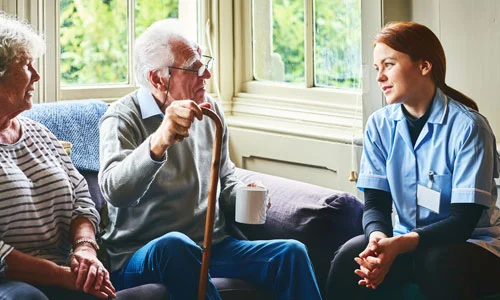
Challenges and Considerations in Implementing Analytics
While the benefits are clear, there are important factors to consider when adopting data-driven safety solutions for older adults:
- Privacy concerns: Collecting personal data requires strict safeguards and transparency with seniors and families.
- Technology adoption: Not all seniors are comfortable with new devices, so solutions should be user-friendly and minimally intrusive.
- Integration: Systems must work seamlessly with existing care routines and technologies.
- Cost: Some advanced solutions may be expensive, so it’s important to weigh the investment against potential benefits.
Caregivers and decision-makers should involve seniors in the selection process and ensure that any technology used respects their dignity and autonomy. For more on how daily activities can be monitored to support independence, visit monitoring daily living activities.
Best Practices for Using Analytics to Enhance Senior Safety
To maximize the impact of elderly safety analytics, consider these best practices:
- Start with a needs assessment: Identify specific risks and goals for the senior or care facility.
- Choose appropriate technologies: Select devices and platforms that match the user’s abilities and preferences.
- Ensure data security: Work with reputable providers who prioritize privacy and compliance with regulations.
- Train caregivers and users: Provide clear instructions and ongoing support to ensure effective use.
- Review and adjust: Regularly analyze collected data to refine care plans and respond to changing needs.
Staying informed about the latest advancements is also key. For insights into emerging solutions, see next generation elder care technology.
FAQ
How does data analytics help prevent falls among seniors?
By continuously monitoring movement patterns and activity levels, analytics systems can detect changes that may indicate a higher risk of falling. Alerts can be sent to caregivers if unusual behavior is detected, allowing for timely intervention and adjustments to the environment or care routine.
Are elderly safety analytics systems difficult to set up?
Most modern systems are designed for easy installation and user-friendliness. Many devices are wireless and require minimal setup, making them accessible for both home and facility use. Training and support are often provided to ensure smooth adoption.
What privacy protections are in place for seniors using these technologies?
Reputable analytics providers implement strict data security measures, including encryption and access controls. It’s important to choose solutions that are transparent about data usage and comply with relevant privacy regulations, ensuring that seniors’ information remains confidential.