

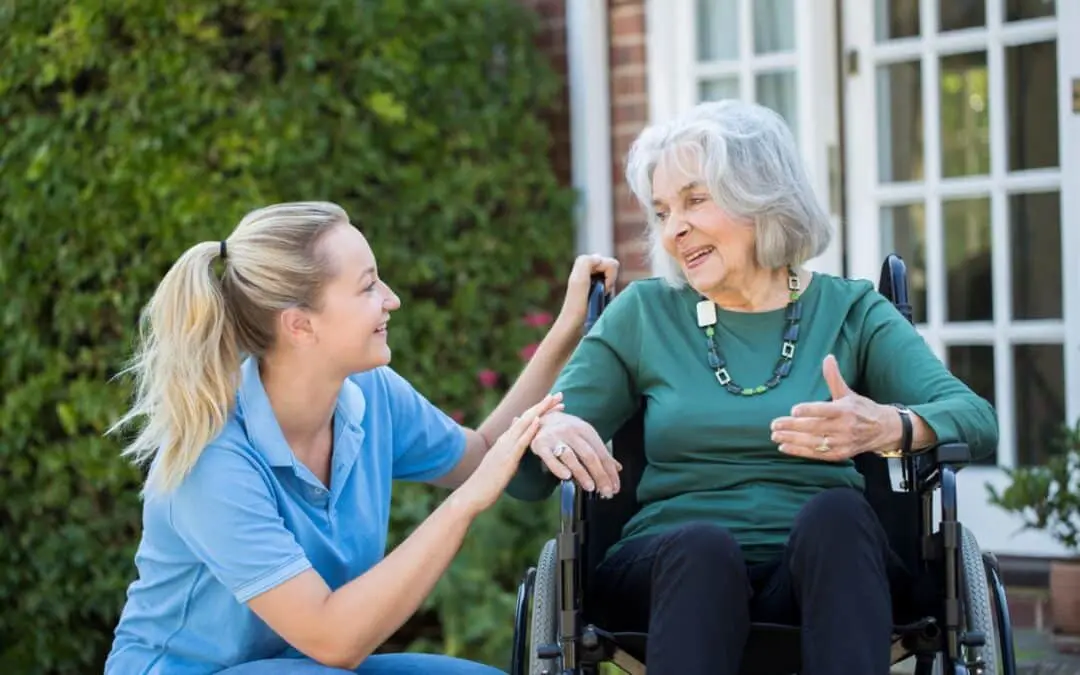
As more older adults choose to remain in their own homes, ensuring their safety and well-being becomes a top priority. Supporting seniors living alone safely is not just about peace of mind for families—it’s about empowering older adults to maintain independence while minimizing risks. Fortunately, modern technology offers practical solutions that make living alone safer, more comfortable, and less stressful for everyone involved.
This guide explores the most effective devices, systems, and strategies for enhancing safety and quality of life for older adults who live independently. We’ll also highlight how families and caregivers can leverage these tools to stay connected and informed, without sacrificing privacy or autonomy.
For those interested in deeper insights into how technology can improve well-being, senior health insights from monitoring data provides valuable information on using data to support healthy aging.
Why Technology Matters for Independent Seniors
Living alone can be empowering for older adults, but it also introduces challenges such as fall risks, medical emergencies, and social isolation. By integrating essential tech for senior safety, families can reduce these risks and help their loved ones remain independent for longer. The right devices can:
- Detect and alert caregivers to emergencies like falls or wandering
- Remind users to take medications or attend appointments
- Enable communication with family and healthcare providers
- Monitor daily activities for signs of health changes
- Provide reassurance and confidence for both seniors and their families
Key Technologies for Supporting Seniors Living Alone Safely
There is a wide range of products designed to address the unique needs of older adults living independently. Below are some of the most impactful solutions available today.
1. Fall Detection and Prevention Devices
Falls are a leading cause of injury among seniors. Devices such as smart bed alarms and wireless motion sensors can alert caregivers if a person gets out of bed or moves unexpectedly, helping to prevent accidents or provide rapid assistance if needed.

These devices are often simple to install and use, providing real-time alerts to caregivers or family members. They can be placed near beds, doorways, or high-risk areas to maximize protection.
2. Medication Management Solutions
Missing medications or taking the wrong dose can have serious health consequences. Automated pill dispensers, smartphone reminders, and voice-activated assistants help ensure that seniors take their medications on schedule. Some systems even notify caregivers if a dose is missed, further supporting safe independent living.
3. Emergency Response Systems
Personal emergency response systems (PERS) allow users to call for help at the press of a button. Many modern systems include fall detection, GPS tracking, and two-way communication, making them invaluable for those who may need urgent assistance but want to avoid intrusive monitoring.
For families concerned about privacy, there are technology options that do not use cameras, ensuring dignity and comfort while still offering robust safety features.
4. Activity and Wellness Monitoring
Smart sensors and wearable devices can track movement, sleep patterns, and other daily activities. This data helps families and healthcare providers spot changes in behavior or health that may indicate a problem. For more on this, see our article on monitoring daily living activities for a closer look at how these systems work.
Privacy and Dignity: Balancing Safety with Respect
One of the main concerns when implementing technology for older adults is maintaining privacy and dignity. Many seniors are uncomfortable with cameras or invasive monitoring. Fortunately, there are solutions that use motion sensors, door alarms, and non-visual monitoring to provide safety without compromising personal space.
Choosing the right level of monitoring depends on individual needs and preferences. Open communication between seniors and their families is essential to ensure everyone feels comfortable and respected.

Integrating Tech with Everyday Life
For technology to be effective, it must fit seamlessly into daily routines. Devices should be easy to use, require minimal maintenance, and not disrupt normal activities. Many products are now designed with older adults in mind, featuring large buttons, clear displays, and simple instructions.
Families can further support independence by combining technology with regular check-ins, community resources, and social engagement. For those interested in the future of home automation, our discussion on future smart homes for seniors explores how emerging tech will continue to transform independent living.
Choosing the Right Solutions for Your Loved One
Every senior has unique needs and preferences. When selecting technology for safe solo living, consider the following:
- Physical and cognitive abilities
- Comfort with technology and willingness to use new devices
- Home layout and risk areas (stairs, bathrooms, entryways)
- Level of support from family or caregivers
- Budget and ongoing costs
Consulting with healthcare professionals, occupational therapists, or aging-in-place specialists can help identify the most suitable options. For more ideas, our overview of smart assistance for elderly independence highlights a range of helpful gadgets and tools.
Benefits Beyond Safety
While the primary goal is to reduce risks, technology also brings other advantages:
- Peace of mind for families and caregivers
- Greater confidence and autonomy for seniors
- Early detection of health issues through monitoring
- Enhanced social connection via communication tools
- Support for aging in place, delaying or avoiding institutional care
As technology continues to advance, even more innovative solutions are emerging. If you’re curious about what’s on the horizon, our article on next generation elder care technology covers the latest breakthroughs.
Frequently Asked Questions
What are the most important devices for seniors living alone?
The most impactful devices include fall detection alarms, wireless motion sensors, medication reminders, and emergency response systems. These tools help prevent accidents, ensure timely assistance, and support daily routines.
How can technology help without invading privacy?
Many safety solutions use non-visual sensors, door alarms, and discreet monitoring to provide alerts without cameras or audio recording. This allows for effective oversight while respecting personal space and dignity.
Are these technologies difficult for older adults to use?
Most modern devices are designed with simplicity in mind. Features like large buttons, voice prompts, and intuitive interfaces make them accessible even for those with limited tech experience. Family members or caregivers can assist with setup and troubleshooting as needed.
Can these systems detect health changes over time?
Yes, many monitoring solutions track activity patterns, sleep, and medication adherence. This data can help families and healthcare providers spot early signs of health issues and intervene promptly.
Conclusion
Empowering older adults to live independently and safely is more achievable than ever thanks to advances in technology. By thoughtfully selecting and integrating the right tools, families can provide essential support while preserving dignity and autonomy. Whether it’s fall prevention, medication management, or discreet monitoring, today’s solutions make it possible for seniors to thrive in their own homes with confidence.