

Embracing healthy aging is about more than just adding years to your life—it’s about enhancing your quality of life as you grow older. With the right habits, support, and knowledge, it’s possible to maintain physical strength, mental sharpness, and a sense of independence well into your later years. This guide explores practical strategies to help you or your loved ones thrive, covering everything from daily routines to home safety and social engagement.
Whether you’re caring for yourself or supporting an older family member, making informed choices can significantly impact well-being. We’ll cover essential aspects of aging well, including nutrition, movement, mental health, and creating a safe, comfortable environment. For those interested in optimizing comfort and support, you may also want to learn about the benefits of a high backrest for seniors and how it contributes to neck and spine health.

Building a Foundation for Healthy Aging
The journey toward well-being in later years begins with a strong foundation. This means focusing on the basics: nutritious food, regular movement, and preventive healthcare. These pillars support not only physical health but also emotional and cognitive resilience.
Nutrition for Vitality
Eating well is crucial for maintaining energy, muscle mass, and immune function. Aim for a balanced diet rich in fruits, vegetables, lean proteins, whole grains, and healthy fats. Staying hydrated is equally important, as dehydration can contribute to confusion and fatigue.
- Include a variety of colorful produce to get a range of vitamins and antioxidants.
- Choose high-fiber foods to support digestion and heart health.
- Limit processed foods and added sugars to reduce inflammation and chronic disease risk.
If you have specific dietary needs or restrictions, consider consulting a registered dietitian who specializes in older adult nutrition.
Staying Active for Strength and Mobility
Regular movement helps maintain muscle strength, balance, and flexibility. Even gentle activities can make a significant difference. Walking, swimming, chair exercises, and stretching routines are all excellent choices.
- Incorporate strength training exercises at least twice a week to preserve muscle mass.
- Balance activities, such as tai chi or yoga, can reduce fall risk.
- Make movement a social activity by joining group classes or walking with friends.
For those who spend extended periods sitting or reclining, it’s important to consider the benefits of breathable fabrics for elderly skin to prevent discomfort and skin irritation.
Creating a Safe and Supportive Home Environment
A comfortable, hazard-free living space is essential for maintaining independence and confidence. Simple modifications can help prevent accidents and make daily tasks easier.
Home Safety Essentials
Preventing falls and injuries is a top priority. Consider these practical steps:
- Install grab bars in bathrooms and near stairs.
- Use non-slip mats in showers and tubs.
- Ensure all areas are well-lit, especially hallways and entryways.
- Remove loose rugs and clutter from walkways.
- Consider motion sensor night lights for nighttime visibility.
For individuals who may be at risk of wandering or falls, a bed exit alarm can provide peace of mind for both caregivers and loved ones.
Comfort and Accessibility
Adapting furniture and layout can make daily life easier. Recliners with proper support, adjustable beds, and easy-to-reach storage all contribute to comfort. If you are considering new seating, understanding the pros and cons of a lay-flat recliner for seniors can help you choose the right option for your needs.
Staying Connected and Mentally Engaged
Social interaction and cognitive stimulation are vital for emotional well-being and brain health. Maintaining relationships, pursuing hobbies, and engaging in lifelong learning all support a fulfilling lifestyle.
Social Wellness
Loneliness can impact both mental and physical health. Stay connected by:
- Scheduling regular visits or calls with family and friends.
- Participating in community groups, clubs, or volunteer activities.
- Exploring online groups or virtual events if mobility is limited.
Cognitive Health
Keeping the mind active helps preserve memory and problem-solving skills. Try activities such as:
- Reading books or newspapers daily.
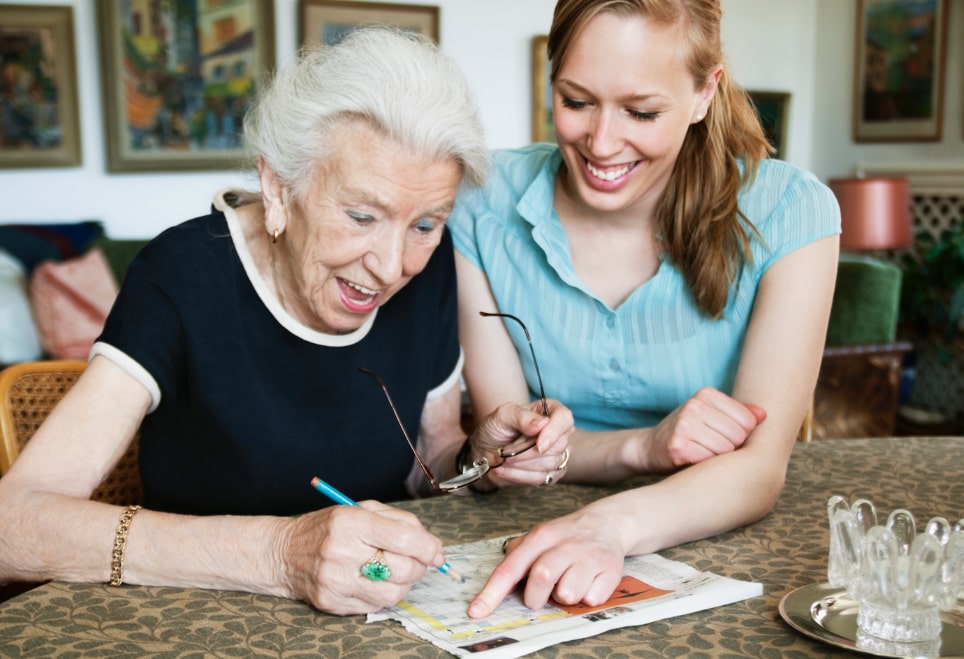
- Playing games that challenge the brain, like puzzles or crosswords.
- Learning new skills, such as a language or musical instrument.
Managing Health and Preventive Care
Regular check-ups and screenings are key to catching health issues early. Work with your healthcare provider to develop a personalized plan that includes:
- Annual physical exams and recommended screenings.
- Medication reviews to avoid interactions or side effects.
- Vaccinations, including flu and pneumonia shots.
- Vision and hearing assessments.
For those receiving care at home, it’s helpful to review the Medicare coverage for home health services to understand available support and resources.

Rest and Sleep Quality
Good sleep is essential for recovery and mental clarity. Establish a regular bedtime routine, keep the bedroom dark and quiet, and avoid caffeine late in the day. If you use a recliner for rest, review how to use a recliner for sleeping safely and comfortably, and be aware of the risks of sleeping in a recliner for seniors.
Frequently Asked Questions
What are the most important habits for healthy aging?
The most impactful habits include eating a balanced diet, staying physically active, maintaining social connections, getting regular health check-ups, and ensuring a safe home environment. Prioritizing mental health and sleep quality also plays a significant role.
How can older adults prevent falls at home?
To reduce fall risk, install grab bars, use non-slip mats, keep pathways clear, and ensure good lighting throughout the home. Consider assistive devices like motion sensor night lights and bed exit alarms for added safety.
Why is social engagement important for seniors?
Staying socially active helps prevent loneliness and depression, supports cognitive function, and contributes to a sense of purpose. Regular interaction with friends, family, or community groups can greatly improve quality of life.
Are there resources to help with home care for older adults?
Yes, there are many resources available, including Medicare-covered home health services, local agencies on aging, and private care providers. These services can assist with medical needs, daily activities, and companionship.
By focusing on these practical strategies and staying informed, you can support yourself or your loved ones in enjoying a vibrant, independent life as the years go by.