

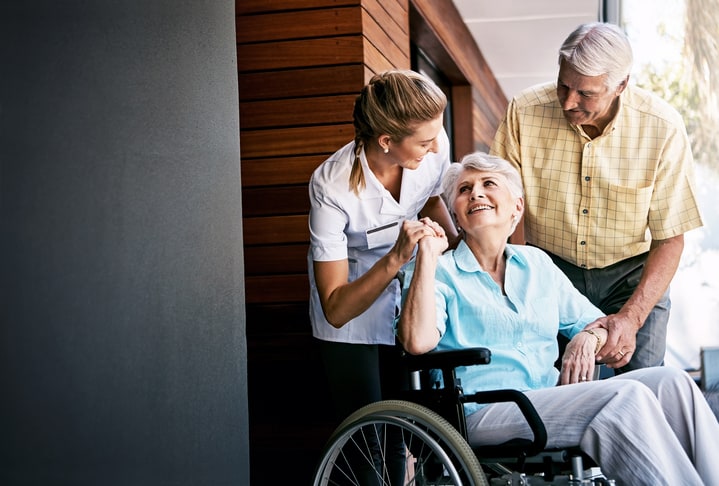
As people age, their risk of accidents and injuries at home increases. Slips, falls, and other household hazards are a leading cause of emergency visits among older adults. Home hazard monitoring for seniors is a proactive approach that helps families and caregivers identify and address potential dangers before they lead to harm. By using monitoring tools and regular assessments, it’s possible to create a safer living environment and support independence for longer.
This article explores practical strategies, technology solutions, and essential tips for recognizing and reducing risks in the homes of older adults. Whether you’re a family member, caregiver, or senior yourself, understanding how to spot and manage hazards can make a significant difference in quality of life and peace of mind.
Modern solutions for senior safety go beyond simple checklists. For those interested in leveraging technology, real time home monitoring for seniors offers instant updates and alerts, providing families with added reassurance and actionable insights.
Why Proactive Hazard Detection Matters for Older Adults
Falls and accidents are a major concern for aging individuals. According to research, more than one in four seniors experience a fall each year, often resulting in injuries that can impact mobility and independence. Early detection of hazards—such as loose rugs, poor lighting, or cluttered walkways—can prevent many of these incidents.
Proactive monitoring also supports aging in place, allowing seniors to remain in their homes safely and comfortably. By identifying risks early, families can implement changes before an accident occurs, reducing hospitalizations and long-term care needs.
Key Areas to Monitor in the Home
Effective home hazard monitoring for seniors focuses on several high-risk areas. Regular checks and the use of smart devices can help address the following:
- Entrances and Exits: Ensure steps are secure, handrails are sturdy, and outdoor paths are well-lit.
- Bathrooms: Install grab bars, non-slip mats, and consider raised toilet seats to prevent falls.
- Kitchens: Watch for slippery floors, sharp objects within reach, and appliances left on by mistake.
- Living Areas: Remove clutter, secure rugs, and arrange furniture to create clear pathways.
- Bedrooms: Place nightlights and keep frequently used items within easy reach.
Technology Tools for Safer Living Spaces
Today’s market offers a range of devices designed to support hazard monitoring for seniors at home. These tools can alert caregivers to potential problems and provide valuable data for ongoing safety improvements:
- Motion Sensors: Detect movement in key areas and send alerts if unusual activity is detected, such as a fall or wandering at night.
- Bed and Chair Alarms: Notify caregivers if a senior leaves their bed or chair unexpectedly, reducing the risk of falls.
- Smart Lighting: Automatically turns on lights in hallways or bathrooms when movement is detected, minimizing trips and falls in the dark.
- Remote Cameras: Allow family members to check in visually without intruding on privacy.
For those interested in more advanced solutions, exploring future smart homes for seniors can offer insights into how automation and connected devices are transforming senior safety and independence.
Practical Steps for Ongoing Home Safety
While technology is valuable, regular hands-on assessments remain essential. Here are some practical steps to maintain a safe environment:
- Conduct Routine Walkthroughs: Check for new hazards weekly, especially after home modifications or changes in health status.
- Engage Seniors in the Process: Involve older adults in identifying what feels unsafe or difficult to navigate.
- Update Emergency Contacts: Ensure that all monitoring devices have current contact information for caregivers and emergency services.
- Review Medication Storage: Store medications in a safe, accessible place to prevent confusion or accidental misuse.
For more ideas on supporting independence, see our guide to smart assistance for elderly independence, which covers helpful gadgets and adaptive tools.
Integrating Monitoring Data for Better Outcomes
Collecting and analyzing data from monitoring devices can reveal patterns and help caregivers make informed decisions. For example, frequent nighttime movement may indicate a need for better lighting or a medical checkup. Reviewing this information regularly can lead to timely interventions and improved safety.
Those seeking to understand the broader impact of monitoring can benefit from reading about senior health insights from monitoring data, which discusses how data-driven approaches support well-being.
Research supports the value of these strategies. According to a recent study on fall prevention in older adults, combining environmental modifications with technology and education significantly reduces the risk of injury.
Encouraging Independence While Ensuring Safety
Maintaining autonomy is important for seniors’ dignity and mental health. The goal of home hazard monitoring for seniors is not to restrict freedom, but to empower older adults to live confidently in their own homes. By balancing safety measures with respect for privacy and choice, families can support both security and independence.
Regular communication, involving seniors in decision-making, and choosing discreet, user-friendly devices all contribute to a positive experience. For those tracking daily routines, our resource on monitoring daily living activities offers additional tips for supporting independence.
Frequently Asked Questions
What are the most common hazards for seniors at home?
The most frequent risks include slippery floors, poor lighting, cluttered walkways, loose rugs, and lack of grab bars in bathrooms. Medication mix-ups and unattended appliances can also pose dangers.
How can technology help reduce accidents for older adults?
Devices like motion sensors, bed alarms, and smart lighting can alert caregivers to unusual activity, help prevent falls, and ensure prompt assistance if needed. These tools complement regular safety checks and make it easier to spot problems early.
Is it possible to maintain privacy while using monitoring devices?
Yes. Many modern systems are designed to be discreet and respect privacy. For example, motion sensors and bed alarms do not use cameras, and data can be shared only with trusted caregivers or family members.
How often should a home be checked for new hazards?
It’s best to do a thorough walkthrough at least once a month, and after any changes in health or mobility. Involving the senior in these checks can help identify issues that may not be obvious to others.
By staying vigilant and using a combination of technology and regular assessments, families can create a safer, more comfortable environment for their loved ones. Early detection and ongoing monitoring are key to supporting independence and well-being for seniors at home.