

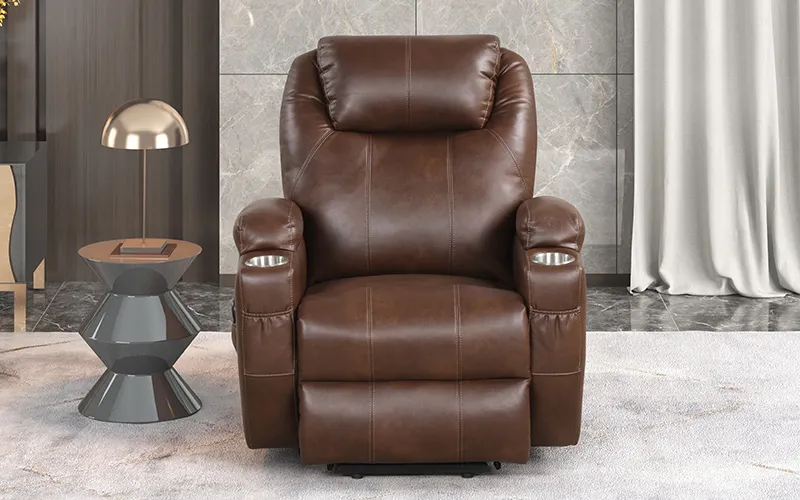
Power recliners offer exceptional comfort and support, especially for seniors and those who spend extended periods seated. One of their most valuable features is the adjustable headrest, which can be fine-tuned for optimal neck and head support. Knowing how to adjust the headrest on a power recliner safely is essential for both comfort and injury prevention. This guide will walk you through the process, highlight important safety tips, and answer common questions about using these chairs.
Proper use of a power recliner’s headrest can help reduce neck strain, improve posture, and enhance relaxation. If you’re interested in learning more about related safety and comfort topics, check out these tips for avoiding recliner-related injuries for additional guidance.
Understanding Power Recliner Headrest Features
Modern power recliners come equipped with a variety of headrest adjustment mechanisms. Some models use simple buttons on a remote or armrest, while others offer advanced programmable positions. The ability to customize the headrest angle and height is particularly beneficial for seniors, people with mobility issues, and anyone seeking ergonomic support.
- Electronic controls: Most power recliners feature easy-to-use buttons or touchpads for adjusting the headrest independently from the footrest and backrest.
- Multiple positions: Many chairs allow for incremental adjustments, so you can find the perfect angle for reading, watching TV, or napping.
- Memory settings: Some premium models let you save your favorite headrest positions for quick access.
Before making any adjustments, it’s important to familiarize yourself with your specific recliner’s controls. Refer to the user manual for diagrams and instructions unique to your chair.
Step-by-Step Guide to Adjusting the Headrest
Learning how to adjust the headrest on a power recliner correctly ensures both comfort and safety. Follow these steps to make adjustments smoothly and avoid unnecessary strain:
- Ensure the chair is plugged in and powered on. Most power recliners require a stable electrical connection for all motorized functions.
- Locate the headrest control buttons. These are usually found on the side panel, armrest, or a handheld remote. Look for icons that indicate headrest movement.
- Sit back comfortably with your back and neck supported. Keep your feet flat on the floor or footrest to maintain balance.
- Press the appropriate button to raise or lower the headrest. Make small adjustments and pause to check your comfort level after each movement.
- Stop adjusting when your neck feels supported and your head is aligned with your spine. Avoid overextending the headrest, as this can cause discomfort or strain.
- Test the position by sitting for a few minutes. If needed, fine-tune the angle until you achieve the desired support.
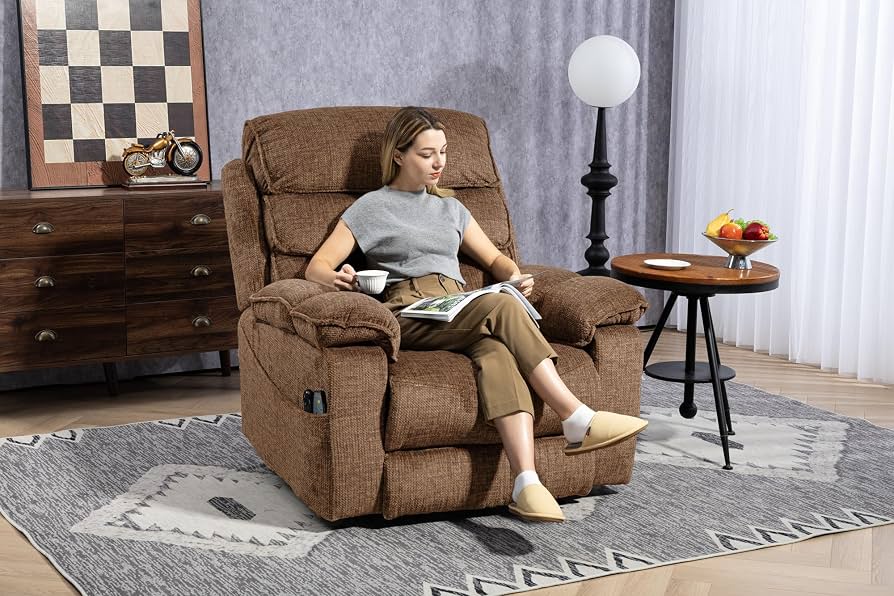
Safety Tips for Adjusting Power Recliner Headrests
While adjusting your recliner’s headrest is generally straightforward, it’s important to follow safety guidelines to prevent accidents or damage:
- Move slowly: Sudden or forceful adjustments can strain the motor or cause discomfort.
- Keep hands and fingers clear: Ensure no body parts are near moving parts during adjustment.
- Check for obstructions: Make sure pillows, pets, or objects are not blocking the headrest’s movement path.
- Supervise elderly users: Seniors or those with limited mobility may need assistance to avoid accidental misuse.
- Unplug during maintenance: Always disconnect the recliner from power before cleaning or troubleshooting.
For more on the benefits of proper support, see our article on the benefits of a high backrest for seniors.
Common Problems and Troubleshooting
Sometimes, you may encounter issues when trying to adjust your power recliner’s headrest. Here are a few common problems and solutions:
| Issue | Possible Cause | Solution |
|---|---|---|
| Headrest not moving | Unplugged chair, faulty remote, or motor issue | Check power connection, inspect remote batteries, consult manual |
| Jerky or slow movement | Obstruction, low power, worn motor | Remove obstructions, ensure full power, contact manufacturer if persistent |
| Unusual noises | Loose parts or debris | Inspect for foreign objects, tighten screws, seek professional help if needed |
If you’re unsure about a problem, refer to your user manual or reach out to the manufacturer’s customer support.
Choosing the Right Recliner for Your Needs
When selecting a power recliner, consider features that make headrest adjustment easier and safer. Look for:
- Simple, intuitive controls that are easy to reach and operate.
- Sturdy construction to support frequent adjustments.
- Supportive padding for neck and head comfort.
- Warranty and customer support in case repairs are needed.
If you’re shopping for a recliner for a senior or someone with special needs, you may want to explore models designed specifically for ease of use and safety. For more guidance, see our tips on how to choose a recliner with easy-clean fabric and how to choose a recliner for a small apartment.

Additional Tips for Safe and Comfortable Recliner Use
Beyond adjusting the headrest, there are several ways to maximize your comfort and safety while using a power recliner:
- Take regular breaks to stretch and move, especially during long periods of sitting.
- Use lumbar pillows or cushions if extra back support is needed.
- Keep the floor area around the recliner clear to prevent tripping hazards.
- Supervise children and pets around moving furniture parts.
If you use a caregiver, you might find our article on how to use a lift chair with a caregiver helpful for additional assistance strategies.
Are Recliners Safe for Seniors?
Recliners, especially those with power adjustments, are generally safe for seniors when used correctly. They can help with mobility, reduce pressure on joints, and provide customizable support. However, it’s important to select a chair that matches the user’s needs and to follow all safety instructions. For a balanced perspective, see this guide on the pros and cons of recliner chairs for elderly people.
Frequently Asked Questions
Can I Adjust the Headrest While Reclining?
Yes, most power recliners allow you to adjust the headrest independently of the backrest and footrest. This means you can find the ideal head and neck position whether you’re sitting upright or fully reclined. Always make adjustments slowly to ensure safety.
What Should I Do If the Headrest Stops Working?
If the headrest won’t move, first check that the chair is plugged in and the remote has working batteries. Inspect for any obstructions or loose cables. If the problem persists, consult the user manual or contact the manufacturer for support.
How Often Should I Check My Recliner for Maintenance?
It’s a good idea to inspect your power recliner every few months. Look for loose screws, worn cables, and clean the moving parts as recommended by the manufacturer. Regular maintenance helps prevent malfunctions and extends the life of your chair.
Is It Safe for Children to Use Power Recliners?
Children should always be supervised around power recliners. Moving parts can pose a risk if used improperly. Teach children not to play with the controls and keep the remote out of reach when not in use.
Conclusion
Mastering how to adjust the headrest on a power recliner safely can greatly improve your comfort and well-being. By following the steps and safety tips outlined above, you’ll enjoy better support and reduce the risk of strain or injury. Remember to consult your recliner’s manual for specific instructions and seek assistance if you encounter any issues. With the right approach, your power recliner can be a valuable asset for relaxation and health.