

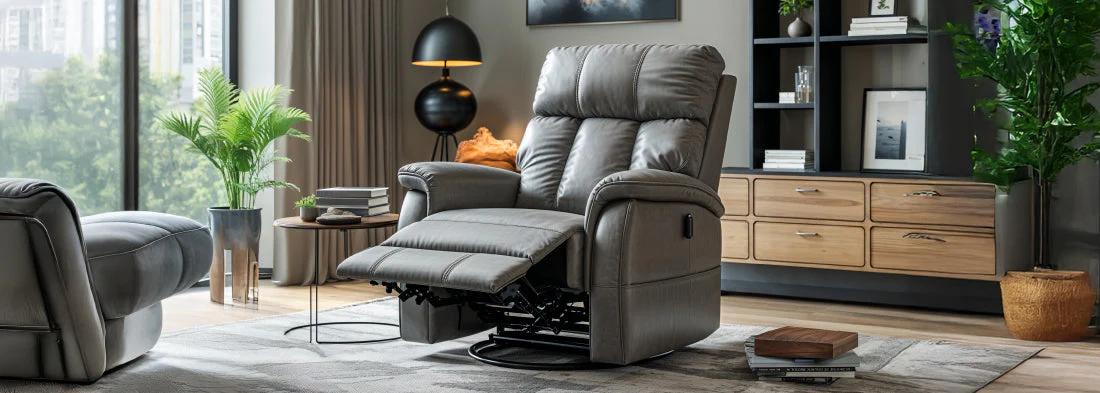
Finding the right recliner for an older adult who has difficulty gripping or pressing standard controls can make a significant difference in daily comfort and independence. The process involves more than just picking a comfortable chair—it requires careful attention to features that accommodate reduced hand strength, safety, and ease of use. This guide will help you understand what to look for and how to evaluate different options, ensuring you make a choice that supports both comfort and functionality.
For those who also need to adjust seat height or add extra support, you may find additional value in reading about tips for using a recliner with a cushion for extra height. Considering all aspects of accessibility can lead to a more satisfying and safe seating solution.
Key Features to Look for in Accessible Recliners
When considering how to choose a recliner for a senior with limited hand strength, focus on features that minimize the need for gripping, twisting, or applying force. Here are the most important elements to evaluate:
- Power Recline Mechanisms: Electric recliners with simple push-button controls or remote handsets are ideal. These require less physical effort than manual levers or handles.
- Large, Easy-to-Press Buttons: Look for remotes or control panels with oversized, clearly marked buttons. Tactile feedback and high-contrast labeling can further enhance usability.
- One-Touch Operation: Some recliners offer a single button to fully recline or return upright, reducing the need for multiple presses or complex sequences.
- Accessible Placement: Controls should be within easy reach and not require awkward stretching or repositioning.
- Sturdy Armrests: Wide, padded armrests provide support for getting in and out of the chair, especially when hand strength is reduced.
For those interested in the benefits of simplified controls, the article on benefits of a simple one-touch remote offers further insights into why these features matter for older adults.
Manual vs. Power Recliners: Which Is More Suitable?
One of the first decisions to make is whether to select a manual or powered model. Manual recliners typically use a lever or handle to adjust the position, which can be challenging for anyone with weak grip or arthritis. In contrast, power recliners rely on electric motors and are operated by pressing buttons or using a remote control.
According to this detailed comparison of manual and power recliners, powered options are generally more accessible for seniors with limited hand function. They offer smoother transitions and require minimal physical effort, making them a safer and more comfortable choice.

Evaluating Recliner Controls for Seniors With Weak Grip
Controls are a critical aspect when selecting a chair for someone with reduced hand strength. Here’s what to consider:
- Remote Size and Weight: Lightweight remotes with a non-slip surface are easier to hold and operate.
- Button Resistance: Controls should require minimal pressure to activate. Test the buttons in person if possible.
- Location: Remotes attached to the chair with a cord or pocket prevent them from being dropped or misplaced.
- Backlit or Illuminated Controls: These are helpful for seniors with vision challenges, especially in low-light conditions.
Some recliners also offer voice control or smartphone app integration, which can be a good solution for tech-savvy users who struggle with physical buttons.
Prioritizing Comfort and Support
While accessibility is essential, comfort should never be overlooked. Look for the following qualities:
- Ergonomic Design: Chairs with lumbar support and adjustable headrests help maintain proper posture and reduce fatigue.
- Plush Padding: Soft yet supportive cushioning can ease pressure on joints and make sitting for extended periods more pleasant.
- Wide Seat Base: A broader seat provides stability and makes transfers easier, especially for those who need assistance standing up.
- Material Choice: Easy-to-clean fabrics or leather are practical for everyday use and maintenance.
For guidance on keeping your recliner in top condition, see the article on how to clean a recliner after a spill, which covers practical cleaning tips for senior care environments.
Safety Considerations When Selecting a Recliner
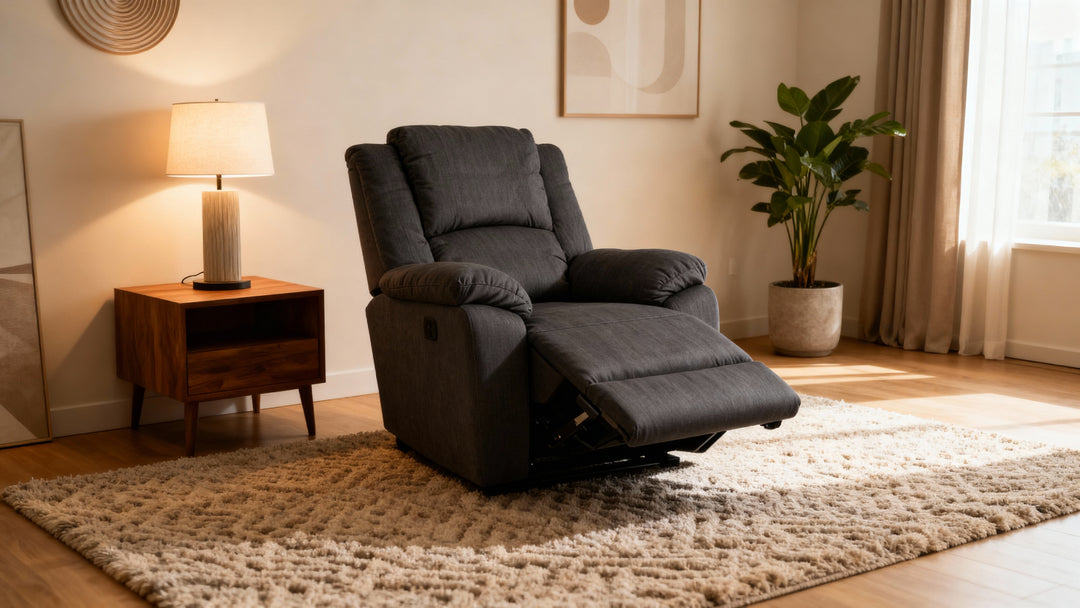
Safety is a top priority, especially for older adults with limited mobility or grip strength. Here are some essential safety features to look for:
- Stable Base: The recliner should have a wide, sturdy base to prevent tipping.
- Anti-Slip Feet: Rubberized or textured feet help keep the chair in place on various flooring types.
- Emergency Release: Some power recliners include a manual override in case of power failure, allowing the chair to return to an upright position.
- Certified Safety Standards: Always check for certifications and standards that ensure the recliner meets safety requirements. For more information, see the article on how to check a recliner’s safety certifications.
Additional Tips for Making the Right Choice
Beyond the primary features, consider these practical tips to ensure the best fit:
- Test in Person: Whenever possible, visit a showroom to try out the controls and comfort level.
- Read User Reviews: Look for feedback from other seniors or caregivers regarding ease of use and reliability.
- Check Warranty and Service: A good warranty and responsive customer service can provide peace of mind.
- Consider Future Needs: Choose a model that will continue to meet needs as mobility or strength changes over time.
If balance is also a concern, you may want to review the guide on how to choose a recliner for a senior with balance issues for additional safety and support recommendations.
FAQ
What type of recliner mechanism is best for someone with weak hands?
Power recliners with large, easy-to-press buttons or one-touch remotes are generally the best choice. These models require minimal hand strength and reduce the risk of strain or frustration.
Are there recliners with voice control for seniors?
Yes, some modern recliners offer voice-activated controls or smartphone integration, allowing users to adjust the chair without pressing physical buttons. This can be especially helpful for those with severe grip limitations.
How can I keep a recliner clean and hygienic for an older adult?
Choose a chair with removable, washable covers or easy-to-clean materials like leather or vinyl. For practical cleaning advice, see the article on how to clean a recliner after a spill.
What should I do if the remote is lost or too difficult to use?
Look for recliners with attached remotes or built-in control panels. Some brands offer replacement remotes or alternative control options, such as wall-mounted switches or smartphone apps.
Conclusion
Selecting the right chair for an older adult with limited hand strength involves balancing accessibility, comfort, and safety. By focusing on power mechanisms, intuitive controls, and supportive features, you can find a recliner that enhances both independence and well-being. Remember to test options in person when possible, consult user reviews, and consider future needs to ensure a long-lasting and satisfying investment.