

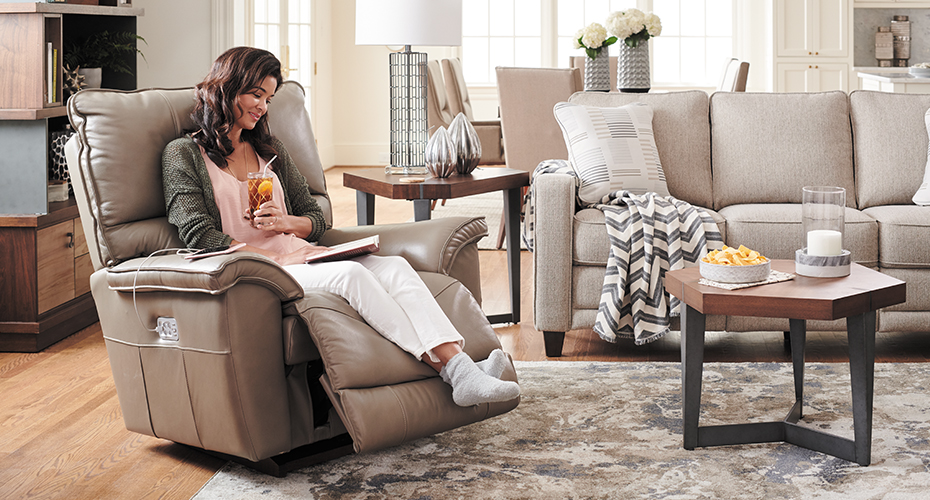
Finding the right recliner can make a significant difference for those experiencing leg swelling or poor circulation. The right chair not only offers comfort but also helps promote healthy blood flow and reduces discomfort. With so many options available, it’s important to understand what features matter most when selecting a recliner for these specific needs. This guide covers the essential factors, from ergonomic design to material choices, to help you make an informed decision and improve daily comfort.
Before diving into specific features, it’s helpful to consider related resources such as the benefits of a high backrest for seniors, which can further enhance comfort and support, especially for those with mobility or health concerns.
Why Recliner Choice Matters for Swollen Legs
Swelling in the legs, also known as edema, can be caused by a variety of factors including poor circulation, medical conditions, or long periods of sitting. A well-designed recliner can elevate the legs above heart level, helping to reduce swelling and improve blood flow. Choosing a chair that supports these needs is crucial for comfort and health.
- Elevation helps fluids drain from the lower extremities.
- Adjustable positions allow for personalized comfort and better circulation.
- Supportive cushioning prevents pressure points and discomfort.
Key Features to Look for in a Recliner for Leg Swelling
When searching for the best recliner to address leg swelling and circulation, several features stand out as essential. Here’s what to prioritize:
1. Leg Elevation and Adjustable Angles
The ability to raise your legs above your heart is one of the most important aspects when considering how to choose a recliner for leg swelling. Look for chairs that offer a full leg lift and multiple reclining angles, allowing you to find the most comfortable and therapeutic position.
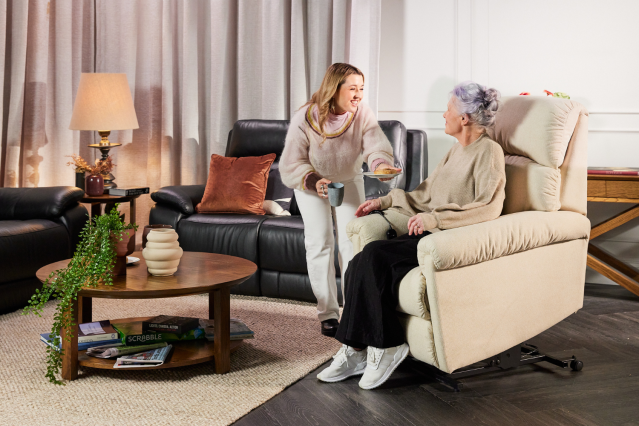
Some recliners offer infinite position adjustments, while others have set positions. Infinite position models are ideal for those who need frequent changes to relieve swelling or discomfort.
2. Power vs. Manual Recliners
Power recliners are often recommended for individuals with limited mobility or strength, as they allow for easy adjustment with the push of a button. Manual recliners require physical effort to operate, which may not be suitable for everyone. For a detailed comparison, see this guide to manual and power recliners that explains the pros and cons of each type.
3. Supportive Seat and Backrest Design
Proper lumbar and leg support is essential. Look for recliners with contoured cushions, high-density foam, and a supportive backrest. These features help maintain healthy posture and reduce pressure on sensitive areas. If you’re interested in optimizing your setup for a care environment, you might also explore how to select a recliner for a nursing home room for additional tips.
4. Material and Upholstery Considerations
Choose breathable, easy-to-clean fabrics that won’t trap heat or moisture. Leather and synthetic materials are popular for their durability, but some may prefer soft, hypoallergenic fabrics. Consider whether the upholstery is gentle on sensitive skin, especially if you’ll be spending long periods in the chair.
Additional Comfort and Health Features
Beyond the basics, some recliners offer extra features that can further aid circulation and comfort:
- Heat and massage functions to stimulate blood flow and relax muscles.
- Zero-gravity position to evenly distribute weight and reduce pressure on joints.
- Wide armrests and headrests for added stability and relaxation.
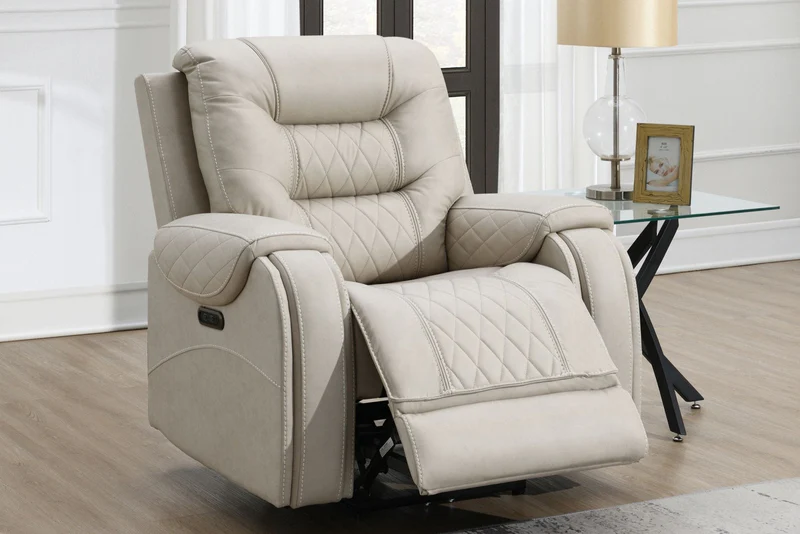
Some advanced models even include USB charging ports or side pockets for convenience, which can be helpful for those with limited mobility.
Safety and Accessibility Considerations
For individuals with mobility challenges, safety is a top priority. Look for features such as:
- Sturdy construction to prevent tipping or wobbling.
- Lift-assist mechanisms that help users stand up safely.
- Easy-to-reach controls for adjusting positions without straining.
It’s also wise to check if the recliner has non-slip feet or locking casters, especially if it will be used on hard floors.
How to Match Recliner Size and Fit to the User
Choosing the correct size is just as important as selecting the right features. A recliner that’s too large or too small can cause discomfort and reduce its effectiveness for managing swelling. Here’s how to ensure a good fit:
- Check seat width and depth to match the user’s body size.
- Ensure feet rest comfortably on the footrest when reclined, without dangling.
- Armrests should be at a comfortable height for support when sitting or standing.
Trying out different models in person, if possible, can help you find the perfect match. If shopping online, review the manufacturer’s sizing guide and user reviews for insight.
Maintenance and Durability Tips
To keep your recliner in top condition, choose a model with easy-to-clean upholstery and removable covers if possible. Regular maintenance, such as checking the reclining mechanism and cleaning the fabric, will extend the life of your chair. For those with powered models, learning how to replace a recliner motor can be helpful for long-term reliability.
Common Mistakes to Avoid When Selecting a Recliner
When focusing on circulation and swelling relief, avoid these pitfalls:
- Choosing a chair without adequate leg elevation.
- Overlooking the importance of supportive cushioning.
- Ignoring the user’s mobility needs (manual vs. power operation).
- Selecting the wrong size or fit for the user’s body.
Taking the time to assess your needs and compare features will help you avoid these common errors.
Frequently Asked Questions
What is the best recliner position for reducing leg swelling?
The most effective position is with the legs elevated above heart level. This encourages fluid drainage and reduces swelling. Many recliners offer a “zero-gravity” or full recline position for optimal results.
Are power recliners better than manual ones for circulation issues?
Power recliners are generally easier to adjust and allow for more precise positioning, making them a good choice for those managing circulation or swelling. However, manual recliners can also be effective if the user has the strength and mobility to operate them comfortably.
How can I prevent pressure sores when using a recliner for long periods?
Choose a recliner with high-quality, supportive cushioning and adjust your position regularly. For more tips, see our article on how to prevent pressure sores in recliners.
Do all recliners help with leg swelling?
No, not all recliners are designed for therapeutic elevation or support. Look for models specifically designed with leg elevation and adjustable positions to address swelling and circulation concerns.
Conclusion
Selecting the right chair for leg swelling and circulation requires careful consideration of features like leg elevation, adjustability, support, and safety. By focusing on these aspects and avoiding common mistakes, you can find a recliner that not only brings comfort but also supports your health and well-being. Take your time to compare options, consult with healthcare professionals if needed, and prioritize your unique needs for the best results.