

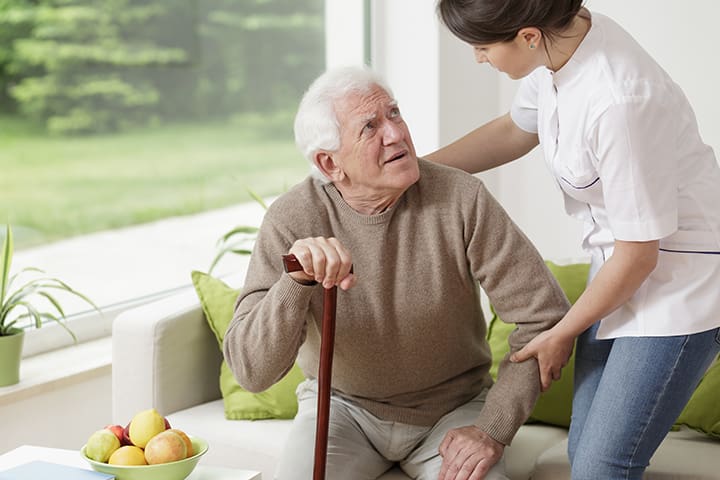
Maintaining a safe kitchen environment is essential for older adults who wish to live independently. The kitchen can be one of the most hazardous areas in the home, with risks ranging from burns and fires to slips and falls. Kitchen safety monitoring for seniors uses technology and smart practices to help prevent accidents, giving peace of mind to both seniors and their families.
With the right tools and strategies, it’s possible to reduce hazards and support independent living. This article explores practical solutions, monitoring devices, and tips to help older adults stay safe while preparing meals and enjoying their kitchens. For those interested in broader wellness trends, senior health insights from monitoring data can provide additional context on the benefits of home monitoring.
Why Kitchen Hazards Increase With Age
As people age, physical and cognitive changes can make everyday kitchen tasks more challenging. Reduced mobility, slower reflexes, and memory lapses can all contribute to an increased risk of accidents. Common dangers include:
- Burns and scalds from hot surfaces, liquids, or forgotten stovetops
- Fires caused by unattended cooking or faulty appliances
- Falls due to slippery floors or reaching for high shelves
- Food safety issues such as spoiled food or improper storage
Recognizing these risks is the first step in creating a safer kitchen environment for elderly individuals.
Smart Solutions for Kitchen Safety Monitoring
Modern technology offers a range of devices and systems designed to help prevent kitchen accidents. Kitchen safety monitoring for seniors often includes smart sensors, alarms, and remote monitoring tools that can alert caregivers or family members if something goes wrong.
- Stove shut-off devices: Automatically turn off the stove if left unattended for a set period.
- Motion sensors: Detect movement and can alert caregivers if there’s unusual activity or inactivity in the kitchen.
- Smoke and carbon monoxide detectors: Essential for early warning of fires or gas leaks.
- Video monitoring: Allows remote check-ins by family or caregivers, while respecting privacy.
- Bed and motion alarms: Notify caregivers if a senior leaves their bed at night and enters the kitchen, reducing nighttime wandering risks.
For more on how technology supports independence, see smart assistance for elderly independence.
Key Features to Look for in Monitoring Devices
When choosing technology for kitchen safety, it’s important to consider the specific needs of the senior and the layout of the home. Here are some features to prioritize:
- Ease of use: Devices should be simple to operate, with clear instructions and minimal setup.
- Remote alerts: Look for systems that send notifications to caregivers or family members via phone or email.
- Discreet design: Monitoring should not feel intrusive or reduce the senior’s sense of independence.
- Battery backup: Essential for continued operation during power outages.
- Integration with other smart home devices: For those interested in a more connected home, integrating kitchen safety monitoring with systems like smart locks or lighting can add another layer of security. See more in the future smart homes for seniors guide.
Practical Steps for a Safer Kitchen
Technology is only part of the solution. Simple changes to the kitchen environment and daily routines can greatly reduce risks:
- Keep frequently used items within easy reach to avoid climbing or stretching.
- Use non-slip mats on the floor and wipe up spills immediately.
- Label and organize food and cleaning supplies clearly.
- Install lever-style faucet handles for easier use.
- Use timers or smart plugs to prevent appliances from being left on.
- Ensure good lighting, especially over work areas and pathways.
Combining these practical steps with kitchen safety monitoring for seniors provides a comprehensive approach to accident prevention.
How Monitoring Supports Independence and Peace of Mind
One of the main benefits of using monitoring solutions is the reassurance they provide to both seniors and their loved ones. Knowing that there are safeguards in place can reduce anxiety and allow older adults to maintain their autonomy. Many families find that combining kitchen safety monitoring for seniors with regular check-ins and communication creates a supportive environment that respects privacy while addressing safety concerns.
For those interested in tracking daily routines and overall well-being, monitoring daily living activities can complement kitchen safety efforts.
Choosing the Right System for Your Needs
There is no one-size-fits-all solution. When selecting monitoring tools, consider:
- The senior’s comfort with technology
- The level of supervision needed
- Budget and ongoing costs
- Compatibility with existing devices
- Privacy preferences
Consulting with occupational therapists or home safety experts can help identify the best options for a specific situation. For a deeper look at sensor technologies, the article on sensors for elderly care provides valuable insights into how these solutions work and what to expect.
Additionally, real-time updates are increasingly popular for families who want instant notifications. Learn more about these advances in real time home monitoring for seniors.
FAQ: Kitchen Safety and Monitoring for Older Adults
What are the most common kitchen accidents among seniors?
The most frequent incidents include burns from hot surfaces or liquids, fires from unattended cooking, falls due to slippery floors, and food safety issues like spoiled food. Using monitoring devices and making small changes to the kitchen layout can help reduce these risks.
How do smart alarms and sensors help prevent accidents?
Smart alarms and sensors can detect unusual activity, such as a stove left on or a lack of movement, and send alerts to caregivers or family members. This allows for quick intervention before a minor issue becomes a serious accident.
Are kitchen monitoring systems difficult to install and use?
Most modern monitoring devices are designed for easy installation and user-friendly operation. Many are wireless and require minimal setup. It’s important to choose products that match the senior’s comfort level with technology.
Can monitoring devices respect privacy?
Yes, many systems are designed to be discreet and only send alerts when necessary. Video monitoring can be limited to certain times or areas, and motion sensors do not record personal details, focusing instead on safety-related activity.
Conclusion
Creating a safer kitchen for older adults is achievable with a combination of smart technology and practical adjustments. By adopting kitchen safety monitoring for seniors and making thoughtful changes to the home environment, families can help prevent accidents and support independent living. The right approach balances safety, privacy, and dignity, ensuring seniors can enjoy their kitchens with confidence.