

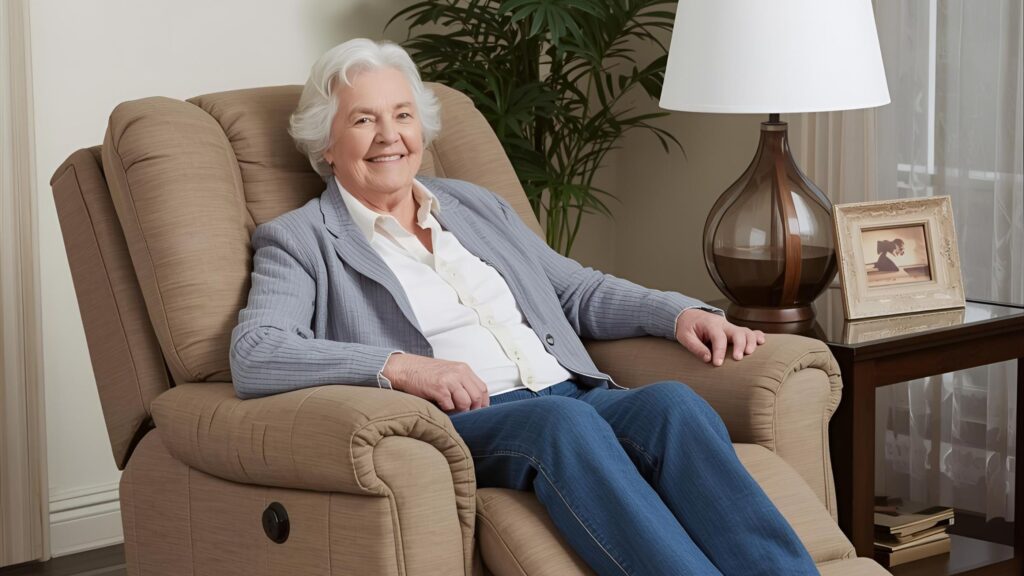
Swivel recliners have become a popular choice for older adults seeking both comfort and flexibility in their living spaces. These chairs offer a unique combination of features that can make daily life easier, but they also come with certain drawbacks that are important to consider. Understanding the pros and cons of swivel recliners for elderly individuals can help families and caregivers make informed decisions about seating options that best suit mobility, safety, and lifestyle needs.
In this article, we’ll explore the key advantages and disadvantages of these versatile chairs, focusing on how they impact seniors’ comfort, independence, and safety. We’ll also touch on related features, such as high backrests and storage options, that can further enhance the experience for older users. For those interested in learning more about the benefits of a high backrest for seniors, additional resources are available to help guide your decision.
Key Advantages of Swivel Recliners for Seniors
Swivel recliners offer several benefits that can make them especially appealing to older adults. Here are some of the main advantages:
- Enhanced Mobility and Accessibility: The swivel base allows users to turn the chair without standing up, making it easier to reach side tables, interact with others, or access different areas of the room. This can be particularly helpful for those with limited mobility or balance concerns.
- Adjustable Comfort: Most swivel recliners provide multiple reclining positions, allowing seniors to find the most comfortable angle for reading, watching TV, or napping. Some models also offer built-in footrests and headrests for additional support.
- Reduced Strain: The ability to rotate the chair can minimize the need for twisting or awkward movements, which can help prevent muscle strain or joint pain. This is especially important for those dealing with arthritis or back issues.
- Social Engagement: Swivel functionality makes it easier for users to turn and participate in conversations or activities, promoting a sense of inclusion and engagement.
For seniors who value convenience, features like cup holders in senior recliners or side pockets for storage can further enhance daily living by keeping essentials within easy reach.
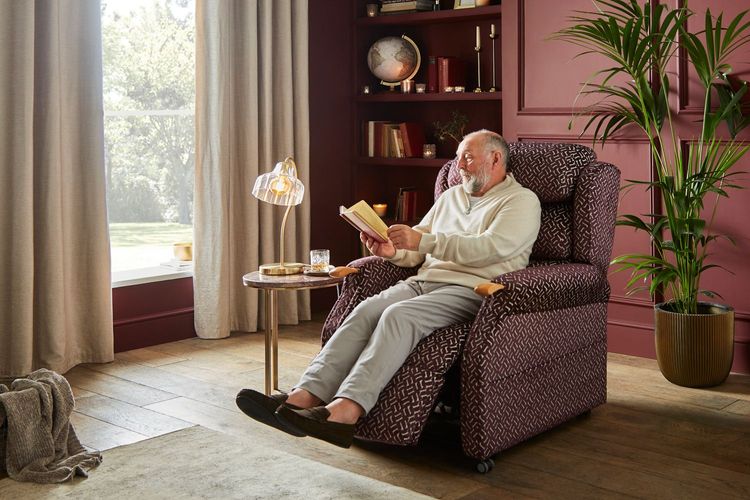
Potential Drawbacks to Consider
While there are many benefits, it’s important to weigh the possible disadvantages of these chairs for elderly users:
- Stability Concerns: Swivel bases can sometimes make the chair feel less stable, especially on uneven flooring or for users who have difficulty controlling their movements. This may increase the risk of tipping or falls.
- Complex Mechanisms: Some models feature levers, buttons, or power controls that may be confusing or challenging for individuals with limited dexterity or cognitive impairment.
- Space Requirements: Swivel recliners typically need more room to operate fully, both for the rotation and the reclining function. This can be a limitation in smaller living spaces.
- Maintenance and Durability: The moving parts in swivel mechanisms may require more frequent maintenance or repairs compared to stationary chairs. Over time, wear and tear can affect the smoothness of the swivel action.
For families concerned about home safety, practical tips such as how to hide recliner power cords for safety can help reduce tripping hazards and keep the living area secure.
How Swivel Recliners Support Independence
One of the main reasons families choose swivel recliners for older adults is to promote greater independence. The ability to rotate and recline without assistance can empower seniors to manage their own comfort and positioning. This is especially valuable for those who wish to remain self-sufficient in their daily routines.
In care home settings, research has shown that recliners can improve residents’ quality of life by providing ergonomic support and reducing the need for caregiver intervention. For more details, see this overview of how recliners benefit care home residents.
When selecting a chair, it’s important to consider the user’s height, weight, and specific needs. For petite individuals, a guide on how to select a recliner for petite elderly adults can help ensure a proper fit and optimal support.
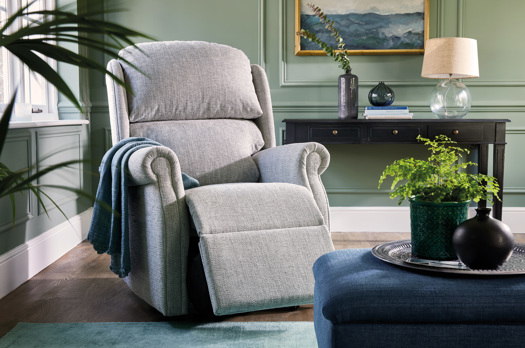
Choosing the Right Swivel Recliner for Older Adults
When shopping for a swivel recliner, there are several factors to keep in mind to maximize comfort and safety:
- Seat Height and Depth: The chair should allow the user’s feet to rest flat on the floor, with knees at a comfortable angle. This helps with stability when sitting down or standing up.
- Supportive Features: Look for models with firm lumbar support, padded armrests, and adjustable headrests. These elements can reduce fatigue and provide better posture.
- Ease of Use: Simple controls or manual levers are often preferable for seniors who may struggle with complex mechanisms.
- Material and Cleaning: Consider upholstery that is easy to clean and maintain, especially if incontinence or spills are a concern.
- Additional Amenities: Features like built-in cup holders or side pockets can add convenience and help keep personal items close at hand.
It’s also wise to test the chair in person, if possible, to ensure it feels stable and comfortable. Reading reviews and consulting with healthcare professionals can provide further guidance.
Comparing Swivel Recliners to Other Seating Options
While swivel recliners offer unique benefits, they are not the only choice for seniors. Here’s how they compare to other types of chairs:
| Feature | Swivel Recliner | Standard Recliner | Stationary Armchair |
|---|---|---|---|
| Swivel Function | Yes | No | No |
| Reclining Positions | Multiple | Multiple | Fixed |
| Space Needed | More | Moderate | Less |
| Stability | Moderate | High | High |
| Ease of Access | High | Moderate | Moderate |
This comparison highlights that while swivel recliners provide flexibility and ease of movement, they may not be the best fit for everyone. Assessing individual needs and preferences is crucial before making a purchase.
Frequently Asked Questions
Are swivel recliners safe for elderly users with balance issues?
Swivel recliners can be safe for many seniors, but those with significant balance or mobility challenges should use caution. The rotating base may feel less stable than a stationary chair, especially when getting in or out. Choosing a model with a locking mechanism or consulting with a healthcare provider can help address these concerns.
What features should I look for in a recliner for an older adult?
Key features include supportive cushioning, easy-to-use controls, sturdy construction, and additional amenities like cup holders or side pockets. Proper seat height and depth are also important for safe transfers. For more details, see our guide on the benefits of side pockets in senior recliners.
How can I maintain a swivel recliner to ensure longevity?
Regularly check the swivel mechanism for debris or wear, tighten any loose bolts, and clean upholstery according to manufacturer instructions. Avoid placing the chair on uneven surfaces to reduce wobbling and extend its lifespan.
Conclusion
Swivel recliners can offer significant comfort and flexibility for older adults, but it’s important to weigh both the advantages and potential drawbacks. By considering factors such as stability, ease of use, and available features, families can select a chair that enhances safety and independence. For those seeking additional guidance, exploring resources on choosing the right recliner for petite seniors or the benefits of a high backrest can further inform your decision. Ultimately, the best choice is one that meets the unique needs and preferences of the user, supporting both comfort and well-being in daily life.