

Maintaining balance and stability becomes increasingly important as we age. For older adults, improving these abilities can mean the difference between independence and the risk of falls. Senior balance training is a targeted approach that helps enhance coordination, muscle strength, and confidence in daily movements. These exercises and routines are designed to reduce the likelihood of falls, support mobility, and promote overall well-being.
Alongside physical activity, the right environment and supportive furniture can also make a significant difference. For example, understanding the benefits of a high backrest for seniors can help in choosing the best seating for comfort and posture, which complements balance-focused routines.

Why Balance Training Matters for Older Adults
As people grow older, natural changes in muscle mass, joint flexibility, and vision can make it harder to stay steady on their feet. According to research, falls are a leading cause of injury among seniors, often resulting in hospitalizations or reduced independence. Regular balance exercises help counteract these risks by strengthening the lower body, improving reaction time, and enhancing proprioception (the body’s sense of its position in space).
In addition to physical benefits, these routines can boost confidence and reduce the fear of falling, which is itself a risk factor for decreased activity and social isolation. Integrating senior balance training into a weekly routine is a proactive way to support both physical and mental health.
Key Components of Effective Balance Routines
The most successful programs for older adults combine several elements:
- Strength training for the legs, hips, and core muscles
- Flexibility exercises to maintain joint range of motion
- Static and dynamic balance activities, such as standing on one foot or walking heel-to-toe
- Functional movements that mimic daily tasks, like reaching or turning
- Safe progressions to gradually increase challenge as skills improve
It’s important to start with simple movements and increase difficulty only as confidence and ability grow. Consulting a physical therapist or certified trainer can help tailor a program to individual needs and health conditions.
Sample Exercises for Balance and Stability
Incorporating a variety of exercises can help address different aspects of stability. Here are some practical movements that can be performed at home or in a group setting:
- Heel-to-Toe Walk: Walk in a straight line, placing the heel of one foot directly in front of the toes of the other. This improves coordination and core engagement.
- Single-Leg Stand: Stand behind a sturdy chair and lift one foot off the ground, holding the position for 10–15 seconds. Switch legs and repeat.
- Side Leg Raises: Hold onto a chair for support and slowly lift one leg out to the side, keeping the back straight. Lower and repeat on the other side.
- Marching in Place: Lift knees high while standing, alternating legs. This helps with hip strength and balance.
- Seated Balance: Sit upright in a chair with feet flat on the floor. Gently lift one foot a few inches off the ground and hold, then switch sides.
Always ensure a safe environment by removing tripping hazards and using sturdy furniture for support. If dizziness or discomfort occurs, stop immediately and consult a healthcare professional.
Supporting Fall Prevention at Home
In addition to exercise, making adjustments in the living space can further reduce fall risks. Consider the following strategies:
- Install grab bars in bathrooms and near stairs
- Use non-slip mats in the shower and kitchen
- Ensure adequate lighting, especially at night
- Keep pathways clear of clutter and cords
- Choose supportive chairs with armrests and high backs for easier standing and sitting
For more insights on creating a comfortable and safe environment, explore the benefits of breathable fabrics for elderly skin to help prevent irritation and discomfort, which can affect mobility and confidence.
Tips for Safe and Effective Balance Workouts
To maximize the benefits of stability exercises, keep these practical tips in mind:
- Wear supportive, non-slip shoes
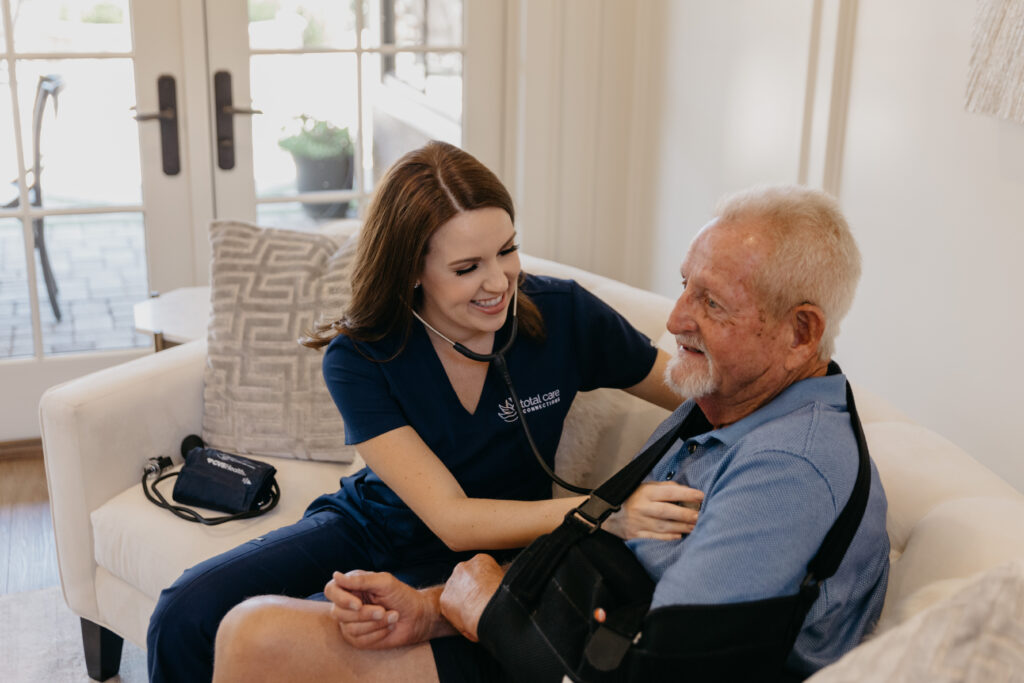
- Exercise with a partner or caregiver nearby if possible
- Start with short sessions and gradually increase duration
- Stay hydrated and take breaks as needed
- Listen to your body and avoid pushing through pain
For those with specific health concerns, such as joint pain or limited mobility, adapting exercises or using assistive devices can help maintain safety. Consulting a healthcare provider before starting a new regimen is always recommended.
Evidence Supporting Balance Training for Seniors
Multiple studies have demonstrated the effectiveness of structured balance routines in reducing fall rates and improving quality of life for older adults. For example, a recent review of balance interventions found that regular participation led to significant improvements in stability, muscle strength, and confidence in daily activities.
These findings highlight the value of making balance-focused routines a regular part of healthy aging. By staying active and attentive to environmental safety, seniors can maintain independence and reduce the risk of injury.
Frequently Asked Questions
How often should older adults practice balance exercises?
Most experts recommend performing balance activities at least two to three times per week. Consistency is key for building strength and coordination, but sessions can be brief—just 10 to 20 minutes can make a difference.
Can individuals with limited mobility benefit from balance routines?
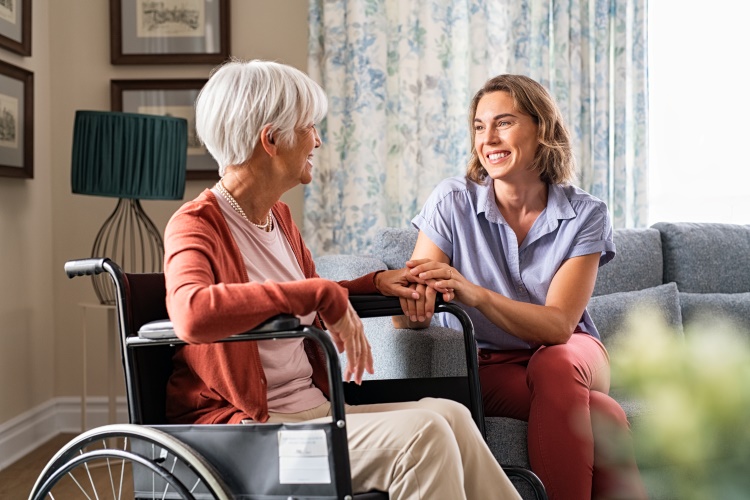
Yes, even those who use wheelchairs or have restricted movement can participate in adapted exercises. Seated routines and gentle movements can still help improve core strength and stability. Always consult a healthcare professional for personalized advice.
What are some signs that balance is improving?
Improvements may include increased confidence when walking, fewer stumbles, the ability to stand on one foot for longer periods, and greater ease in performing daily tasks. Tracking progress over time can be motivating and help identify areas for further focus.
Conclusion
Focusing on balance and stability is a practical way for older adults to maintain independence and reduce the risk of falls. By combining regular exercise, a safe home environment, and supportive products, seniors can enjoy greater mobility and confidence in their daily lives. For further reading on comfort and safety, consider learning about the advantages of lay-flat recliners for seniors or explore tips on using recliners for sleeping safely.