

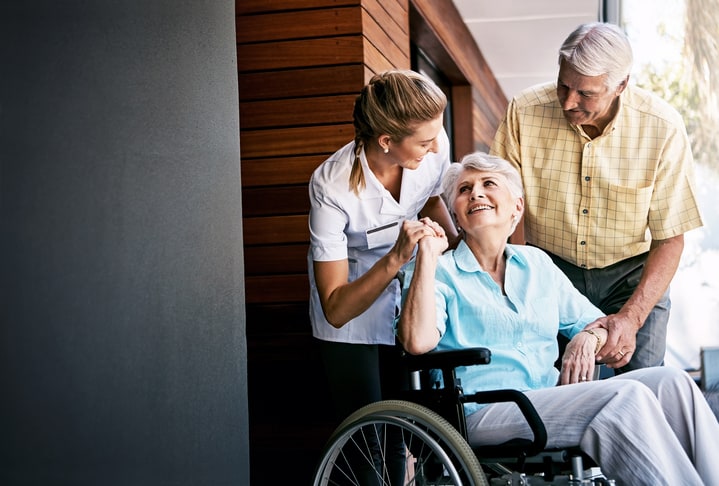
As people age, ensuring their safety and independence becomes a top priority for families and caregivers. The right senior emergency response solutions can make a significant difference in providing reassurance and rapid assistance during unexpected situations. With the growing range of devices and systems available today, older adults can maintain their autonomy while having reliable support at their fingertips.
From wearable alert buttons to advanced sensor-based monitoring, these resources are designed to address the unique needs of seniors living at home or in assisted care. In this article, we’ll explore the most effective tools, how they work, and what to consider when choosing the best options for your loved ones.
For those interested in optimizing comfort and safety in the home, learning about the benefits of a high backrest for seniors can further enhance daily living and well-being.
Why Emergency Response Matters for Older Adults
Quick access to help during medical incidents, falls, or other emergencies is critical for seniors. Delays in receiving assistance can lead to complications or prolonged recovery times. A well-chosen emergency response system for seniors bridges this gap, connecting users to caregivers or emergency services at the press of a button or automatically through sensors.
These systems not only provide practical support but also offer peace of mind to families, knowing their loved ones are never truly alone, even when living independently.
Types of Senior Emergency Response Solutions
There are several categories of tools designed to address the unique challenges faced by older adults. Understanding the differences can help you select the most appropriate option for your situation.
Wearable Alert Devices
Wearable devices, such as pendants and wristbands, allow users to call for help with a single press. Many models are waterproof and can be worn in the shower, where falls are common. Some advanced versions include automatic fall detection, which triggers an alert even if the user is unable to press the button.
In-Home Monitoring Systems
These systems use motion sensors, door contacts, and bed exit alarms to monitor activity and detect unusual patterns. For example, a bed exit alarm can notify caregivers if a senior leaves their bed at night and does not return within a set time, helping to prevent wandering or falls.
Mobile Medical Alert Systems
For seniors who are active outside the home, mobile alert systems use cellular networks and GPS tracking. These devices can summon help from anywhere and provide location data to responders, making them ideal for those who enjoy outdoor activities or travel frequently.
Key Features to Look For in Emergency Response Devices
Not all solutions are created equal. When evaluating emergency response tools for seniors, consider the following features to ensure the best fit:
- Ease of Use: Devices should have simple controls and clear instructions, suitable for users with limited dexterity or vision.
- Reliable Connectivity: Systems must maintain a stable connection, whether through landline, cellular, or Wi-Fi, to guarantee help is always accessible.
- Automatic Detection: Fall detection and inactivity monitoring add a layer of safety, especially for those who may not be able to call for help themselves.
- 24/7 Monitoring: Professional monitoring centers can dispatch emergency services or notify family members at any time, day or night.
- Battery Life: Long-lasting batteries and low-battery alerts prevent lapses in protection.
- Water Resistance: Devices that can be worn in the shower or bath offer protection where accidents are common.
Integrating Emergency Tools Into Daily Life
The most effective safety solutions are those that blend seamlessly into a senior’s routine. For example, motion sensor night lights can reduce the risk of nighttime falls by automatically illuminating pathways, while bed exit alarms provide immediate alerts if someone leaves their bed unexpectedly.
In addition to technology, simple adjustments like using breathable fabrics for elderly skin and ensuring furniture is safe and accessible can further reduce risks and support overall well-being.
Tips for Choosing the Right Emergency Response System
Selecting the best solution involves more than just comparing features. Here are some practical steps to guide your decision:
- Assess Individual Needs: Consider mobility, health conditions, and daily routines to determine which features are most important.
- Consult with Healthcare Providers: Doctors and occupational therapists can recommend suitable products based on medical history and living environment.
- Test for Comfort and Usability: Ensure the device is comfortable to wear or use, and that the senior feels confident operating it.
- Review Service Plans: Some systems require monthly fees for monitoring or cellular connectivity. Compare costs and contract terms before committing.
- Read Reviews and Seek Recommendations: Feedback from other families and professionals can provide valuable insights into reliability and customer support.
Additional Safety Resources for Seniors
Beyond technology, a holistic approach to safety includes home modifications, education, and regular check-ins. For a comprehensive list of practical ideas, explore these top safety tips for seniors to further reduce risks and promote confidence at home.
For those considering new furniture or sleep arrangements, understanding the risks of sleeping in a recliner for seniors and learning how to use a recliner for sleeping safely can be valuable.
Frequently Asked Questions
What is the most important feature in a senior emergency alert system?
The most critical feature is reliable, easy access to help—whether through a wearable button, automatic fall detection, or 24/7 monitoring. The system should be simple enough for the user to operate in any situation.
Are these tools suitable for seniors living alone?
Yes, many emergency response solutions for seniors are specifically designed for those living independently. They provide a direct link to caregivers or emergency services, ensuring help is always within reach.
How can I make sure my loved one uses their emergency device correctly?
Involve the senior in the selection process, provide clear instructions, and conduct regular practice drills. Choosing a comfortable, user-friendly device increases the likelihood of consistent use.
Conclusion
Investing in the right senior emergency response tools empowers older adults to live with greater confidence and security. By evaluating needs, comparing features, and integrating these solutions into daily life, families can support their loved ones’ independence while ensuring help is always available when it matters most.