

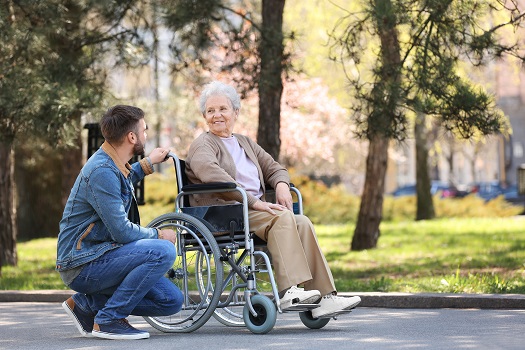
Supporting older adults in building confidence, maintaining independence, and continuing personal growth is essential for a fulfilling later life. Empowerment for seniors goes beyond physical health—it includes mental, social, and emotional well-being. By focusing on practical strategies, individuals and caregivers can help foster a sense of purpose and self-assurance in daily living.
This article explores actionable advice for older adults and those who support them, emphasizing self-reliance, ongoing learning, and the importance of a supportive environment. For those interested in optimizing comfort and safety at home, learning about the benefits of a high backrest for seniors can be a valuable resource.
Building Confidence in Later Life
Confidence is a cornerstone of senior empowerment. As people age, changes in health, mobility, or social roles can challenge self-esteem. However, there are effective ways to nurture a positive self-image and encourage a proactive mindset.
- Set Achievable Goals: Breaking larger tasks into small, manageable steps helps create a sense of accomplishment. Whether it’s learning a new skill or maintaining a daily routine, celebrating progress boosts morale.
- Stay Connected: Regular interaction with friends, family, or community groups can reduce feelings of isolation and reinforce self-worth.
- Embrace Lifelong Learning: Taking up new hobbies, attending workshops, or exploring online courses keeps the mind active and engaged.
- Practice Self-Compassion: Being kind to oneself and recognizing personal achievements, no matter how small, contributes to a healthier self-image.
Fostering Independence Through Daily Choices
Maintaining autonomy is a vital aspect of feeling empowered. Encouraging self-sufficiency, even in small ways, can make a significant difference in quality of life.
- Adapt the Living Environment: Simple modifications, such as improved lighting or accessible furniture, can support mobility and safety. For example, choosing furniture with breathable fabrics can enhance comfort, as explained in the benefits of breathable fabrics for elderly skin.
- Encourage Decision-Making: Allowing older adults to make choices about their daily routines, meals, or activities reinforces their sense of control.
- Promote Safe Physical Activity: Gentle exercises, such as walking or stretching, help maintain strength and balance. For more ideas, see these mobility exercises for seniors.
- Leverage Assistive Devices: Tools like grab bars, motion sensor night lights, or bed exit alarms can support independence while enhancing safety.
Encouraging Personal Growth and Lifelong Learning
Growth does not stop with age. In fact, pursuing new interests and expanding knowledge can be especially rewarding in later years. This approach not only supports mental agility but also provides a sense of accomplishment and purpose.
- Explore New Hobbies: Painting, gardening, music, or language learning are just a few options that stimulate creativity and joy.
- Volunteer or Mentor: Sharing wisdom and experience with others, whether through volunteering or mentoring, can be deeply fulfilling and reinforce a sense of value.
- Stay Informed: Keeping up with current events or technology helps older adults remain engaged with the world around them.
- Join Clubs or Groups: Participating in book clubs, walking groups, or online communities provides opportunities for socialization and learning.
Creating a Supportive Environment for Empowerment
The right environment plays a crucial role in fostering senior empowerment. Family members, caregivers, and communities can all contribute to an atmosphere that encourages growth and self-reliance.
- Open Communication: Encourage honest conversations about needs, preferences, and concerns. Listening and responding with empathy builds trust.
- Respect Autonomy: Support older adults in making their own decisions whenever possible, even if it means allowing for mistakes or learning experiences.
- Provide Resources: Share information about local programs, transportation options, or adaptive tools that can enhance daily living.
- Celebrate Achievements: Recognize and applaud milestones, whether big or small, to reinforce confidence and motivation.

Practical Tools and Products That Support Autonomy
Technology and thoughtful product choices can make daily life easier and safer for older adults. From lighting solutions that prevent falls to alarms that alert caregivers, these tools are designed to enhance independence and peace of mind.
- Motion Sensor Night Lights: These provide gentle illumination, reducing the risk of trips and falls during nighttime movement.
- Bed Exit Alarms: Useful for individuals at risk of falling or wandering, these alarms notify caregivers when someone leaves the bed.
- Recliners and Supportive Furniture: Choosing the right chair can improve comfort and posture. Learn more about what is a lay flat recliner for seniors to find suitable options.
- Accessible Home Modifications: Installing grab bars, ramps, or non-slip mats helps maintain safety and confidence at home.
Overcoming Common Barriers to Senior Empowerment
While striving for greater autonomy and confidence, older adults may face challenges such as health concerns, limited mobility, or societal attitudes. Addressing these barriers requires a combination of practical solutions and emotional support.
- Address Health Issues Promptly: Regular check-ups and open communication with healthcare providers help manage chronic conditions and prevent complications.
- Promote Safe Sleep Practices: Understanding the risks of sleeping in a recliner for seniors can help make informed choices about rest and comfort.
- Challenge Ageism: Encourage positive attitudes about aging and highlight the contributions of older adults in the community.
- Seek Support Networks: Connecting with peers, support groups, or professionals can provide encouragement and practical advice.
Frequently Asked Questions
What are some easy ways to boost confidence in older adults?
Simple steps like setting small, achievable goals, encouraging social interaction, and celebrating personal achievements can help build self-esteem. Providing opportunities for learning and involvement in decision-making also supports a positive self-image.
How can seniors maintain independence at home?
Adapting the home environment with safety features, using assistive devices, and staying physically active are effective strategies. Encouraging autonomy in daily choices and providing access to community resources further supports independent living.
What role does lifelong learning play in senior empowerment?
Lifelong learning keeps the mind active, fosters a sense of purpose, and encourages social engagement. Whether through hobbies, volunteering, or formal education, ongoing growth contributes to overall well-being and empowerment.