

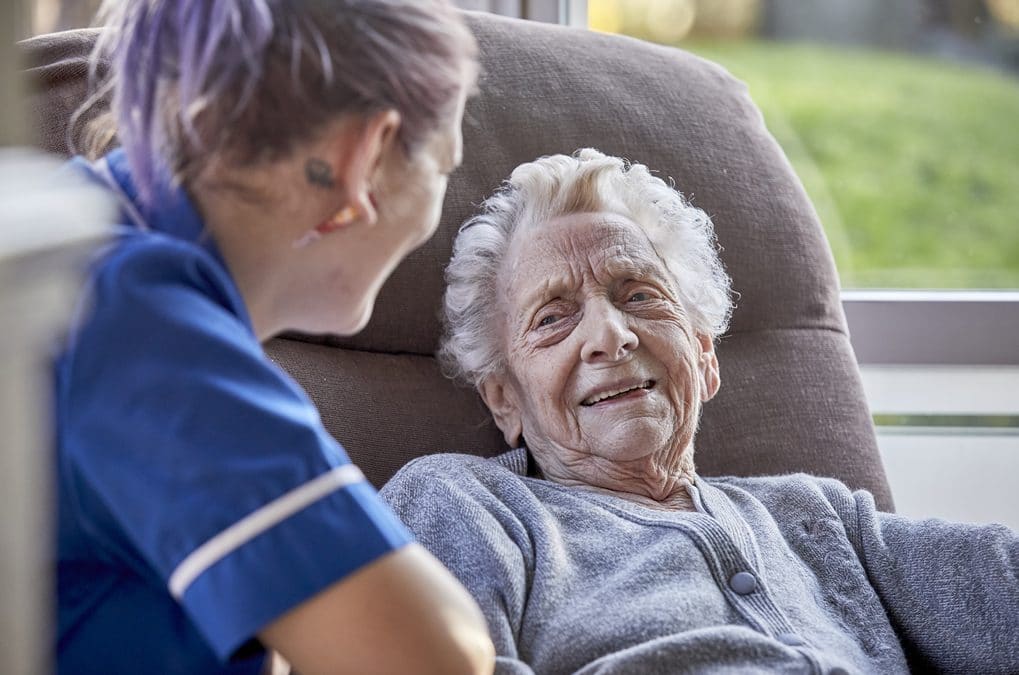
As people age, maintaining independence and well-being becomes increasingly important. Advances in senior health monitoring technology have made it easier than ever to support older adults in living safely at home or in assisted living environments. These devices can track vital signs, detect falls, and send alerts to caregivers or family members, offering peace of mind and improved quality of life.
Whether you are a caregiver, a family member, or a senior looking to enhance your daily safety, understanding the range of available monitoring solutions is crucial. Alongside medical alert systems, innovations like motion sensors, wearable trackers, and smart home integrations are transforming the way we approach elder care. For those interested in optimizing comfort as well as safety, learning about the benefits of a high backrest for seniors can further support overall wellness.
Why Modern Devices Matter for Older Adults
The growing population of seniors worldwide has led to a surge in demand for effective health and safety solutions. Traditional check-ins and phone calls are helpful, but they cannot provide real-time updates or immediate alerts in emergencies. That’s where senior health monitoring devices come in, offering continuous support and reducing the risks associated with living alone or managing chronic conditions.
These technologies are not just about emergency response. Many systems now offer proactive wellness tracking, helping to identify patterns or issues before they become serious. This shift from reactive to preventive care is a game-changer for both seniors and their support networks.
Types of Senior Health Monitoring Solutions
There is a wide variety of monitoring tools available, each designed to address specific needs. Here are some of the most popular categories:
- Wearable Devices: Smartwatches and pendants can track heart rate, steps, sleep quality, and even detect falls. Many offer emergency call buttons that connect directly to caregivers or emergency services.
- In-Home Sensors: Motion detectors, door sensors, and bed exit alarms can monitor movement patterns and alert caregivers to unusual activity or potential accidents.
- Remote Vital Sign Monitors: Devices that measure blood pressure, glucose, oxygen saturation, and more, transmitting data to healthcare providers for ongoing assessment.
- Medication Management Tools: Smart pill dispensers remind users to take medications and notify caregivers if a dose is missed.
- Environmental Safety Devices: Smoke detectors, carbon monoxide alarms, and smart lighting systems help prevent accidents and improve nighttime safety.

Key Features to Look for in Monitoring Technology
Choosing the right system depends on the unique needs of the individual and their living environment. Consider these important features when evaluating options:
- Ease of Use: Devices should have intuitive controls and clear displays, suitable for users with limited dexterity or vision.
- Automatic Alerts: Look for systems that send notifications to caregivers or family members in case of emergencies or unusual activity.
- 24/7 Monitoring: Continuous tracking ensures that help is available at any time, day or night.
- Remote Access: Many solutions offer smartphone apps or web portals, allowing loved ones to check in from anywhere.
- Integration with Other Devices: Some platforms can connect with smart home equipment, such as lighting or thermostats, for added safety and comfort.
- Battery Life and Reliability: Long-lasting batteries and backup power options are essential for uninterrupted protection.
How Monitoring Devices Support Independence and Peace of Mind
For many older adults, the desire to remain in their own homes is strong. Monitoring technology helps make this possible by reducing risks and providing reassurance. Caregivers and family members can receive instant updates, while seniors benefit from knowing that help is always within reach.
These systems can also encourage more active lifestyles. By tracking activity levels and sleep patterns, users and their healthcare providers can make informed decisions about exercise, rest, and overall wellness. This proactive approach supports both physical and mental health, contributing to a higher quality of life.
For those interested in enhancing comfort as well as safety, exploring the benefits of breathable fabrics for elderly skin can further improve daily living.

Integrating Monitoring Devices with Home Health Services
Many seniors benefit from a combination of technology and professional care. Home health services can use data from monitoring devices to tailor care plans, respond quickly to changes, and coordinate with family members. For more information on what home-based care can include, visit the official Medicare home health services coverage page.
Combining remote monitoring with in-person support creates a comprehensive safety net. This approach helps seniors maintain autonomy while ensuring that help is available when needed.
Tips for Choosing and Using Senior Health Monitoring Tools
- Assess Individual Needs: Consider medical conditions, mobility, cognitive abilities, and living arrangements before selecting a system.
- Involve the User: Engage the senior in the decision-making process to ensure comfort and acceptance.
- Test the System: Set up devices and run through emergency scenarios to confirm everything works as expected.
- Review Privacy Policies: Make sure data is handled securely and only shared with authorized individuals.
- Stay Updated: Regularly check for software updates or new features that can enhance safety and usability.
If you’re looking for additional ways to support restful sleep and safety, you may also want to learn about how to use a recliner for sleeping and the risks of sleeping in a recliner for seniors.
Frequently Asked Questions
What are the main benefits of using health monitoring devices for seniors?
These devices provide real-time alerts in emergencies, help track wellness trends, and support independent living. They also give caregivers and family members peace of mind by ensuring that help is always accessible.
How do I choose the right monitoring system for my loved one?
Start by evaluating the individual’s health needs, mobility, and daily routines. Look for user-friendly features, reliable alerts, and compatibility with other home safety tools. Involving the senior in the selection process can also improve satisfaction and usage.
Can monitoring devices be integrated with professional home care services?
Yes, many home care providers use data from these devices to customize care plans and respond quickly to changes in health status. This integration enhances both safety and the effectiveness of in-home care.
Are these devices covered by insurance or Medicare?
Some monitoring solutions may be partially covered by insurance or Medicare, especially if prescribed by a healthcare provider. For detailed information, refer to the Medicare coverage guidelines for home health services.
What steps can I take to ensure privacy and data security?
Choose reputable brands with strong privacy policies, use secure passwords, and limit data sharing to trusted caregivers and healthcare professionals. Regularly update device software to protect against vulnerabilities.