


Staying physically active is essential for older adults who want to maintain independence, mobility, and overall well-being. As more seniors embrace regular movement, keeping track of exercise routines has become increasingly important. Senior exercise tracking helps individuals and caregivers monitor progress, set realistic goals, and ensure that physical activities are both safe and effective.
Whether you’re a senior looking to stay motivated or a caregiver supporting an older loved one, understanding the best ways to monitor fitness can make a real difference. Tools, techniques, and strategies for tracking movement can help identify what works, prevent injury, and celebrate milestones along the way.
For those interested in optimizing comfort during physical activity, exploring the benefits of a high backrest for seniors can be a helpful resource, especially when considering rest and recovery after exercise.
Why Monitoring Physical Activity Matters for Older Adults
Keeping a close eye on daily movement offers several advantages for seniors. Not only does it provide a clear picture of progress, but it also helps ensure that activities are performed safely and consistently. Here are some of the main benefits:
- Motivation and Accountability: Tracking routines encourages regular participation and helps maintain motivation over time.
- Early Detection of Issues: Monitoring can reveal changes in mobility, balance, or endurance, allowing for early intervention if problems arise.
- Personalized Goal Setting: Seniors can set achievable goals based on their unique needs and adjust routines as they progress.
- Communication with Healthcare Providers: Having a record of activity makes it easier to discuss health and mobility with doctors or therapists.
Popular Methods for Senior Exercise Tracking
There are several effective ways to keep tabs on physical activity, ranging from traditional pen-and-paper logs to modern digital solutions. The best method depends on personal preference, comfort with technology, and physical abilities.
Paper Journals and Activity Logs
For those who prefer simplicity, a notebook or printed log can be a reliable way to record exercises, duration, and how the body feels after each session. This method is accessible and doesn’t require any devices or internet access.
Wearable Devices and Smart Watches
Many seniors are turning to wearable technology to help monitor their movement. Devices like smart watches can track steps, heart rate, distance, and even remind users to move if they’ve been sedentary for too long. These tools often sync with apps, making it easy to review progress over time.

Mobile Apps for Fitness Monitoring
Smartphone and tablet applications offer a convenient way to log workouts, set reminders, and visualize progress. Some apps are designed specifically for older adults, featuring large buttons, simple interfaces, and voice prompts. For a deeper look at useful digital tools, see this guide to essential health and wellness apps for older adults.
Assisted Tracking with Caregivers or Family
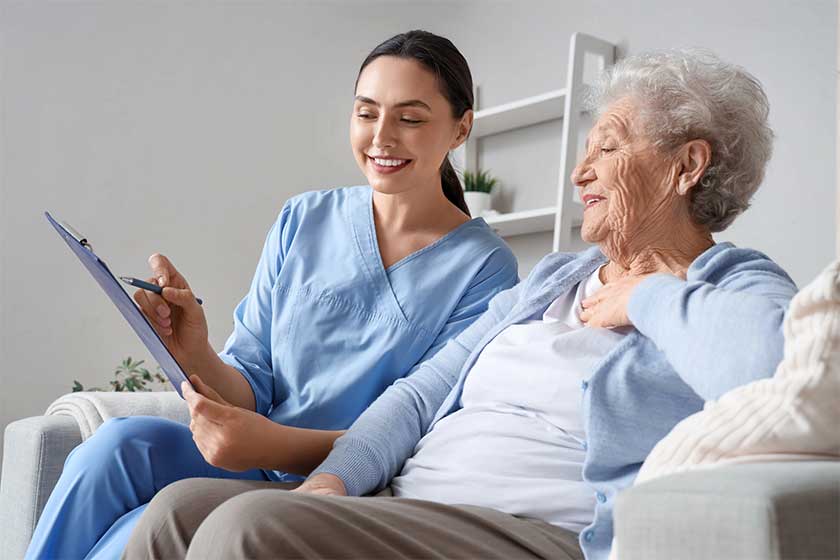
Not everyone is comfortable with technology, and that’s okay. Caregivers or family members can help by observing, recording, and encouraging regular movement. This collaborative approach can also strengthen relationships and provide additional support.
Key Features to Look for in Exercise Tracking Tools
When choosing a method or device for monitoring physical activity, certain features can make the process easier and more effective for seniors:
- Ease of Use: Simple interfaces, large text, and clear instructions are essential.
- Accessibility: Voice commands, tactile buttons, and compatibility with assistive devices can help those with limited dexterity or vision.
- Reminders and Alerts: Gentle prompts encourage consistency and help prevent missed sessions.
- Data Sharing: The ability to share progress with healthcare professionals or family members can improve support and care.
- Safety Features: Some devices offer fall detection or emergency alerts, adding peace of mind during activity.
Tips for Safe and Effective Movement Monitoring
Tracking movement is most beneficial when paired with safe exercise habits. Here are some practical tips to maximize the benefits:
- Start with a health assessment from a doctor or physical therapist before beginning any new routine.
- Set realistic, measurable goals that reflect current abilities and desired outcomes.
- Choose activities that are enjoyable and sustainable, such as walking, stretching, or gentle strength training.
- Monitor for signs of fatigue, pain, or dizziness, and adjust routines as needed.
- Celebrate progress, no matter how small, to stay motivated and positive.
Integrating Tracking Into Daily Routines
Making movement monitoring part of everyday life doesn’t have to be complicated. Here are a few strategies to build consistency:
- Schedule activity at the same time each day to create a habit.
- Keep tracking tools visible and accessible, such as placing a journal by the door or wearing a smart watch throughout the day.
- Combine tracking with other healthy habits, like hydration or medication reminders.
- Share progress with friends, family, or support groups for encouragement and accountability.
For those spending time at home, comfort can play a big role in sticking with routines. Learning about the benefits of breathable fabrics for elderly skin can help ensure that clothing supports both activity and comfort.
Overcoming Common Challenges in Movement Monitoring
While tracking physical activity offers many benefits, some seniors may face obstacles such as limited mobility, unfamiliarity with technology, or lack of motivation. Overcoming these challenges often involves:
- Choosing the simplest method that fits personal preferences and abilities.
- Seeking support from caregivers, family, or community programs.
- Adapting routines to accommodate health changes or physical limitations.
- Focusing on progress rather than perfection—every bit of movement counts.
Frequently Asked Questions
What types of activities should seniors track for better health?
Older adults can benefit from monitoring a variety of activities, including walking, stretching, strength exercises, balance routines, and even light household chores. The key is to track any movement that contributes to overall mobility and well-being.
Are wearable devices safe and easy for seniors to use?
Many modern wearables are designed with older adults in mind, featuring large displays, simple controls, and safety features like fall detection. It’s important to choose a device that matches the user’s comfort level and physical abilities.
How can caregivers help with exercise tracking?
Caregivers can assist by setting up tracking tools, recording activities, providing reminders, and offering encouragement. They can also help interpret data and communicate progress to healthcare providers if needed.
Conclusion
Embracing senior exercise tracking empowers older adults to take charge of their health, stay motivated, and enjoy the benefits of an active lifestyle. With a range of tools and methods available, there’s a solution for every preference and ability level. By making movement monitoring part of daily routines and seeking support when needed, seniors can continue to thrive, maintain independence, and enhance their quality of life.