

Maintaining a consistent wellness routine is essential for older adults who want to stay healthy, independent, and engaged in daily life. As we age, keeping track of habits, medications, appointments, and self-care activities can become challenging. Fortunately, elderly wellness routine tracking has never been more accessible, thanks to a range of practical strategies and modern tools. This article explores how seniors and caregivers can simplify daily health management, boost motivation, and ensure nothing important slips through the cracks.
Whether you’re supporting a loved one or managing your own routines, understanding the best ways to monitor and maintain healthy habits can make a significant difference. From simple checklists to smart technology, there are solutions for every comfort level and need.
For those interested in optimizing comfort and support at home, learning about the benefits of a high backrest for seniors can further enhance daily well-being.
Why Routine Tracking Matters for Senior Wellness
Establishing and maintaining daily routines helps older adults manage their health, remember important tasks, and maintain independence. Tracking wellness routines for seniors provides several key benefits:
- Improved Medication Adherence: Keeping a record of medications reduces the risk of missed doses or accidental double-dosing.
- Better Symptom Monitoring: Recording changes in mood, appetite, or sleep can help identify early signs of health issues.
- Enhanced Motivation: Visual progress tracking encourages consistency and a sense of accomplishment.
- Support for Caregivers: Routine logs make it easier for family members and professionals to coordinate care and spot concerns early.
According to the Alzheimer’s Society, using calendars and visual reminders is especially helpful as memory challenges progress, providing structure and reassurance.
Simple Tools for Tracking Daily Wellness Habits
There are many ways to monitor daily routines, from traditional pen-and-paper methods to digital solutions. The right approach depends on personal preferences, comfort with technology, and the complexity of the wellness plan.
Paper-Based Methods
For many seniors, physical checklists, journals, or wall calendars are familiar and easy to use. These tools can be placed in visible locations, such as the kitchen or bedroom, to serve as daily reminders. Some common paper-based tracking methods include:
- Daily Checklists: Mark off tasks like taking medication, exercising, or drinking water.
- Symptom Journals: Note changes in pain, mood, or appetite each day.
- Appointment Calendars: Keep track of doctor visits, therapy sessions, and social activities.
Digital Solutions for Modern Tracking
For those comfortable with technology, digital tools can automate reminders and provide detailed insights. Options include:
- Smart Watches and Fitness Trackers: Devices can monitor steps, heart rate, sleep, and send medication alerts.
- Mobile Apps: Health and wellness apps allow users to log habits, set reminders, and share data with caregivers or family.
- Voice Assistants: Devices like smart speakers can announce reminders for medications, hydration, or appointments.
Choosing the right technology depends on ease of use, accessibility features, and compatibility with existing routines. Many smart devices are now designed with seniors in mind, featuring large displays, simple navigation, and emergency alert functions.
Key Elements to Include in a Senior Wellness Routine
Effective elderly wellness routine tracking covers more than just medication. Consider these important areas:
- Medication Management: Track doses, times, and any side effects.
- Physical Activity: Record walks, stretching, or exercise sessions.
- Nutrition and Hydration: Monitor meals, snacks, and daily water intake.
- Personal Hygiene: Keep a log of bathing, oral care, and grooming.
- Sleep Patterns: Note bedtime, wake time, and sleep quality.
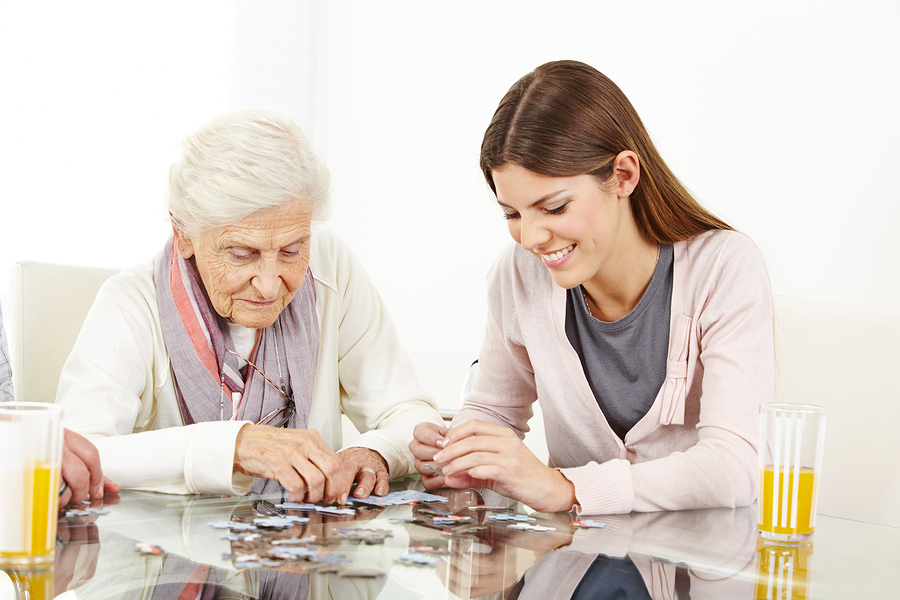
- Mental and Social Engagement: Include activities like puzzles, reading, or phone calls with friends.

Including these elements ensures a holistic approach to senior health, supporting both physical and emotional well-being.
Tips for Making Tracking Routines Simple and Sustainable
Consistency is key to successful wellness routine monitoring for seniors. Here are some practical tips to make the process easier:
- Start Small: Focus on tracking one or two habits before expanding to more areas.
- Use Visual Cues: Place reminders in high-traffic areas, such as the refrigerator or bathroom mirror.
- Set Regular Check-Ins: Review progress weekly with a family member or caregiver.
- Celebrate Achievements: Acknowledge milestones, no matter how small, to build motivation.
- Adapt as Needed: Adjust routines and tracking methods if health needs or abilities change.
For those interested in optimizing comfort during rest, learning about the how to use a recliner for sleeping can provide additional support for daily routines.
Common Challenges and How to Overcome Them
Even with the best intentions, tracking routines can present obstacles. Some common challenges include:
- Forgetfulness: Use alarms, sticky notes, or enlist a buddy system for reminders.
- Resistance to Change: Introduce new tracking methods gradually and explain their benefits.
- Physical Limitations: Choose tools that are easy to handle, with large print or voice activation for accessibility.
- Lack of Motivation: Involve friends or family for encouragement and accountability.
By anticipating these challenges and planning solutions, seniors and caregivers can create routines that are both effective and enjoyable.
FAQ: Elderly Wellness Routine Tracking
What should be included in a senior’s daily wellness log?
A comprehensive log should cover medication times, meals, hydration, physical activity, sleep patterns, personal hygiene, and any symptoms or mood changes. This helps ensure all aspects of health are monitored and can be shared with caregivers or healthcare providers.
How can technology help with wellness routine tracking for older adults?
Technology such as smart watches, mobile apps, and voice assistants can automate reminders, track health metrics, and provide easy ways to record daily habits. Many devices are designed with seniors in mind, offering simple interfaces and accessibility features.
What if my loved one resists using new tracking tools?
Start with familiar methods, like paper checklists or wall calendars, and introduce new tools gradually. Involve them in choosing the method that feels most comfortable, and explain how tracking can support their independence and well-being.
For more on comfort and skin health, see the benefits of breathable fabrics for elderly skin.
Conclusion: Building Lasting Healthy Habits
Keeping track of daily routines is a cornerstone of healthy aging. By choosing the right tools and strategies, older adults and caregivers can simplify the process, reduce stress, and foster greater independence. Whether using simple checklists or embracing smart technology, the key is to find an approach that fits individual needs and lifestyles. With a thoughtful plan in place, maintaining wellness routines becomes a manageable and rewarding part of everyday life.