

Providing family caregiving for seniors is a deeply meaningful responsibility that comes with both rewards and challenges. Whether you are supporting an aging parent, spouse, or another loved one, your role is crucial in helping them maintain dignity, comfort, and safety at home. This guide offers practical advice for those caring for older adults, covering essential topics such as communication, safety, daily routines, and emotional support.
As you navigate the journey of caregiving, it’s important to remember that you’re not alone. Many families face similar questions about how to best assist their loved ones, from adapting the living environment to understanding the benefits of specialized products. For example, learning about the benefits of a high backrest for seniors can make a significant difference in comfort and posture for those with mobility or neck issues.

Understanding the Role of a Family Caregiver
Taking on the responsibility of supporting an elderly family member means wearing many hats. You may find yourself assisting with daily activities, managing medications, coordinating medical appointments, and providing emotional reassurance. The scope of family caregiving for seniors often evolves over time as needs change.
- Physical support: Helping with mobility, bathing, dressing, and meal preparation.
- Medical management: Keeping track of medications, doctor visits, and health monitoring.
- Emotional connection: Offering companionship, encouragement, and understanding.
- Advocacy: Communicating with healthcare professionals and ensuring your loved one’s wishes are respected.
Building a Safe and Comfortable Home Environment
One of the most important aspects of caring for older adults is ensuring their living space is both safe and comfortable. Simple modifications can help prevent accidents and support greater independence.

Home Safety Essentials
- Install grab bars in bathrooms and near stairs.
- Use non-slip mats and remove loose rugs to prevent falls.
- Ensure hallways and rooms are well-lit, especially at night.
- Consider products like motion sensor night lights and bed exit alarms for added peace of mind.
- Keep frequently used items within easy reach to avoid unnecessary bending or stretching.
For a comprehensive list of ways to enhance safety, you can review these 50 safety tips for seniors.
Comfort and Well-Being
Beyond safety, comfort is vital for quality of life. Supportive seating, breathable fabrics, and proper bedding can help prevent discomfort and skin issues. For those spending extended periods seated, exploring the benefits of breathable fabrics for elderly skin may be helpful.
Effective Communication and Emotional Support
Compassionate communication is at the heart of successful caregiving. Listening attentively, speaking clearly, and showing patience can ease frustration and help your loved one feel valued.
- Active listening: Give your full attention and acknowledge their feelings.
- Clear, simple language: Avoid jargon and speak at a comfortable pace.
- Encouragement: Celebrate small achievements and offer reassurance.
- Respect: Involve your loved one in decisions about their care whenever possible.
Emotional support also means recognizing signs of loneliness, anxiety, or depression. Encourage participation in social activities, even if it’s just a phone call or a shared meal. If you notice significant changes in mood or behavior, consult a healthcare professional for guidance.
Managing Daily Routines and Promoting Independence
Establishing predictable routines can provide structure and reduce stress for both caregivers and seniors. Whenever possible, involve your loved one in daily tasks to foster independence and self-esteem.
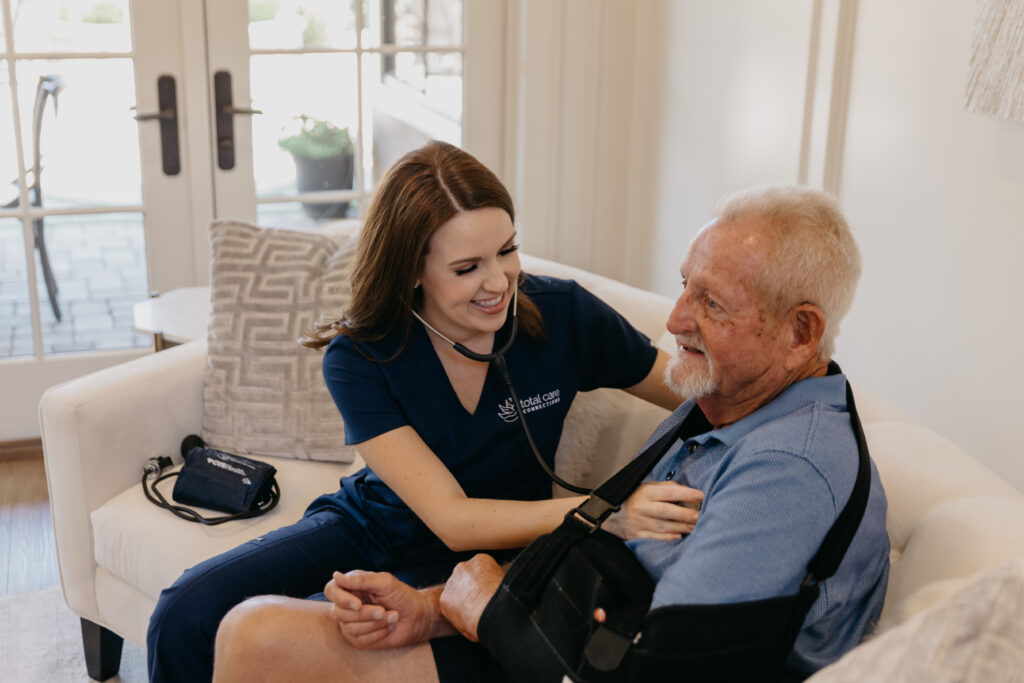
Encouraging Participation
- Let your loved one choose their clothing or help with meal preparation.
- Offer adaptive tools or mobility aids to make tasks easier.
- Break activities into manageable steps and allow extra time.
- Use positive reinforcement to build confidence.
If your loved one has trouble sleeping or needs extra support at night, consider learning about how to use a recliner for sleeping or reviewing the risks of sleeping in a recliner for seniors to make informed decisions.
Self-Care for Caregivers
Supporting an elderly family member can be physically and emotionally demanding. It’s essential to care for your own well-being to avoid burnout and provide the best possible support.
- Take regular breaks and ask for help when needed.
- Stay connected with friends, support groups, or counseling services.
- Maintain your own health with proper nutrition, exercise, and sleep.
- Set realistic expectations and recognize your limits.
Remember, seeking assistance—whether from other family members, community resources, or professional caregivers—is a sign of strength, not weakness.
Frequently Asked Questions
What are the most important safety tips for caregivers supporting seniors at home?
Focus on preventing falls by removing tripping hazards, installing grab bars, and ensuring good lighting. Use assistive devices like bed exit alarms and motion sensor night lights for added safety. Regularly check that walkways are clear and that your loved one can easily access essential items.
How can I help my elderly loved one maintain their independence?
Encourage participation in daily routines, provide adaptive tools, and break tasks into smaller steps. Allow your loved one to make choices and involve them in decisions about their care. Promoting independence boosts confidence and preserves dignity.
What should I do if I feel overwhelmed as a family caregiver?
It’s common to feel stressed or fatigued. Take breaks, reach out to support groups, and don’t hesitate to ask for help from family, friends, or professionals. Prioritizing your own health enables you to provide better care for your loved one.
Conclusion
Compassionate support for older adults is a journey that calls for patience, empathy, and practical solutions. By focusing on safety, communication, and emotional well-being, you can make a positive difference in your loved one’s life. Remember to care for yourself along the way, and seek out resources and products that ease the challenges of caregiving. With the right approach, you can help your family member age with dignity and comfort.