


As people age, maintaining independence and safe movement becomes increasingly important. The right senior mobility aids can make a significant difference in daily life, helping older adults stay active, reduce fall risk, and participate more fully in their communities. From simple walking canes to advanced wheelchairs and home safety devices, there are solutions tailored to a wide range of needs and lifestyles.
Choosing the most suitable support tools involves understanding the unique requirements of each individual. Factors such as balance, strength, living environment, and personal preferences all play a role. In this article, we’ll explore the main types of mobility equipment for seniors, practical tips for selection, and how these products can support both movement and confidence.
For those interested in optimizing comfort and support at home, the benefits of a high backrest for seniors can be an important consideration when selecting seating or recliners.
Understanding the Range of Senior Mobility Aids
There is a wide spectrum of devices designed to assist older adults with mobility challenges. These tools not only help with walking or standing but can also address specific issues such as fatigue, joint pain, or balance problems. The most common categories include:
- Walking canes and sticks – Ideal for those who need minimal support or extra balance on uneven surfaces.
- Quad canes – Feature a four-point base for added stability, suitable for users with moderate balance concerns.
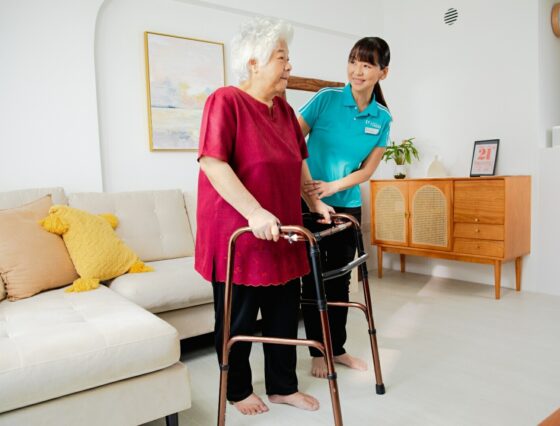
- Walkers and rollators – Provide substantial support and often include wheels, seats, and storage for increased convenience.
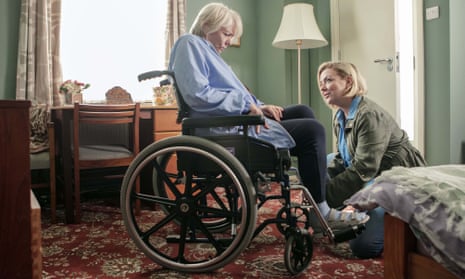
- Wheelchairs and transport chairs – Essential for individuals with limited or no ability to walk, offering both manual and powered options.
- Home safety devices – Such as grab bars, bed rails, and motion sensor lights, which help prevent falls and support safe movement at home.
Selecting the right product often means balancing safety, comfort, and ease of use. Consulting with a healthcare professional or occupational therapist can help identify the most appropriate solution.
Key Benefits of Mobility Support for Older Adults
The advantages of using proper support tools go beyond physical assistance. They can also provide emotional reassurance and encourage a more active lifestyle. Some of the main benefits include:
- Increased independence – Seniors can perform daily activities with less reliance on caregivers or family members.
- Reduced risk of falls – Many devices are designed to enhance stability and minimize the chance of accidents.
- Improved confidence – Knowing that support is available can encourage seniors to venture out, socialize, and stay engaged.
- Pain relief – Properly selected aids can reduce strain on joints and muscles, making movement more comfortable.
- Enhanced safety at home – Devices such as motion sensor night lights and bed exit alarms can alert caregivers and prevent nighttime accidents.
Choosing the Right Mobility Equipment
When selecting mobility aids for seniors, consider the following factors:
- Level of support needed – Assess whether minimal, moderate, or full support is required.
- Home environment – Consider the width of doorways, presence of stairs, and flooring type.
- Portability and storage – Lightweight, foldable devices are easier to transport and store.
- Comfort and adjustability – Look for padded handles, adjustable heights, and ergonomic designs.
- Ease of use – Ensure the device can be operated safely and independently.
It can also be helpful to test different options in person, if possible, to find the best fit. Some seniors may benefit from a combination of devices for different situations, such as a walker for outdoor use and a cane for short indoor distances.
Home Safety Enhancements for Seniors
In addition to walking aids, home modifications and safety devices play a crucial role in supporting older adults. Installing grab bars in bathrooms, using non-slip mats, and ensuring adequate lighting are simple yet effective ways to reduce hazards. Products like motion sensor night lights can illuminate pathways during nighttime trips to the bathroom, while bed exit alarms can alert caregivers if someone attempts to get up unassisted.
For those interested in learning about the benefits of breathable fabrics for elderly skin, choosing the right materials for bedding and furniture can further enhance comfort and safety.
Promoting Independence Through the Right Choices
The goal of using mobility aids for older adults is not just to provide physical support, but to empower individuals to live life on their own terms. With the right equipment and home adaptations, many seniors find they can continue to enjoy hobbies, visit friends, and manage daily routines with greater ease.
It’s also important to stay informed about fire safety and emergency preparedness. The National Fire Protection Association’s home safety resources for older adults offer valuable guidance for creating a safer living environment.
For those considering seating options, understanding the pros and cons of lay-flat recliners for seniors can help make informed decisions about comfort and support.
Tips for Safe and Effective Use of Mobility Devices
- Always follow manufacturer instructions for assembly and use.
- Regularly inspect equipment for signs of wear or damage.
- Adjust height and fit to match the user’s body size and posture.
- Practice using new devices in a safe, supervised environment before venturing out alone.
- Keep pathways clear of obstacles and ensure adequate lighting throughout the home.
- Consider pairing mobility aids with other comfort solutions, such as recliners designed for sleeping or ergonomic chairs.
If concerns arise about sleeping positions or prolonged use of certain furniture, it’s wise to review the risks of sleeping in a recliner for seniors to ensure safety and well-being.
Frequently Asked Questions
What are the most popular mobility aids for seniors?
The most commonly used devices include walking canes, quad canes, walkers, rollators, and wheelchairs. The best choice depends on the individual’s balance, strength, and daily activities.
How do I know which mobility device is right for my needs?
It’s important to consider the level of support required, the home environment, and the user’s comfort. Consulting with a healthcare professional or occupational therapist can help determine the most suitable option.
Can mobility aids help prevent falls at home?
Yes, using the right support tools can significantly reduce the risk of falls. In addition to walking aids, installing grab bars, using non-slip mats, and adding motion sensor night lights can further enhance safety.
Are there any aids that can alert caregivers if a senior is at risk?
Devices such as bed exit alarms and motion sensor lights can notify caregivers if a senior attempts to get up at night or moves into potentially unsafe areas, providing an added layer of protection.
What other home modifications support senior mobility?
Simple changes like widening doorways, removing tripping hazards, improving lighting, and choosing furniture with supportive features can all contribute to a safer, more accessible home environment.