


Providing care for older adults is a responsibility that requires not only skill but also empathy and patience. Senior caregivers play a crucial role in supporting the health, comfort, and dignity of aging individuals—whether as family members or professionals. This article offers practical advice, essential resources, and actionable tips to help those in caregiving roles deliver the best possible support while maintaining their own well-being.
From understanding daily challenges to learning about specialized equipment and self-care strategies, this guide is designed to empower anyone involved in elder care. For those interested in optimizing comfort, consider exploring the benefits of a high backrest for seniors to improve posture and neck support.
Understanding the Role of Senior Caregivers
The responsibilities of those who support elderly individuals are diverse and can range from assisting with daily living activities to managing medications and providing emotional support. Senior caregivers often help with:
- Personal hygiene and grooming
- Meal preparation and feeding
- Mobility assistance and fall prevention
- Medication reminders
- Transportation to appointments
- Companionship and social engagement
Each person’s needs are unique, so flexibility and attentive listening are essential. Caregivers must also be prepared to adapt as health conditions change over time.
Essential Skills and Qualities for Effective Elder Care
To provide meaningful support, caregivers benefit from developing a blend of practical skills and personal qualities. Some of the most valuable attributes include:
- Patience: Aging can slow down physical and cognitive abilities, requiring extra time for daily tasks.
- Communication: Clear, respectful communication helps build trust and ensures that needs are understood.
- Observation: Noticing subtle changes in mood, appetite, or mobility can help prevent complications.
- Problem-solving: Creative solutions are often needed to overcome obstacles in the home environment or care routine.
- Empathy: Understanding the emotional challenges of aging fosters compassion and connection.
Training in first aid, dementia care, and safe transfer techniques can further enhance a caregiver’s effectiveness.
Creating a Safe and Comfortable Home Environment
Safety is a top priority for anyone assisting older adults. Simple modifications can greatly reduce the risk of falls and injuries. Consider these home safety tips:
- Install grab bars in bathrooms and near stairs
- Ensure adequate lighting in hallways and bedrooms
- Remove tripping hazards such as loose rugs or clutter
- Use non-slip mats in showers and tubs
- Arrange furniture to allow easy movement with walkers or wheelchairs
For additional comfort, breathable fabrics can help regulate body temperature and reduce skin irritation. Learn more about the benefits of breathable fabrics for elderly skin and how they contribute to overall well-being.
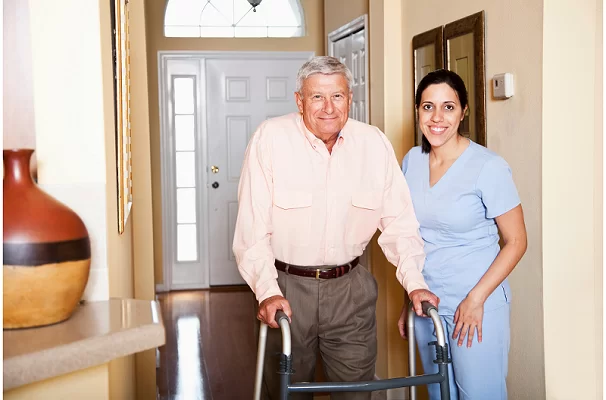
Supporting Mobility and Independence
Maintaining as much independence as possible is important for an older person’s dignity and mental health. Senior caregivers can encourage mobility by:
- Assisting with gentle exercises and stretching
- Using mobility aids such as canes, walkers, or wheelchairs
- Encouraging safe movement around the home
- Providing positive reinforcement and patience during activities
For guidance on choosing and using mobility aids, see this comprehensive resource on helping seniors with mobility aids.
Managing Daily Routines and Personal Care
Consistent routines help reduce confusion and anxiety, especially for those with memory challenges. Caregivers can support daily living by:
- Setting regular times for meals, medication, and rest
- Assisting with bathing, dressing, and grooming as needed
- Using visual cues and reminders for important tasks
- Encouraging participation in familiar activities
For those who spend extended periods in recliners or beds, it’s important to be aware of potential risks of sleeping in a recliner for seniors and how to mitigate them.

Emotional Support and Social Engagement
Loneliness and isolation are common concerns for older adults. Caregivers can make a significant difference by:
- Engaging in meaningful conversation and active listening
- Facilitating phone or video calls with family and friends
- Encouraging participation in hobbies, games, or community events
- Supporting outings to parks or social gatherings when possible
Social interaction not only boosts mood but also helps maintain cognitive function and a sense of purpose.
Self-Care for Caregivers
Providing ongoing support can be physically and emotionally demanding. To avoid burnout, caregivers should:
- Take regular breaks and ask for help when needed
- Maintain healthy eating and sleep habits
- Seek out support groups or counseling
- Set realistic expectations and boundaries
Remember, caring for yourself is not selfish—it’s essential for sustaining the energy and compassion needed to care for others.
Choosing the Right Equipment and Products
The right tools can make daily care safer and more comfortable. Items such as motion sensor night lights, bed exit alarms, and lay-flat recliners can enhance both safety and convenience. For more information on specialized seating, see what is a lay flat recliner for seniors and its pros and cons.
When selecting products, consider the individual’s specific needs, preferences, and any recommendations from healthcare professionals.
Frequently Asked Questions
What are the most important qualities for senior caregivers?
Key qualities include patience, empathy, strong communication skills, and the ability to observe and respond to changing needs. Practical knowledge of first aid and safe mobility techniques is also valuable.
How can caregivers prevent falls in the home?
Preventing falls involves removing tripping hazards, ensuring good lighting, installing grab bars, and using mobility aids as needed. Regularly reviewing the home environment and making adjustments can greatly reduce risks.
What should caregivers do to manage stress and avoid burnout?
It’s important to take breaks, ask for help, maintain healthy routines, and seek support from friends, family, or professional groups. Setting boundaries and practicing self-care are essential for long-term well-being.
Where can I find more information about comfort and safety products for seniors?
Explore resources such as the guide on using a recliner for sleeping and other articles focused on comfort and safety for older adults.