

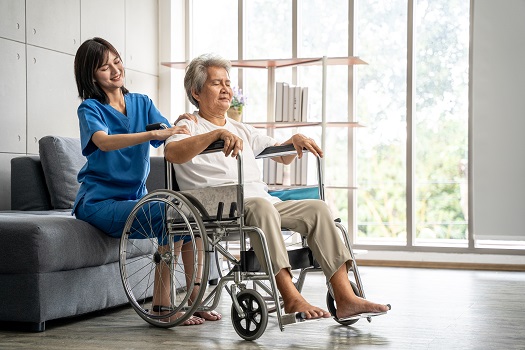
Falls are a leading cause of injury among older adults, but many incidents can be prevented with the right strategies and awareness. As we age, changes in balance, vision, and muscle strength can increase the risk of falling at home or in the community. Taking proactive steps to address these risks is essential for maintaining independence and quality of life.
This guide explores practical ways to reduce the likelihood of falls for seniors, from home modifications to daily habits and helpful products. By understanding the unique challenges faced by older adults, caregivers and families can create a safer environment and support confident, active living.
For those interested in optimizing comfort and support, exploring the benefits of a high backrest for seniors can further enhance safety and well-being at home.
Understanding the Risks: Why Falls Happen
Recognizing the factors that contribute to falls is the first step in effective senior fall prevention. Common causes include:
- Muscle weakness and reduced flexibility
- Impaired vision or hearing
- Balance problems or dizziness
- Side effects from medications
- Cluttered or poorly lit living spaces
- Slippery surfaces and loose rugs
- Chronic health conditions such as arthritis or diabetes
Many of these risk factors can be addressed with targeted interventions, making it possible to significantly lower the chance of falls.
Home Modifications for a Safer Environment
Making adjustments to the home is one of the most effective ways to protect older adults from falls. Simple changes can create a safer, more accessible living space.
- Improve lighting throughout the home, especially in hallways, staircases, and bathrooms.
- Install grab bars in the bathroom near the toilet and inside the shower or tub.
- Remove tripping hazards such as loose rugs, electrical cords, and clutter from walkways.
- Use non-slip mats in the bathroom and kitchen.
- Ensure that frequently used items are within easy reach to avoid unnecessary bending or stretching.
- Consider adding handrails on both sides of stairways.
- Use sturdy, supportive furniture and avoid chairs that are too low or unstable.
Daily Habits That Reduce Fall Risk
Beyond home modifications, adopting certain routines can further support fall prevention for seniors. Consistency is key to building strength and confidence.
- Stay physically active with exercises that improve balance, flexibility, and muscle strength. Activities like walking, tai chi, or gentle stretching can be highly beneficial.
- Wear supportive footwear with non-slip soles, and avoid walking in socks or slippers that lack grip.
- Review medications with a healthcare provider to identify any that may cause dizziness or drowsiness.
- Have regular vision and hearing checks, as changes in sight or hearing can impact balance and awareness of obstacles.
- Take your time when standing up, turning, or moving from one room to another. Rushing increases the risk of losing balance.
Helpful Products for Preventing Falls
Certain products are designed to support safety and independence for older adults. These aids can make daily routines easier and reduce the risk of accidents.

- Motion sensor night lights illuminate pathways at night, making it easier to navigate hallways or bathrooms safely.
- Bed exit alarms alert caregivers if a person gets up unexpectedly, providing peace of mind and quick response in case of disorientation.
- Non-slip socks and shoes help prevent slips on smooth floors.
- Canes and walkers offer additional support for those with balance or mobility challenges.
- Raised toilet seats and shower chairs make bathroom routines safer and more comfortable.
For more information on mobility aids and adapting to changing needs, the caregiver guide to mobility problems is a valuable external resource.
Supporting Safe Sleep and Rest
Nighttime can present unique hazards for older adults, especially when getting in and out of bed. To minimize risks:
- Keep a lamp or motion-activated light within easy reach of the bed.
- Ensure the path to the bathroom is clear and well-lit.
- Use a firm mattress and supportive pillows to aid in comfortable, safe movement.
- Consider products like bed rails or exit alarms for those at higher risk of nighttime falls.
For those who spend extended periods resting or sleeping in a recliner, understanding the best practices for recliner use and being aware of the potential risks can further reduce the chance of accidents.

Encouraging Confidence and Independence
Preventing falls is not just about avoiding injury—it’s also about supporting autonomy and dignity for older adults. Encouragement, regular check-ins, and involving seniors in decisions about their care can foster a sense of control and motivation to stay active.
Choosing the right clothing and materials can also make a difference. For example, the benefits of breathable fabrics for elderly skin include greater comfort and reduced risk of skin irritation, which can indirectly support mobility and confidence.
Frequently Asked Questions
What are the most important steps to prevent falls in older adults?
The most effective measures include removing tripping hazards, improving lighting, installing grab bars, staying physically active, and reviewing medications with a healthcare provider. Using assistive devices and wearing proper footwear also play a key role in reducing risk.
How can caregivers support fall prevention without reducing independence?
Caregivers can encourage safe habits, provide reminders, and help with home modifications while respecting the older adult’s preferences and abilities. Involving seniors in decisions and offering choices helps maintain autonomy and confidence.
Are there specific exercises that help reduce fall risk?
Yes, activities that focus on balance, strength, and flexibility—such as tai chi, gentle yoga, and walking—are particularly beneficial. Consulting a physical therapist can help tailor an exercise plan to individual needs and abilities.
Conclusion
Reducing the risk of falls for older adults requires a combination of environmental changes, daily routines, and the use of supportive products. By taking these steps, families and caregivers can help seniors maintain their independence and enjoy a safer, more active lifestyle.