


As people age, maintaining mental and emotional balance becomes increasingly important. Senior mindfulness offers practical ways for older adults to cultivate calm, improve clarity, and support overall wellbeing. These techniques can help manage stress, enhance focus, and foster a sense of peace in daily life. Whether living independently, with family, or in a care setting, mindfulness is accessible and adaptable to various needs and abilities.
For those interested in technology that supports aging in place, exploring voice controlled tablets can further empower independence and connection.
Understanding Mindfulness for Older Adults
Mindfulness is the practice of paying attention to the present moment without judgment. For seniors, this means noticing thoughts, feelings, and sensations as they arise, and responding with kindness and curiosity. Practicing mindfulness has been shown to reduce anxiety, improve mood, and even support cognitive health.
Unlike meditation, which often involves sitting quietly for extended periods, mindfulness can be integrated into everyday activities. This makes it especially suitable for older adults, including those with mobility limitations or chronic conditions.
Benefits of Mindfulness in Later Life
Incorporating senior mindfulness techniques into daily routines can offer a range of advantages:
- Reduced stress and anxiety: Mindful breathing and gentle awareness help manage worries and promote relaxation.
- Improved sleep: Mindfulness practices can ease nighttime restlessness and support better sleep quality.
- Enhanced memory and focus: Regular attention exercises may help maintain cognitive sharpness.
- Greater emotional resilience: Mindfulness encourages acceptance, which can buffer against loneliness or frustration.
- Increased enjoyment of daily life: Being present allows seniors to savor small pleasures, from a cup of tea to a conversation with a friend.
For those seeking additional safety and peace of mind, devices like best phones for elderly parents can complement mindfulness by providing reliable communication and emergency features.
Simple Mindfulness Exercises for Seniors
There are many ways to introduce mindful awareness into daily life. Here are some gentle practices tailored for older adults:
Mindful Breathing
One of the easiest ways to begin is with the breath. Sit comfortably and notice the natural rhythm of inhaling and exhaling. If the mind wanders, gently bring attention back to the breath. Even a few minutes can help calm the nervous system.
Body Scan
While seated or lying down, slowly move attention through the body, starting at the feet and moving upward. Notice any sensations, tension, or comfort without trying to change anything. This practice can be especially helpful before bedtime.
Mindful Walking
For those able to walk, paying close attention to each step, the feeling of the ground, and the movement of the body can turn a short stroll into a grounding experience. Indoors or outdoors, mindful walking encourages presence and gentle exercise.
Gratitude Reflection
Each day, take a moment to reflect on something positive, no matter how small. This could be a pleasant memory, a favorite meal, or a kind gesture. Gratitude supports emotional wellbeing and helps shift focus from worries to appreciation.
Integrating Mindfulness into Daily Routines
Making mindfulness a regular part of life doesn’t require special equipment or lengthy sessions. Here are some ways to weave mindful moments into everyday activities:
- During meals: Focus on the taste, texture, and aroma of each bite. Eating slowly and with awareness can enhance enjoyment and aid digestion.
- While listening: When talking with friends or family, give full attention to the conversation. Notice the tone, words, and emotions being shared.
- Household tasks: Simple chores like folding laundry or watering plants can become opportunities for mindful attention. Notice the sensations and movements involved.
- Resting: Even moments of rest can be mindful. Notice the feeling of support from a chair or bed, and allow the body to relax with each exhale.
For seniors new to technology, easy tablets for beginners can provide guided mindfulness apps and resources that are simple to use.
Creating a Supportive Environment for Mindful Living
Setting up a calm, comfortable space can encourage regular practice. Consider these tips for fostering a peaceful atmosphere:
- Minimize distractions: Choose a quiet spot with soft lighting and minimal noise.
- Use reminders: Place gentle cues, such as a favorite photo or a small plant, to prompt mindful pauses throughout the day.
- Invite support: Practicing with a friend, family member, or caregiver can increase motivation and enjoyment.
- Leverage helpful products: Items like motion sensor night lights or bed exit alarms can provide added safety and peace of mind, allowing seniors to focus more fully on their wellbeing.

Mindfulness and Community: Staying Connected
Practicing mindfulness doesn’t have to be a solitary activity. Many community centers, senior living facilities, and online platforms offer group sessions or classes tailored for older adults. Participating in group mindfulness can foster social connection and provide encouragement to keep practicing.
For those living at home, local organizations and services can help support both independence and wellbeing. The National Institute on Aging’s guide to services for older adults living at home offers helpful resources for finding support in your area.
Adapting Mindfulness for Different Abilities
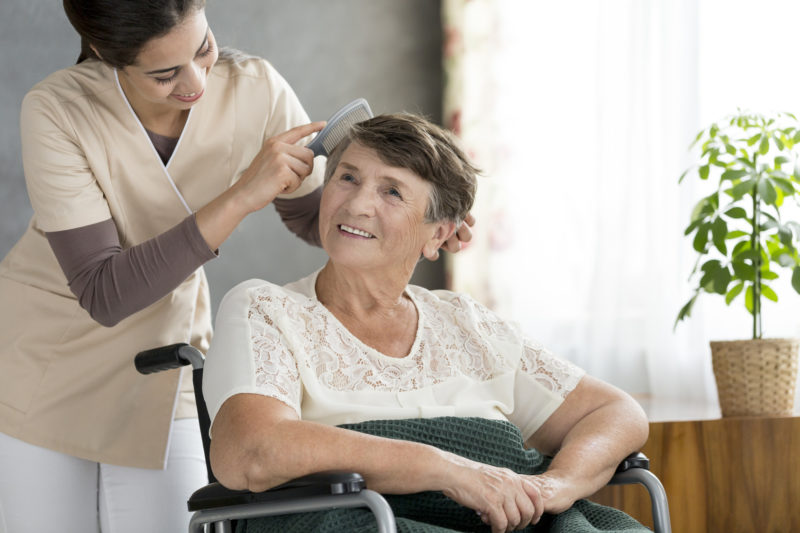
Mindfulness is flexible and can be adapted for various physical or cognitive abilities. Seated exercises, guided audio practices, and visualizations are all effective options. Caregivers and family members can assist by creating a calm environment, offering reminders, or participating together.
For those interested in accessible technology, easy to use smartphones for seniors can provide reminders, guided meditations, and emergency contacts, supporting both safety and mindful living.
Frequently Asked Questions
What is the difference between mindfulness and meditation for seniors?
Mindfulness involves bringing attention to the present moment in any activity, while meditation is a specific practice that often involves sitting quietly and focusing inward. Mindfulness can be practiced throughout the day, making it especially suitable for older adults who may prefer shorter, more flexible activities.
How can caregivers help seniors practice mindfulness?
Caregivers can encourage mindfulness by offering gentle reminders, participating in practices together, and creating a calm, supportive environment. Simple activities like mindful breathing or gratitude reflection can be done together, fostering connection and relaxation.
Are there any tools or products that support mindful living for older adults?
Yes, products such as motion sensor night lights and bed exit alarms can enhance safety and comfort, allowing seniors to focus on their wellbeing. Technology like tablets and smartphones with user-friendly interfaces can also provide access to guided mindfulness exercises and reminders.
Conclusion
Integrating senior mindfulness practices into daily routines can bring calm, clarity, and a greater sense of wellbeing. Whether through simple breathing exercises, mindful movement, or gratitude reflection, these techniques are accessible and adaptable for all abilities. By creating a supportive environment and leveraging helpful resources, older adults and their caregivers can enjoy the many benefits of mindful living.