

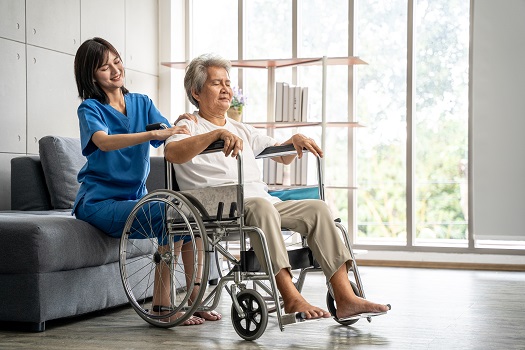
As we age, maintaining physical health becomes increasingly important for independence and quality of life. Senior physiotherapy offers practical strategies to help older adults stay strong, flexible, and mobile. Whether you’re an older adult, a caregiver, or a family member, understanding how targeted exercises and daily habits can support aging bodies is essential.
This guide explores proven physiotherapy approaches that address common challenges such as muscle weakness, joint stiffness, and balance issues. By focusing on safe movement and tailored routines, seniors can reduce the risk of falls, maintain independence, and enjoy daily activities with greater confidence.
For those seeking additional comfort and support at home, exploring the benefits of a high backrest for seniors can further enhance daily well-being and posture.
Why Physiotherapy Matters for Older Adults
As people grow older, natural changes in muscle mass, bone density, and joint flexibility can make movement more challenging. Physiotherapy for seniors is designed to address these age-related changes through personalized exercise programs, manual therapy, and education. The primary goals are to:
- Improve muscle strength and endurance
- Increase joint flexibility and range of motion
- Enhance balance and coordination
- Reduce pain and stiffness
- Promote safe, independent movement
By working with a licensed physiotherapist, older adults can receive tailored guidance that takes into account medical history, mobility level, and personal goals.
Building Strength Through Targeted Exercise
One of the most effective ways to counteract age-related muscle loss is through regular, safe strength training. Senior physiotherapy routines often include exercises that use body weight, resistance bands, or light weights. These activities help maintain muscle mass, support joints, and make everyday tasks easier.
- Chair squats: Strengthen legs and hips by sitting and standing from a sturdy chair.
- Wall push-ups: Build upper body strength with a gentle, accessible movement.
- Heel raises: Improve calf strength and ankle stability for better balance.
- Seated rows with resistance bands: Target back and shoulder muscles to support posture.
Always consult a healthcare provider or physiotherapist before starting new exercises, especially if you have chronic conditions or recent injuries.

Improving Flexibility and Joint Health
Flexibility is crucial for preserving range of motion and preventing injuries. Gentle stretching, yoga, and mobility exercises can help keep joints supple and muscles relaxed. Senior physiotherapy programs often incorporate:
- Neck and shoulder stretches: Reduce tension and support better posture.
- Seated hamstring stretches: Maintain flexibility in the back of the legs.
- Ankle circles: Enhance mobility and circulation in the lower legs.
- Gentle spinal rotations: Support back health and core stability.
Stretching should always be done slowly and within a comfortable range. Never force a movement or stretch to the point of pain.
For those who spend extended periods sitting, learning about the benefits of breathable fabrics for elderly skin can help prevent discomfort and skin irritation during exercise or rest.
Enhancing Mobility and Preventing Falls
Maintaining mobility is essential for daily living and independence. Physiotherapy for seniors emphasizes activities that improve walking, balance, and coordination. Some practical strategies include:
- Balance exercises: Standing on one foot, heel-to-toe walking, or using a balance board under supervision.
- Gait training: Practicing safe walking patterns with or without assistive devices.
- Functional movements: Rehearsing everyday activities like getting up from a chair or climbing stairs.
- Home safety modifications: Removing tripping hazards, adding grab bars, and improving lighting.
Caregivers and family members can find helpful advice in resources such as the caregiver guide for mobility problems to support loved ones in staying active and safe.

Daily Habits for Long-Term Wellness
In addition to structured exercise, daily habits play a significant role in sustaining mobility and comfort. Consider these tips for ongoing well-being:
- Stay hydrated to support joint health and muscle function.
- Wear supportive, non-slip footwear to reduce fall risk.
- Take regular movement breaks throughout the day, especially if sitting for long periods.
- Use adaptive equipment, such as canes or walkers, as recommended by a healthcare provider.
- Prioritize sleep and rest to allow the body to recover.
For those who use recliners for rest or sleep, it’s helpful to review how to use a recliner for sleeping safely and comfortably, as well as understanding the risks of sleeping in a recliner for seniors.
When to Seek Professional Guidance
While many exercises and habits can be practiced at home, some situations require professional assessment. Consult a physiotherapist or healthcare provider if you experience:
- Persistent pain, swelling, or joint instability
- Sudden changes in mobility or balance
- Frequent falls or near-falls
- Difficulty performing daily activities
Early intervention can prevent complications and help develop a safe, effective plan for regaining strength and movement.
Frequently Asked Questions
What are the main benefits of physiotherapy for older adults?
Physiotherapy helps seniors improve strength, flexibility, and balance, which can reduce the risk of falls, manage chronic pain, and support independence in daily life.
How often should seniors do physiotherapy exercises?
Most older adults benefit from gentle exercises several times a week, but the ideal frequency depends on individual health and mobility. A physiotherapist can recommend a personalized schedule.
Are there risks to exercising as an older adult?
While regular movement is generally safe and beneficial, it’s important to start slowly and consult a healthcare provider before beginning new routines, especially for those with medical conditions or recent injuries.
Can home modifications help with mobility?
Yes, simple changes like removing tripping hazards, installing grab bars, and improving lighting can make a home safer and support independent movement for seniors.
For more insights on comfort and support, consider reading about what is a lay flat recliner for seniors and its pros and cons.