

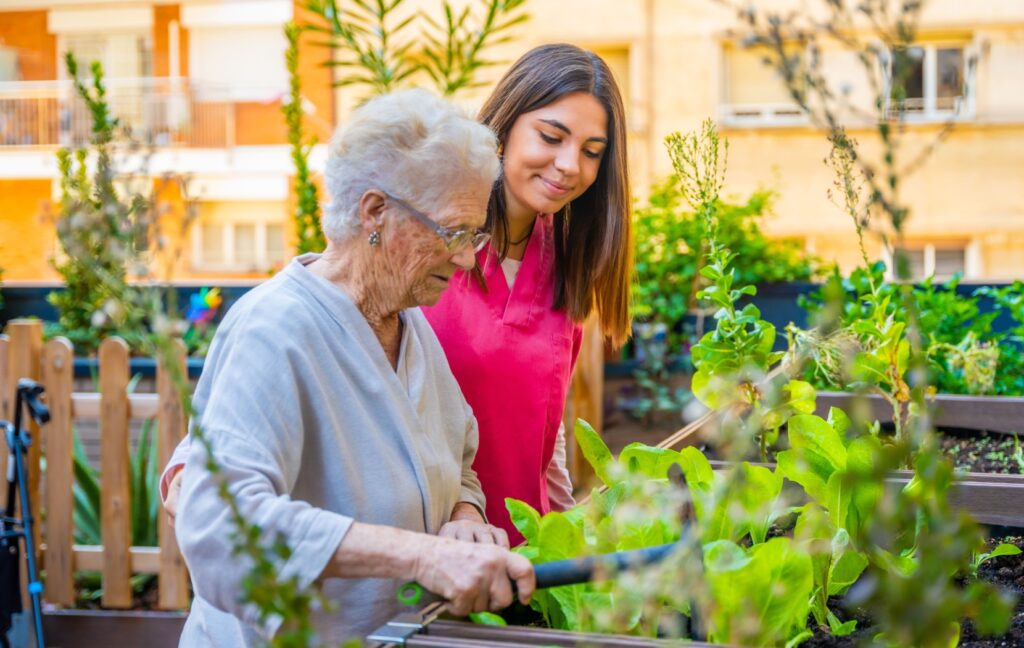
Ensuring a high quality of life for older adults is a priority for families, caregivers, and healthcare professionals alike. As people age, their needs and preferences evolve, making it essential to monitor and adapt care strategies. Senior quality of life tracking provides a structured approach to understanding and supporting well-being in later years. By using practical tools and methods, families and caregivers can make informed decisions that promote independence, happiness, and health.
Modern technology, such as smart devices and easy-to-use tablets, has made it easier than ever to monitor daily routines, health metrics, and emotional well-being. For those interested in technology solutions, exploring voice controlled tablets can offer hands-free convenience and accessibility for seniors.
Why Monitor Well-Being in Older Adults?
Tracking the well-being of seniors goes beyond simply checking for medical issues. It involves observing physical, emotional, and social aspects of daily life. By keeping an eye on these factors, caregivers can:
- Identify early signs of health changes
- Adjust care plans to suit evolving needs
- Promote independence and autonomy
- Enhance communication between seniors, families, and healthcare providers
Regular monitoring can help prevent small issues from becoming major challenges. For example, noticing a decline in mobility or changes in mood can prompt timely interventions, improving overall outcomes and satisfaction.
Key Areas to Track for Senior Well-Being
Effective senior quality of life tracking involves monitoring several important domains. Each area contributes to a holistic view of well-being and helps guide support strategies.
- Physical Health: Track vital signs, mobility, sleep patterns, and nutrition. Devices like smartwatches can help monitor heart rate, steps, and sleep quality.
- Mental and Emotional Health: Observe mood, memory, and engagement in activities. Journaling or using digital mood trackers can provide valuable insights.
- Social Engagement: Note participation in social activities, communication with friends and family, and involvement in hobbies.
- Daily Routines: Consistency in daily routines supports stability and reduces anxiety. Tools that help structure daily tasks can be especially helpful for those with memory concerns.
For more ideas on maintaining healthy routines, see this resource on daily routines for seniors.

Tools and Methods for Effective Tracking
There are many ways to monitor well-being in older adults, ranging from simple paper logs to advanced digital solutions. The best method depends on individual preferences, comfort with technology, and specific needs.
Digital Solutions for Monitoring
- Wearable Devices: Smartwatches and fitness trackers can automatically record steps, heart rate, and sleep. These devices often sync with apps for easy review by caregivers or family members.
- Tablets and Smartphones: Apps designed for seniors can help track medication, appointments, and daily activities. For those new to technology, easy tablets for beginners are a good starting point.
- Voice Assistants: Devices like voice-controlled tablets allow seniors to set reminders, check schedules, and communicate with loved ones hands-free.
Traditional Approaches
- Paper Journals: Simple logs for mood, meals, and activities can be effective, especially for those less comfortable with digital tools.
- Checklists: Daily or weekly checklists help ensure important tasks are completed and provide a quick overview of routine adherence.
Benefits of Consistent Quality of Life Monitoring
Regularly tracking well-being brings several advantages for both seniors and their support networks:
- Early Detection: Spotting changes early allows for prompt medical attention or adjustments in care.
- Empowerment: Seniors who participate in monitoring feel more in control of their health and daily lives.
- Improved Communication: Consistent records make it easier to share information with healthcare providers, leading to better care decisions.
- Personalized Support: Tracking helps tailor activities, nutrition, and social engagement to individual preferences and needs.
For families seeking additional safety features, exploring phones with emergency SOS button can add peace of mind and quick access to help if needed.

Tips for Successful Senior Well-Being Tracking
To make the most of quality of life monitoring, consider these practical tips:
- Start Simple: Begin with just a few key areas, such as mood and activity level, then expand as needed.
- Involve the Senior: Encourage participation in tracking and decision-making to foster independence and motivation.
- Review Regularly: Set aside time each week or month to review records and discuss any changes or concerns.
- Respect Privacy: Ensure that any data collected is kept secure and used only for the benefit of the senior.
- Adapt as Needed: Be flexible and willing to adjust tracking methods as preferences or abilities change.
For those seeking more advanced features, easy to use smartphones for seniors can offer additional tools for communication and monitoring.
Integrating Technology with Personal Care
While technology can greatly enhance senior quality of life tracking, it’s important to balance digital tools with personal interaction. Devices and apps should support—not replace—meaningful relationships and hands-on care. Regular check-ins, conversations, and shared activities remain essential for emotional and social well-being.
Families and caregivers should choose solutions that fit seamlessly into daily life, prioritizing ease of use and comfort. For those who prefer straightforward devices, the best phones for elderly parents offer user-friendly features tailored to seniors’ needs.
Frequently Asked Questions
What are the most important factors to monitor for senior well-being?
The most critical areas include physical health (such as mobility, sleep, and nutrition), mental and emotional state, social engagement, and consistency in daily routines. Monitoring these aspects provides a comprehensive view of overall well-being and helps identify areas where support may be needed.
How can technology help track quality of life for older adults?
Technology offers convenient ways to monitor health metrics, set reminders, and maintain routines. Wearable devices, easy-to-use tablets, and specialized apps can automate data collection and provide real-time insights for caregivers and family members.
Is it necessary to use digital tools, or can tracking be done manually?
Manual methods like paper journals and checklists are still effective, especially for those less comfortable with technology. The key is consistency and choosing an approach that fits the senior’s preferences and abilities.
Conclusion
Supporting well-being in later years requires attention, adaptability, and the right tools. By embracing senior quality of life tracking through a combination of technology and personal care, families and caregivers can make informed decisions that enhance comfort, safety, and happiness. Whether using digital devices or traditional methods, the goal remains the same: to help older adults live fulfilling, independent lives with dignity and joy.