

Staying active and engaged is important at any age, but it becomes especially valuable in our later years. Exploring senior hobbies and crafts can offer not just entertainment, but also opportunities for creativity, relaxation, and social connection. Whether you’re looking for ways to keep your mind sharp, improve dexterity, or simply enjoy your free time, there are countless activities that can fit your interests and abilities.
Many older adults find that picking up new pastimes or returning to old favorites helps boost mood, reduce stress, and even support physical health. From painting and gardening to puzzles and gentle exercise, the options are nearly endless. In this article, we’ll explore a variety of enjoyable and accessible activities, tips for getting started, and resources to help you or your loved ones make the most of leisure time.

If you’re interested in technology-based activities, you might enjoy exploring voice controlled tablets for hands-free use, which can make digital hobbies more accessible and enjoyable.
Why Creative Activities Matter for Older Adults
Engaging in crafts and hobbies is more than just a way to pass the time. For seniors, these activities can:
- Boost cognitive function by challenging the brain with new skills and problem-solving.
- Enhance fine motor skills through hands-on projects like knitting, painting, or woodworking.
- Reduce stress and promote relaxation, helping to lower blood pressure and improve mood.
- Encourage social interaction when done in groups or classes, combating feelings of isolation.
- Foster a sense of accomplishment and purpose, which is vital for emotional well-being.
Whether you prefer solo pursuits or group activities, finding the right hobby can make a meaningful difference in daily life.
Popular Senior Hobbies and Crafts to Try
There’s a wide range of enjoyable activities that cater to different interests and abilities. Here are some of the most popular options among older adults:
Arts and Crafts for Creativity
- Painting and Drawing: Express yourself with watercolors, acrylics, or colored pencils. These activities are accessible for beginners and can be enjoyed at home or in a class.
- Knitting and Crocheting: These crafts are soothing and can be done while watching TV or listening to music. Plus, you can create practical items like scarves, hats, or blankets.
- Scrapbooking: Preserve memories and exercise creativity by organizing photos and mementos into beautiful albums.
- Woodworking: Simple woodworking projects, such as birdhouses or picture frames, are both rewarding and practical.

Physical Activities for Mobility and Wellness
- Gardening: Tending to plants, flowers, or vegetables is a gentle way to stay active and enjoy the outdoors. Raised beds and ergonomic tools can make gardening accessible for all mobility levels.
- Walking Groups: Walking with friends or a local group is a simple way to combine exercise with socializing.
- Chair Yoga or Tai Chi: These gentle forms of movement are excellent for flexibility, balance, and relaxation.
- Dancing: Whether it’s ballroom, line dancing, or just moving to your favorite music at home, dancing is fun and great for cardiovascular health.
For more ideas on improving mobility, check out this guide to increasing mobility for seniors.
Games and Puzzles for Mental Stimulation
- Jigsaw Puzzles and Crosswords: These classic activities help keep the mind sharp and can be done alone or with others.
- Board Games: Games like Scrabble, chess, or checkers are enjoyable and offer cognitive benefits.
- Card Games: From solitaire to bridge, card games are a great way to pass the time and connect with friends.
Technology can also play a role in keeping the mind engaged. Devices like easy tablets for beginners make it simple to access digital puzzles, audiobooks, and more.
How to Choose the Right Hobby
Finding the perfect activity depends on your interests, physical abilities, and available resources. Here are some tips to help you decide:
- Consider what you’ve enjoyed in the past—sometimes revisiting an old favorite can be the most rewarding.
- Think about your current abilities and any limitations. Many crafts and hobbies can be adapted for different mobility or vision needs.
- Look for local classes or community groups. Many senior centers and libraries offer workshops or clubs tailored to older adults.
- Try something new! It’s never too late to learn a skill or discover a passion you didn’t know you had.
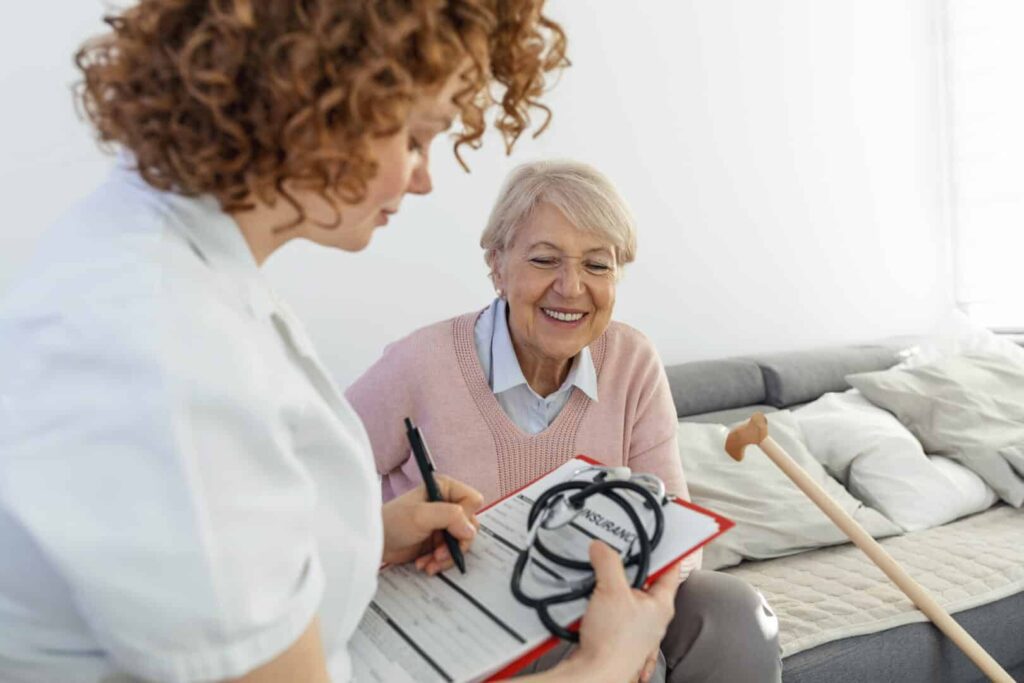
Making Hobbies Accessible and Safe
Safety and accessibility are important considerations for older adults exploring new activities. Here are some practical suggestions:
- Choose well-lit, clutter-free spaces for crafting or exercising to reduce the risk of falls.
- Use adaptive tools, such as ergonomic gardening equipment or large-print materials, to make activities easier and more comfortable.
- Consider technology aids, like easy to use smartphones for seniors, to stay connected and access online tutorials or virtual classes.
- Ask friends or family to join in, turning solo hobbies into social experiences.
Staying Connected Through Group Activities
Many older adults find that group activities offer both enjoyment and social benefits. Community centers, libraries, and local clubs often host:
- Art and craft workshops
- Book clubs
- Walking or gardening groups
- Game nights
Participating in group hobbies can help build friendships and provide a sense of belonging, which is essential for emotional health.
Frequently Asked Questions
What are some easy crafts for seniors with limited mobility?
Activities like painting, coloring, beading, and simple knitting projects are excellent choices. These crafts can be done while seated and often require minimal movement. Using adaptive tools or larger materials can make them even more accessible.
How can hobbies help with memory and cognitive health?
Engaging in mentally stimulating activities such as puzzles, board games, or learning new skills can help keep the brain active. Regularly challenging the mind supports memory, concentration, and overall cognitive function.
Are there technology-based hobbies suitable for older adults?
Absolutely. Many seniors enjoy using tablets or smartphones to play games, read e-books, or connect with loved ones. Devices designed for beginners, like best phones for elderly parents, can make digital hobbies more accessible and enjoyable.
Conclusion
Exploring new pastimes or revisiting favorite crafts can bring joy, relaxation, and a sense of accomplishment to daily life. With so many options available, there’s something for everyone—regardless of ability or experience. By choosing activities that suit your interests and needs, you can enrich your days, stay connected, and support your overall well-being through the power of senior hobbies and crafts.