

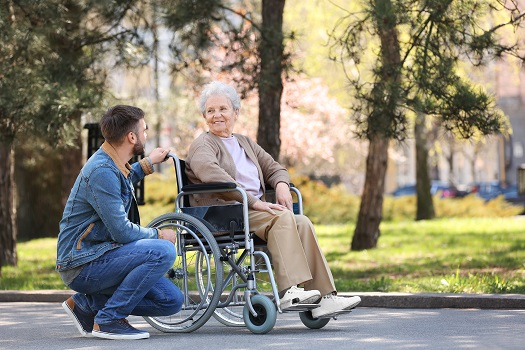
As people age, maintaining strength, improving mobility, and supporting recovery after illness or injury become increasingly important. Effective senior rehabilitation can help older adults regain independence, reduce fall risk, and enhance overall well-being. This guide provides practical advice and proven strategies that support seniors through the rehabilitation process, whether at home, in outpatient therapy, or in assisted living environments.
Many older adults and their caregivers seek out information not only about exercises and therapies, but also about products and lifestyle adjustments that can make daily life safer and more comfortable. For example, understanding the benefits of a high backrest for seniors can help in choosing supportive seating that aids posture and reduces strain during recovery.
Understanding the Goals of Senior Rehabilitation
The primary aim of rehabilitation for older adults is to restore or maintain functional abilities. This process is highly individualized, taking into account each person’s health status, previous injuries, and personal goals. Common objectives include:
- Improving muscle strength and joint flexibility
- Enhancing balance and coordination to prevent falls
- Supporting recovery from surgery, stroke, or illness
- Promoting independence in daily activities
- Reducing pain and managing chronic conditions
By focusing on these goals, seniors can experience better quality of life and greater confidence in their abilities.
Strengthening Exercises for Older Adults
Regular physical activity is a cornerstone of effective rehabilitation for seniors. Exercise programs should be tailored to individual needs and abilities, often under the guidance of a physical therapist. Some recommended activities include:
- Resistance training: Using light weights, resistance bands, or bodyweight exercises to build muscle strength.
- Balance exercises: Simple movements like standing on one foot or walking heel-to-toe can help reduce fall risk.
- Flexibility routines: Gentle stretching maintains joint range of motion and prevents stiffness.
- Low-impact aerobics: Activities such as walking, swimming, or cycling support cardiovascular health without putting undue stress on the joints.
Consistency is key. Even short daily sessions can yield significant improvements over time. For those recovering from surgery or injury, always consult a healthcare provider before starting new exercises.
Mobility Aids and Home Modifications
Many seniors benefit from assistive devices and changes to their living environment. Mobility aids such as canes, walkers, or wheelchairs can provide stability and confidence during rehabilitation. In addition, simple home modifications can make a significant difference:
- Installing grab bars in bathrooms and near stairs
- Using non-slip mats and removing tripping hazards
- Choosing supportive furniture, such as recliners with adequate back and neck support
- Improving lighting to reduce the risk of falls at night
For more ideas on optimizing comfort and safety, consider reading about the benefits of breathable fabrics for elderly skin or exploring what is a lay flat recliner for seniors to find the best seating options.

Supporting Recovery After Illness or Surgery
Recovery from surgery or a major illness often requires a combination of physical therapy, occupational therapy, and lifestyle adjustments. Here are some practical steps to support the process:
- Follow all medical advice and attend scheduled therapy sessions
- Gradually increase activity levels as tolerated
- Monitor for signs of complications, such as pain, swelling, or infection
- Maintain a nutritious diet to support healing and energy
- Use adaptive equipment as recommended by healthcare professionals
Caregivers play a vital role in encouraging participation and ensuring a safe environment. If sleep is a challenge during recovery, learning about how to use a recliner for sleeping can provide additional comfort and support.
Promoting Independence and Confidence
The ultimate goal of any rehabilitation plan is to help older adults regain or maintain their independence. This involves not only physical improvements but also emotional support and encouragement. Some ways to foster confidence include:
- Setting realistic, achievable goals and celebrating progress
- Encouraging social interaction and participation in group activities
- Providing access to resources, such as community programs or support groups
- Ensuring that assistive devices are comfortable and easy to use
For those concerned about the risks of certain habits, such as prolonged sitting, it’s helpful to be aware of the risks of sleeping in a recliner for seniors and how to mitigate them.

Additional Resources and Mobility Solutions
There are many resources available to help seniors and caregivers navigate the rehabilitation journey. Exploring mobility solutions for seniors can provide valuable insights into choosing the right aids and adaptations for individual needs.
Staying informed and proactive is essential. Whether you’re looking for advice on home modifications, exercise routines, or assistive products, reliable information and professional guidance can make a significant difference in outcomes.
Frequently Asked Questions
What are the most important exercises for seniors in rehabilitation?
The most beneficial exercises focus on strength, balance, and flexibility. Resistance training, gentle stretching, and balance activities like standing on one foot or walking in a straight line are commonly recommended. Always consult a healthcare provider or physical therapist to design a safe and effective program.
How can I make my home safer for an older adult recovering from surgery?
Simple changes such as installing grab bars, removing loose rugs, improving lighting, and using non-slip mats can greatly reduce fall risk. Consider supportive furniture and mobility aids as needed, and keep frequently used items within easy reach.
Are there products that can help with nighttime safety for seniors?
Yes, products like motion sensor night lights and bed exit alarms can enhance nighttime safety by providing illumination and alerting caregivers if a senior leaves the bed. These tools can help prevent falls and provide peace of mind for both seniors and their families.