


Effective care for older adults relies on consistent routines and clear communication between caregivers, families, and healthcare professionals. Senior routine reports play a vital role in documenting daily activities, health status, and any changes in behavior or needs. These reports are essential for ensuring that seniors receive personalized, attentive care—whether at home, in assisted living, or in long-term care facilities.
By tracking routines and health indicators, these reports help caregivers identify patterns, spot potential concerns early, and keep families informed. As more families seek reliable ways to monitor loved ones’ well-being, understanding how to use and interpret routine documentation becomes increasingly important. For those interested in technology solutions that support safety and communication, exploring phones with emergency SOS button can further enhance peace of mind.
What Are Senior Routine Reports?
Routine documentation for older adults is a structured record of daily activities, health checks, meals, medications, and social interactions. These reports are typically completed by caregivers or staff and may be maintained on paper or through digital platforms. The goal is to provide a clear, up-to-date overview of a senior’s day-to-day life, making it easier to track progress and respond to changes.
Key elements often included in these reports are:
- Meal times and nutrition – What was eaten and when
- Medication administration – Dosage, timing, and any missed doses
- Physical activity – Walks, exercises, or therapy sessions
- Personal care – Bathing, grooming, and hygiene routines
- Health observations – Mood, sleep quality, vital signs, and any symptoms
- Social engagement – Visits, calls, or group activities
By keeping these records, caregivers can ensure continuity of care and provide valuable information to healthcare professionals during check-ups or emergencies.
Why Routine Documentation Matters in Senior Care
Consistent reporting brings several important benefits for seniors and their support networks:
- Early detection of health issues: Noticing changes in appetite, mobility, or mood can prompt timely medical attention.
- Improved communication: Families and healthcare providers stay informed about daily life and any concerns.
- Personalized care: Tracking preferences and routines helps tailor support to each individual’s needs.
- Accountability: Caregivers can demonstrate the quality and consistency of their work.
For families managing care from a distance, these reports offer reassurance and transparency. They also support transitions between caregivers or facilities by providing a clear record of habits and needs.
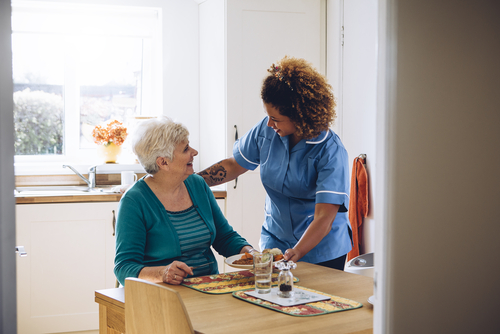
Types of Senior Routine Reports
There are several formats and tools available for documenting routines and care activities. The choice depends on the care setting, the needs of the senior, and the preferences of caregivers and families.
Paper-Based Logs
Traditional paper logs are still widely used in home care and smaller facilities. These may be simple checklists or detailed forms, often kept in a binder for easy reference. While accessible, paper logs can be harder to share remotely and may be prone to errors or omissions.
Digital Reporting Systems
Many organizations are moving to digital platforms that allow for real-time updates and secure sharing. These systems can include mobile apps, web portals, or specialized software. Digital reports often feature reminders, automated alerts, and the ability to generate summaries for medical appointments. For seniors and families interested in technology, devices such as easy tablets for beginners can make accessing these reports more convenient.
Wearable Devices and Automated Tracking
Wearables and smart home devices can automatically record activity levels, sleep patterns, and even medication adherence. These tools can supplement manual reporting and provide objective data for care planning. For example, smart watches designed for older adults can track steps, heart rate, and send alerts if routines are disrupted.
Key Features to Look for in Routine Reporting Tools
When selecting a reporting system or app, consider the following features to ensure it meets your needs:
- User-friendly interface: Easy for caregivers and family members to use, with clear navigation and input options.
- Customizable templates: Ability to tailor reports to specific routines, preferences, and health conditions.
- Secure data sharing: Protects privacy while allowing authorized access for families and healthcare providers.
- Automated reminders: Helps ensure that medications, meals, and activities are not missed.
- Integration with other devices: Syncs with wearables or health monitoring tools for comprehensive tracking.
For more on technology that supports older adults’ wellness and independence, see this overview of essential apps for older adults’ health and wellness.

How to Implement Routine Tracking in Daily Care
Introducing routine documentation into daily care doesn’t have to be complicated. Here are some practical steps to get started:
- Choose the right format: Decide whether a paper log, digital tool, or wearable device best fits your situation.
- Train caregivers: Ensure everyone involved understands how to complete reports accurately and consistently.
- Set clear expectations: Define which activities and health indicators should be recorded and how often.
- Review regularly: Schedule time to review reports with family and healthcare professionals, adjusting care plans as needed.
- Encourage feedback: Invite input from seniors and caregivers to improve the process and address any concerns.
Consistency is key. Even simple daily notes can make a significant difference in identifying trends and supporting well-being.
Integrating Routine Reports with Other Senior Technologies
Routine documentation works best when combined with other supportive technologies. For example, pairing reporting tools with voice controlled tablets can make it easier for seniors to communicate needs or access information. Similarly, smartphones with hearing aid compatibility help ensure that important updates are never missed.
By building a toolkit that includes both routine tracking and communication devices, families and caregivers can create a safer, more responsive environment for older adults.
Common Challenges and Solutions in Routine Reporting
While the benefits are clear, some challenges can arise when implementing routine documentation:
- Time constraints: Caregivers may feel overwhelmed by additional paperwork. Solution: Use simple templates or digital tools that streamline input.
- Privacy concerns: Seniors may worry about sharing personal information. Solution: Choose secure platforms and involve them in setting boundaries.
- Inconsistent reporting: Gaps in documentation can reduce effectiveness. Solution: Set reminders and make reporting part of the daily routine.
Addressing these challenges early ensures that routine tracking remains a helpful, sustainable part of care.
FAQ: Senior Routine Reports and Daily Care Monitoring
How often should routine documentation be completed?
Ideally, reports should be updated daily to capture the most accurate picture of a senior’s well-being. In some settings, updates may occur multiple times per day, especially for medication or health checks.
Who should have access to these reports?
Access should be limited to authorized caregivers, family members, and healthcare professionals. Digital systems often allow for customizable permissions to protect privacy while ensuring that key individuals stay informed.
Can seniors participate in their own routine tracking?
Absolutely. Many older adults appreciate being involved in documenting their routines, especially when using user-friendly digital tools or voice-activated devices. This can promote independence and engagement in their own care.
What if a change is noticed in the reports?
Any significant change—such as a drop in appetite, increased confusion, or new physical symptoms—should be communicated promptly to family and healthcare providers. Early intervention can prevent complications and support better outcomes.
Conclusion
Routine documentation is a cornerstone of quality care for older adults. By tracking daily activities, health indicators, and preferences, caregivers and families can provide more personalized, responsive support. Whether using paper logs, digital apps, or wearable devices, the key is consistency and open communication. Integrating routine tracking with other senior-friendly technologies, such as simple mobile phones for older adults, helps create a safer and more connected environment. As the landscape of senior care evolves, embracing these tools ensures that every individual receives the attention and respect they deserve.