

Staying healthy and active is crucial for older adults aiming to maintain independence and a high quality of life. Senior wellness programs offer structured opportunities to support physical, mental, and social well-being. These initiatives are designed to address the unique needs of older adults, promoting movement, engagement, and safety in daily living. Whether living at home or in a community setting, participating in these programs can make a significant difference in overall health and happiness.
In addition to group activities and fitness classes, many wellness initiatives focus on injury prevention, nutrition, and emotional support. For those interested in optimizing comfort and safety at home, learning about the benefits of a high backrest for seniors can be a valuable first step. By combining practical home adjustments with regular participation in wellness activities, older adults can enjoy a more vibrant and secure lifestyle.

Key Elements of Effective Senior Wellness Initiatives
Comprehensive wellness offerings for older adults typically include a blend of physical activity, social engagement, and educational resources. The most successful programs are tailored to the abilities and interests of participants, ensuring accessibility and enjoyment for everyone involved.
- Physical Fitness: Gentle exercise classes such as yoga, tai chi, walking groups, and water aerobics help maintain mobility, balance, and strength.
- Social Activities: Group outings, hobby clubs, and volunteer opportunities foster connection and reduce feelings of isolation.
- Health Education: Workshops on nutrition, medication management, and chronic disease prevention empower seniors to make informed choices.
- Safety and Fall Prevention: Instruction on home modifications and safe movement can reduce the risk of injury.
- Mental Wellness: Activities like art therapy, music, and memory games support cognitive health and emotional resilience.
Physical Activity and Movement for Older Adults
Regular movement is at the heart of most senior wellness programs. Exercise not only helps maintain muscle mass and flexibility but also supports cardiovascular health and bone density. For those with limited mobility, chair-based exercises and stretching routines provide safe ways to stay active.
Many community centers and senior living facilities offer classes specifically designed for older adults. These classes are led by instructors trained to modify activities for various ability levels, ensuring everyone can participate safely. In addition to organized classes, simple daily habits—such as taking short walks or performing light household chores—can contribute to overall fitness.
Social Engagement and Emotional Well-Being
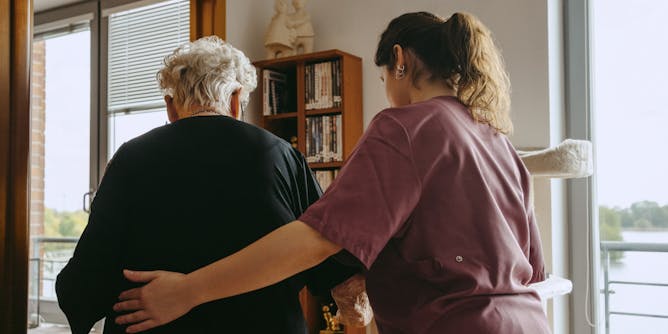
Staying socially connected is a vital part of healthy aging. Wellness initiatives often include group activities that encourage interaction, such as book clubs, gardening, and arts and crafts. These gatherings provide a sense of belonging and purpose, which can help combat loneliness and depression.
Emotional support is equally important. Many programs offer counseling services, peer support groups, or mindfulness workshops. These resources help participants manage stress, cope with change, and build resilience. For those interested in creating a comfortable and supportive home environment, exploring the benefits of breathable fabrics for elderly skin can further enhance comfort and well-being.
Home Safety and Injury Prevention
A safe living environment is essential for maintaining independence. Many wellness initiatives include assessments and recommendations for home modifications, such as installing grab bars, improving lighting, and removing tripping hazards. These changes can significantly reduce the risk of falls and injuries.
For additional guidance on home safety, resources like the National Fire Protection Association’s home safety tips for older adults offer practical advice on preventing accidents and responding to emergencies. Simple devices, such as motion sensor night lights and bed exit alarms, can also provide peace of mind for both seniors and their caregivers.
Nutrition and Healthy Eating Habits
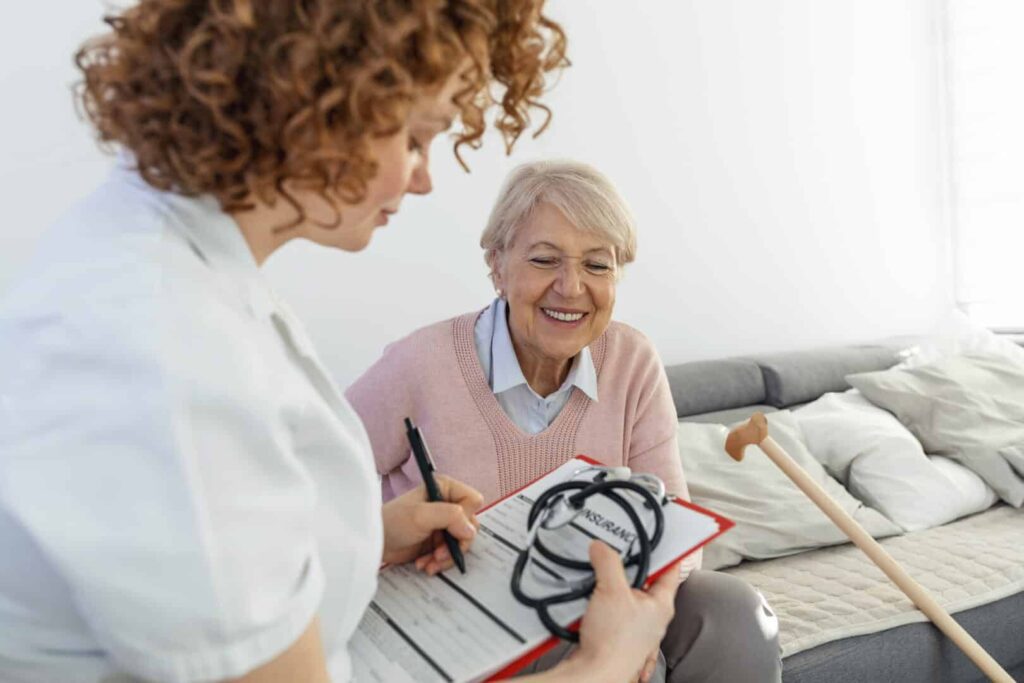
Good nutrition is a cornerstone of wellness for older adults. Many programs include cooking demonstrations, meal planning workshops, and nutrition counseling. These resources help participants make healthier food choices, manage chronic conditions, and maintain energy levels.
Eating well supports immune function, bone health, and cognitive performance. For those who may have difficulty preparing meals, community meal services or group dining opportunities can provide both nourishment and social interaction.
Choosing the Right Wellness Program
Selecting the most suitable initiative depends on individual needs, interests, and health status. When evaluating options, consider the following:
- Does the program offer a variety of activities that match your preferences?
- Are instructors or facilitators trained to work with older adults?
- Is the environment accessible and welcoming?
- Does the program address both physical and emotional well-being?
- Are there opportunities for social connection and community involvement?
For those who spend extended periods in recliners, learning about the risks of sleeping in a recliner for seniors and how to use a recliner for sleeping safely can further support wellness goals.
Frequently Asked Questions
What types of activities are included in senior wellness offerings?
Most programs feature a mix of exercise classes, social events, educational workshops, and health screenings. Activities are designed to promote movement, mental stimulation, and social interaction, with options tailored to different ability levels.
How can older adults participate if they have mobility challenges?
Many wellness initiatives offer adaptive classes and activities, such as chair yoga or seated strength training. Instructors can modify exercises to accommodate individual needs, ensuring everyone can join in safely.
Are there resources to help make the home safer for seniors?
Yes, many programs provide home safety assessments and recommendations for modifications like grab bars, improved lighting, and fall prevention devices. For more information, you can explore the NFPA’s home safety tips for older adults.
Can participating in wellness programs help with emotional health?
Absolutely. Group activities, peer support, and counseling services offered through these programs help combat loneliness, reduce stress, and build emotional resilience.
Conclusion
Embracing a proactive approach to health and well-being is essential for aging adults. By engaging in a variety of wellness activities—ranging from fitness classes and social events to home safety improvements—older adults can enjoy greater independence, comfort, and happiness. Exploring resources such as the pros and cons of lay-flat recliners or the advantages of breathable fabrics can further enhance daily living. With the right support and information, every senior can build a lifestyle that is both active and fulfilling.