

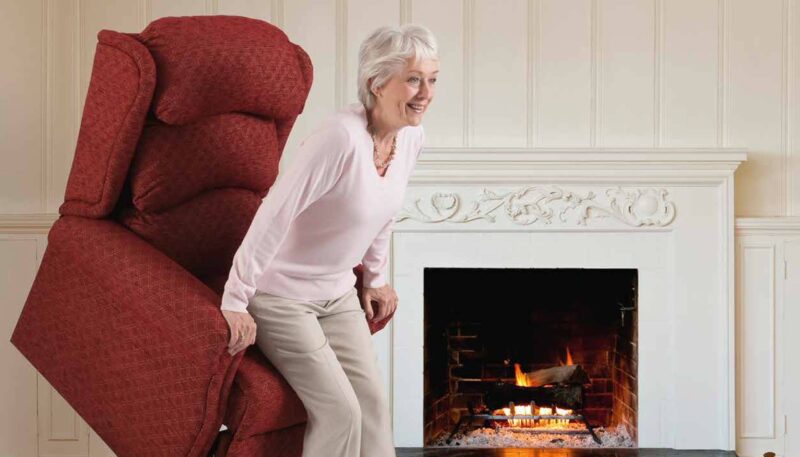
Designing a living room that is both comfortable and safe for older adults requires thoughtful planning. The right arrangement can help prevent falls, promote independence, and make daily life more enjoyable. Choosing the best recliners and arranging furniture with accessibility in mind can transform a standard space into a welcoming environment for seniors. This guide shares practical tips for senior-friendly living room layouts, focusing on comfort, safety, and ease of use.
Before diving into layout strategies and furniture selection, it’s helpful to understand the unique needs of seniors. Prioritizing clear pathways, supportive seating, and accessible controls can make a significant difference. For those interested in learning more about ergonomic seating, the benefits of a high backrest for seniors are worth considering, as proper support is essential for comfort and posture.
Key Principles for Accessible Living Room Arrangements
Creating a safe and inviting living area starts with a few core principles. Here are some essential considerations for senior-friendly living room layouts:
- Clear Pathways: Ensure there is at least 36 inches of space between furniture pieces. This allows for easy movement, especially for those using walkers or canes.
- Stable Furniture: Choose chairs and tables that do not wobble. Avoid lightweight pieces that could tip over if leaned on.
- Low-Profile Rugs: If using area rugs, select ones with non-slip backing and minimal pile to reduce tripping hazards.
- Accessible Controls: Place light switches, remotes, and frequently used items within easy reach. Consider touch lamps or smart lighting for added convenience.
- Good Lighting: Use a combination of ambient, task, and accent lighting. Well-lit spaces help prevent accidents and make reading or hobbies more enjoyable.
By following these guidelines, you can create a living space that feels open, safe, and easy to navigate.
Choosing the Best Recliner for Seniors
Recliners are a popular choice for seniors, offering both comfort and support. However, not all recliners are created equal. When selecting a chair, consider the following features:
- Lift Assistance: Lift chairs gently raise the user to a standing position, reducing strain on knees and hips.
- Supportive Backrest: A high back and firm lumbar support help maintain good posture and reduce fatigue. For more details on this topic, see the benefits of a high backrest for seniors.
- Easy-to-Use Controls: Large, clearly labeled buttons or remote controls are easier for those with limited dexterity.
- Sturdy Construction: Look for chairs made from durable materials with a stable base to prevent tipping.
- Upholstery: Choose fabrics that are easy to clean and not slippery. Leather or microfiber are often good options.
Understanding the difference between 2-position and 3-position recliners can also help you select the right model for your needs. Some seniors may benefit from a 3-position lift chair for added flexibility and comfort.

Arranging Furniture for Safety and Comfort
Once you’ve chosen the right seating, it’s time to arrange the living room. Here are some tips for senior-friendly living room layouts that enhance both safety and comfort:
- Centralize Seating: Place the main recliner or sofa in a spot with a clear view of the TV and windows, but avoid blocking pathways.
- Keep Essentials Nearby: Side tables should be within arm’s reach for drinks, books, or remotes. Avoid sharp corners to reduce injury risk.
- Minimize Clutter: Remove unnecessary furniture and décor. Open spaces are easier to navigate and safer for those with mobility aids.
- Consider Wheelchair Access: If a wheelchair is used, ensure there is enough turning radius and that doorways are at least 32 inches wide.
- Secure Cords and Wires: Use cord covers or clips to keep electrical cords out of walkways.
For those who use walkers, it’s helpful to review advice on how to use a recliner with a walker to ensure safe transitions between seating and standing.
Maintaining a Healthy Environment
Beyond layout and furniture, maintaining a clean and healthy environment is crucial for seniors. Here are a few simple strategies:
- Air Quality: Use air purifiers or open windows regularly to keep the air fresh.
- Allergen Control: Choose hypoallergenic fabrics and vacuum frequently to reduce dust and allergens.
- Pressure Relief: Seniors who spend extended time in recliners should shift positions regularly. Learn more about how to prevent pressure sores in recliners for additional guidance.
These steps help support overall well-being and comfort in the living room.

Additional Resources and Expert Guidance
For more in-depth advice on choosing the right chair, the comprehensive guide to reclining chairs for elderly people offers expert recommendations and product comparisons. Exploring these resources can help you make informed decisions that suit your specific needs and preferences.
Frequently Asked Questions
What features should I look for in a recliner for seniors?
Look for lift assistance, supportive backrests, easy-to-use controls, sturdy construction, and easy-to-clean upholstery. These features make recliners safer and more comfortable for older adults.
How can I make my living room safer for someone with limited mobility?
Keep pathways clear, use non-slip rugs, secure cords, and ensure furniture is stable. Place commonly used items within easy reach and use adequate lighting to reduce the risk of falls.
Are there specific layout tips for seniors who use walkers or wheelchairs?
Yes. Ensure there is enough space for mobility aids to maneuver, keep doorways wide, and avoid placing obstacles in walking paths. Furniture should be arranged to allow easy access to seating and exits.
How often should recliners be cleaned in a senior’s living room?
Clean recliners regularly, at least once a week, to remove dust and allergens. Spot-clean spills immediately and follow the manufacturer’s care instructions for upholstery.
What is the difference between a 2-position and a 3-position recliner?
A 2-position recliner typically offers upright and slightly reclined positions, while a 3-position model allows for a fully reclined, flat position. Learn more about the difference between 2-position and 3-position recliners for detailed insights.