

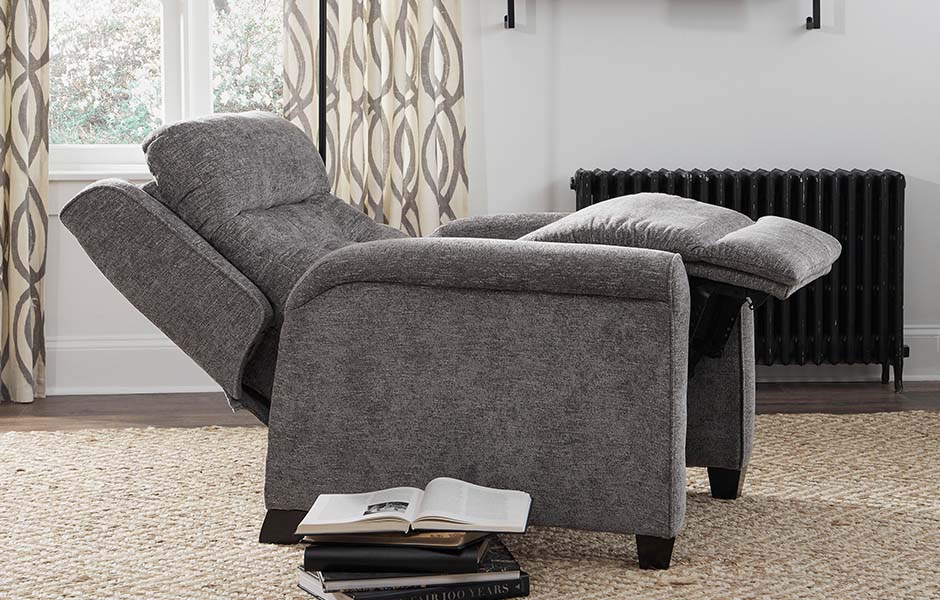
As people age, comfort and accessibility in everyday furniture become increasingly important. One essential feature that can make a significant difference is a wide seating area. For older adults, having more space to sit, shift, and relax can enhance both physical well-being and overall quality of life. This article explores the practical advantages of spacious seating for seniors, including improved comfort, safety, and independence.
Choosing the right chair or recliner involves more than just aesthetics. Seniors often face mobility challenges, joint stiffness, and other health concerns that make traditional, narrow seats less suitable. By understanding the benefits of a wide seating area for seniors, families and caregivers can make better decisions when selecting furniture for their loved ones.
When evaluating seating options, it’s also important to consider safety features and maintenance. For guidance on ensuring your furniture meets the necessary standards, see how to check a recliner’s safety certifications.
Why Spacious Seating Matters for Older Adults
Many seniors experience reduced mobility and flexibility, making it harder to get in and out of chairs that are too narrow or confining. A wider seat allows for easier movement, reducing the risk of falls or awkward postures. This extra space can also accommodate assistive devices, such as cushions or transfer boards, which are often used to enhance comfort and support.
Additionally, a generous seating area helps prevent pressure points and discomfort during extended periods of sitting. For those who spend much of their day in a chair or recliner, this can make a noticeable difference in daily comfort and health.
Key Advantages of a Wide Seating Area for Seniors
There are several compelling reasons to prioritize a broad seat when selecting furniture for older individuals. Let’s look at the most significant benefits:
- Enhanced Comfort: More room means less restriction, allowing seniors to shift positions, stretch, or even sit with a companion if desired.
- Improved Circulation: Narrow seats can restrict blood flow, especially in the legs and hips. A wider area reduces this risk and promotes better circulation.
- Greater Accessibility: Seniors with mobility aids or those who need assistance from caregivers benefit from the extra space, making transfers safer and easier.
- Reduced Risk of Pressure Sores: By distributing weight more evenly, a spacious seat helps prevent the development of pressure ulcers, which are common among those who sit for long periods.
- Support for Varied Body Types: Not all seniors have the same body shape or size. A wide seat accommodates a broader range of users, ensuring everyone can sit comfortably.
How Wide Seating Supports Comfort and Health
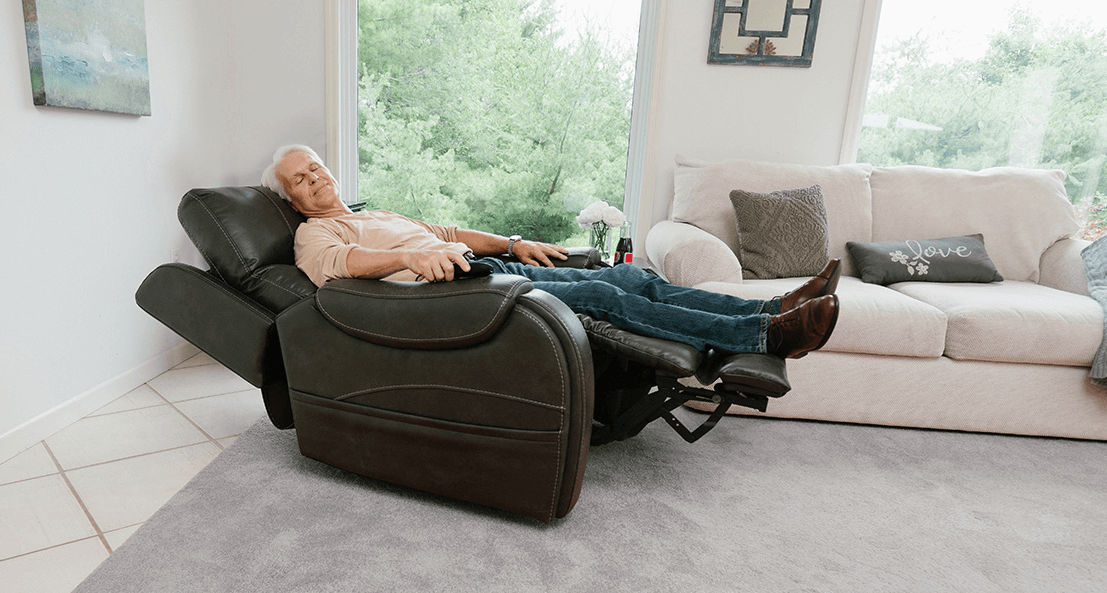
Comfort is not just about softness or cushioning—it’s also about having enough space to sit naturally. Seniors often need to adjust their position to relieve pressure or accommodate medical devices. A chair with a generous seat width allows for these adjustments without feeling cramped.
Health professionals often recommend wide seating for those at risk of developing pressure sores or circulation issues. By allowing for frequent movement and better weight distribution, these chairs help maintain skin integrity and reduce discomfort. For more tips on maintaining your recliner, see how to clean a recliner after a spill.
Safety and Independence: The Role of a Spacious Seat
One of the most important considerations for seniors is the ability to use furniture independently and safely. Chairs with a wide seat base make it easier to stand up or sit down, reducing the likelihood of slips or falls. This is especially true for those who use walkers or need help from a caregiver, as the extra space provides more room to maneuver.
Some recliners and chairs are designed with additional safety features, such as sturdy armrests and non-slip bases, which further enhance security. For seniors living in smaller spaces, it’s also worth considering the benefits of a wall-hugger design for seniors, which maximizes floor space without sacrificing comfort.

Choosing the Right Wide Seat Recliner
When shopping for a recliner or chair with a spacious seat, there are several factors to keep in mind:
- Seat Width: Look for models that offer at least 20–22 inches of seating space. Some specialty chairs provide even more room.
- Supportive Cushioning: Firm, high-density foam or memory foam can offer both comfort and durability.
- Easy-to-Clean Materials: Seniors may benefit from stain-resistant fabrics or removable covers. For cleaning advice, refer to how to clean a recliner after a spill.
- Adjustable Features: Recliners with adjustable backrests, footrests, or lift mechanisms can further enhance comfort and accessibility. For more on this, see tips for choosing a recliner with a footrest extension.
- Safety Certifications: Always check that the product meets relevant safety standards. For more information, visit how to check a recliner’s safety certifications.
Expert Recommendations and Additional Resources
Many occupational therapists and senior care professionals recommend wide seating as a simple yet effective way to improve daily comfort and safety. For a detailed overview of suitable recliners, see this comprehensive guide to reclining chairs for elderly users. These resources can help you compare features, read reviews, and make an informed purchase.
For those with specific health needs, such as respiratory issues or sleep concerns, consider learning about the benefits of reclining for respiratory issues as well.
Frequently Asked Questions
What is the ideal seat width for seniors?
Most experts recommend a seat width of at least 20–22 inches for older adults. This provides enough space for comfort, movement, and the use of assistive devices. Some individuals may require even wider seats, depending on their body type and mobility needs.
How does a wide seat help prevent pressure sores?
A spacious seating area distributes body weight more evenly, reducing pressure on specific points such as the hips and tailbone. This helps lower the risk of developing pressure ulcers, especially for seniors who spend long periods sitting.
Are wide seat recliners more difficult to fit in small rooms?
While larger chairs do take up more space, many modern designs offer compact footprints or wall-hugger features. These options allow you to enjoy the comfort of a wide seat without sacrificing valuable floor space.
Conclusion
Investing in a chair or recliner with a generous seating area can greatly improve comfort, safety, and independence for seniors. By considering the unique needs of older adults and choosing furniture with the right features, families and caregivers can create a more supportive and enjoyable living environment.