

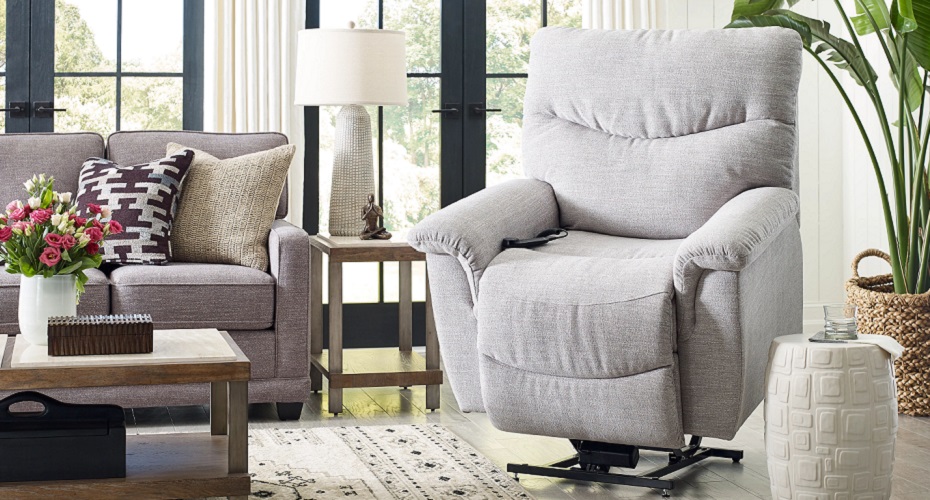
Finding the right recliner for someone living with dementia is about more than just comfort. It’s a decision that directly impacts safety, independence, and daily wellbeing. Recliners designed for seniors with cognitive challenges must address unique needs—reducing fall risk, supporting mobility, and minimizing confusion or frustration. In this guide, we’ll walk through the most important considerations for selecting a safe and supportive chair for dementia care.
From essential safety features to fabric choices and ease of use, every detail matters. By understanding what to look for, families and caregivers can make informed decisions that help loved ones remain comfortable and secure at home. For those interested in additional ergonomic benefits, the benefits of a high backrest for seniors are also worth exploring as part of your research.
Key Safety Features When Selecting a Recliner for Dementia
When evaluating recliners for individuals with memory loss, safety should always be the top priority. Here are the most important features to consider:
- Stable Base and Anti-Tip Design: A wide, sturdy base helps prevent tipping, even if the user shifts their weight suddenly.
- Easy-to-Operate Controls: Simple, intuitive buttons or levers reduce confusion. Avoid complicated remotes or controls with too many options.
- Power Lift Function: Lift chairs gently assist users to a standing position, reducing the risk of falls. For more on the advantages, see the top benefits of lift chair recliners for comfort, mobility, and independence.
- No Sharp Edges or Protruding Parts: Smooth, rounded arms and edges help prevent bumps and injuries.
- Locking Mechanisms: Some recliners offer locks to keep the chair in a safe position, preventing accidental movement.
Choosing a model with these features can significantly reduce hazards and make daily use safer for those with cognitive decline.
Comfort and Support: What Matters Most
Beyond safety, comfort is crucial for anyone spending extended time in a recliner. Dementia patients may have difficulty communicating discomfort, so it’s important to select a chair that provides:
- Proper Lumbar and Neck Support: Adequate cushioning in the lower back and neck helps prevent aches and pressure sores. High-back designs are especially beneficial.
- Gentle Reclining Motion: Smooth, gradual movement is less startling and easier for those with sensory sensitivities.
- Breathable, Soft Fabrics: Materials that are gentle on the skin and allow airflow reduce the risk of irritation. Learn more about the benefits of breathable fabrics for elderly skin and comfort.
- Ample Seat Depth and Width: The chair should fit the user’s body size without being too deep or too narrow. For petite users, see this fit guide for petite elderly adults.
Comfort features not only improve quality of life but also encourage regular use, which can help maintain mobility and independence.

Ease of Use: Controls and Accessibility
For individuals with dementia, complicated mechanisms can cause frustration or even injury. Look for recliners that offer:
- Large, Clearly Marked Buttons: Controls should be easy to see and operate, with tactile feedback.
- Minimalist Remote Layout: Fewer buttons and clear labeling reduce confusion.
- Manual Options: In some cases, a simple manual lever may be preferable to electronics, especially if power outages are a concern.
It’s also helpful to choose a chair with side pockets for storing remotes, glasses, or other essentials. Discover the benefits of side pockets in senior recliners for added convenience and organization.
Material Choices: Hygiene and Maintenance
Recliners for dementia care should be easy to clean and maintain. Consider these factors:
- Stain-Resistant Upholstery: Accidents are common, so opt for fabrics that can be wiped clean or are machine washable.
- Hypoallergenic Materials: Reduce the risk of allergic reactions by choosing non-irritating fabrics.
- Color and Pattern: Neutral, calming colors are less likely to cause agitation. Avoid busy patterns, which can be confusing.
Durable, low-maintenance materials help keep the chair looking and feeling fresh, even with daily use.

Mobility Support and Transfer Assistance
Getting in and out of a recliner can be a challenge for those with limited mobility or balance issues. To support safe transfers, look for:
- Power Lift Mechanisms: These gently raise the seat, making it easier to stand up without straining.
- Sturdy Armrests: Well-padded, stable arms provide leverage and support when sitting or rising.
- Lay-Flat Options: Some recliners can recline fully flat, which may be helpful for rest or for caregivers assisting with transfers. For more details, see what is a lay flat recliner for seniors and its pros and cons.
These features help promote independence while reducing the risk of falls and injuries during transfers.
Size, Fit, and Room Placement
It’s important to choose a recliner that fits both the user and the available space. Consider:
- Seat Height: The user’s feet should rest flat on the floor when seated, with knees at a 90-degree angle.
- Overall Dimensions: Measure the room to ensure the chair fits comfortably, even when fully reclined.
- Proximity to Outlets: Power recliners need access to an electrical outlet. Avoid running cords across walkways.
- Clear Pathways: Place the recliner where it won’t block doors or create tripping hazards.
Proper sizing and placement make daily use easier and safer for both the user and caregivers.
Frequently Asked Questions
What type of recliner is safest for dementia patients?
The safest options are power lift recliners with a stable, anti-tip base, easy-to-use controls, and locking positions. These features help prevent falls and make it easier for users to get in and out of the chair independently.
How can I make a recliner easier to use for someone with memory loss?
Choose a model with large, clearly labeled buttons or a simple manual lever. Side pockets for storing remotes and essentials can also help. Avoid complicated controls or features that may cause confusion.
Are certain fabrics better for seniors with dementia?
Yes, breathable, soft, and stain-resistant fabrics are ideal. Hypoallergenic materials reduce the risk of skin irritation, and neutral colors help create a calming environment.