

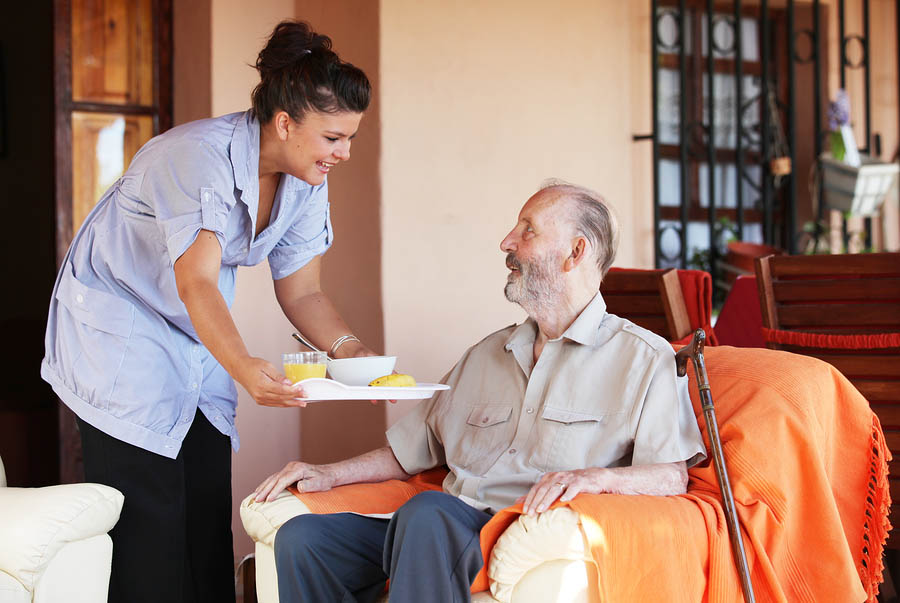
Finding the right apparel for older adults can make a significant difference in daily comfort, independence, and well-being. As mobility, dexterity, and skin sensitivity change with age, traditional garments may no longer meet the needs of seniors. That’s where senior-friendly clothing comes in—designed specifically to address the unique challenges faced by older individuals, these garments prioritize ease of use, safety, and comfort.
Whether you’re a caregiver, family member, or senior yourself, understanding what makes apparel accessible and practical can help maintain dignity and promote autonomy. In this article, we’ll explore essential features, material choices, and helpful tips for choosing adaptive wear. For those interested in optimizing overall comfort, you might also want to learn about the benefits of breathable fabrics for elderly skin, which can further enhance the daily experience for older adults.
Key Features of Adaptive Apparel for Seniors
The best senior-friendly clothing is designed with specific features that address the needs of older adults. These features help make dressing and undressing easier, reduce the risk of falls, and provide all-day comfort.
- Easy Closures: Magnetic snaps, Velcro fasteners, and large zippers replace small buttons or hooks, making garments easier to manage for those with arthritis or limited hand strength.
- Wide Openings: Clothes with larger necklines, armholes, and pant legs simplify dressing, especially for those with limited mobility or who use mobility aids.
- Non-Slip Soles: For footwear, non-skid soles are essential to prevent slips and falls around the home.
- Tagless Labels: Removing tags or using printed labels helps prevent skin irritation and discomfort.
- Side or Back Closures: For those who need assistance dressing, side or back closures allow caregivers to help without excessive movement or discomfort for the wearer.
Choosing the Right Materials for Sensitive Skin
The fabric used in adaptive wear is just as important as the garment’s design. Seniors often have more delicate skin, which can be prone to irritation or pressure sores. Soft, breathable, and hypoallergenic materials are ideal. Cotton, bamboo, and moisture-wicking blends help regulate temperature and reduce the risk of skin problems.
For more insights on how fabric choices impact comfort, see our guide on the benefits of breathable fabrics for elderly skin.
Safety Considerations in Senior Apparel
Safety is a top priority when selecting garments for older adults. Clothes that are too long, loose, or have trailing ties can increase the risk of tripping. Look for pants and skirts with appropriate lengths and avoid garments with excess fabric. Shoes should have sturdy, non-slip soles and fit securely to prevent falls.
Additionally, adaptive clothing often incorporates features like high-contrast fasteners for those with vision challenges and easy-access pockets for medical devices or emergency contacts.
How Senior-Friendly Clothing Supports Independence
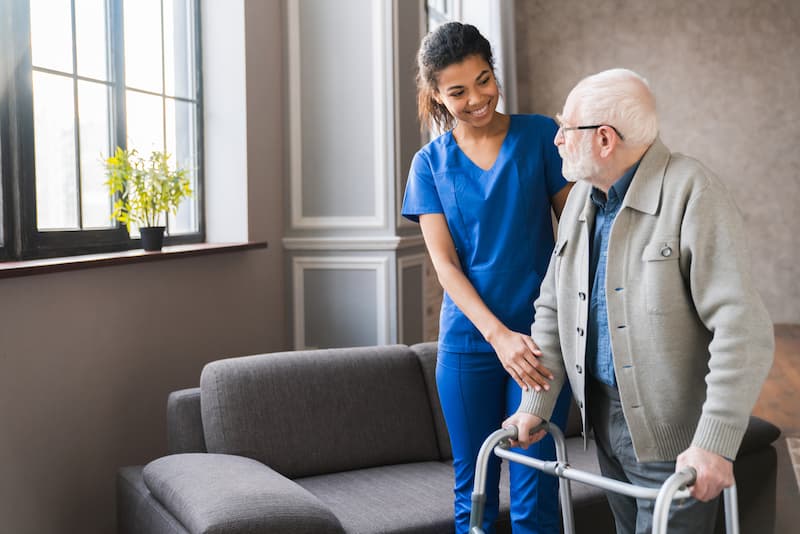
Maintaining independence is a key goal for many older adults. Adaptive garments can empower seniors to dress themselves with minimal assistance, boosting confidence and preserving dignity. Features like elastic waistbands, slip-on shoes, and front-fastening tops are particularly helpful for those with limited flexibility or strength.
For caregivers, these garments reduce the physical strain of assisting with dressing and can speed up daily routines. This allows more time for meaningful activities and social engagement.
Tips for Selecting Adaptive Wear for Loved Ones
When choosing adaptive apparel, consider the following practical tips:
- Assess the individual’s mobility, dexterity, and specific health conditions.
- Look for garments that match personal style preferences to encourage regular use.
- Choose easy-care fabrics that can withstand frequent washing.
- Opt for clothing with minimal seams and soft finishes to reduce skin irritation.
- Involve the wearer in the selection process whenever possible to ensure comfort and satisfaction.
Additional Comfort and Safety Products for Seniors
In addition to adaptive wear, there are many products designed to enhance safety and comfort in daily life. For example, motion sensor night lights can help prevent nighttime falls, and bed exit alarms can alert caregivers if a loved one attempts to get up unassisted.
If you’re interested in optimizing the home environment, you may also want to explore the benefits of a high backrest for seniors or learn about what is a lay flat recliner for seniors to further support comfort and safety.

Resources for Mobility and Daily Living
Alongside adaptive apparel, maintaining mobility and physical activity is crucial for seniors’ health. Incorporating simple movement routines can help preserve flexibility and strength. For guidance, check out these mobility exercises for older adults that are designed to be safe and effective.
If you’re considering sleep solutions, you may also find it helpful to read about how to use a recliner for sleeping or be aware of the risks of sleeping in a recliner for seniors.
Frequently Asked Questions
What types of closures are best for older adults with arthritis?
Magnetic snaps, Velcro, and large zippers are highly recommended for those with arthritis or limited hand dexterity. These closures are easier to manage than traditional buttons or hooks, reducing frustration and promoting independence.
How do I choose the right size and fit for adaptive clothing?
Look for garments with adjustable features such as elastic waistbands and roomy cuts. Many brands offer sizing charts—measure carefully and consider the wearer’s mobility needs. If in doubt, opt for a slightly looser fit to maximize comfort and ease of movement.
Are there specific fabrics that help prevent skin irritation?
Yes, soft and breathable materials like cotton, bamboo, and moisture-wicking blends are ideal. These fabrics help regulate temperature and minimize friction, which is especially important for seniors with sensitive skin.