

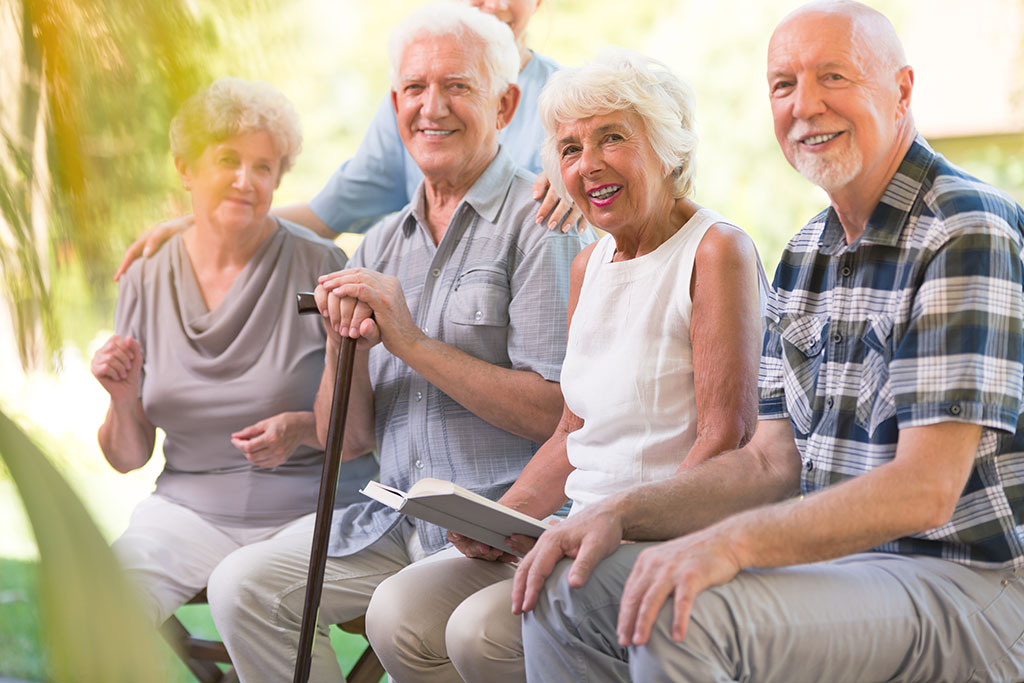
As the global population ages, ensuring the well-being of older adults has become a growing concern for families, caregivers, and healthcare professionals. Machine learning for senior safety is transforming how risks are detected and managed, allowing seniors to maintain independence while reducing the likelihood of accidents and emergencies. By leveraging data-driven insights, these advanced systems can identify subtle changes in behavior, predict potential hazards, and alert caregivers before incidents occur.
The integration of artificial intelligence into home monitoring and care solutions is not just about technology—it’s about supporting dignity, autonomy, and peace of mind. From fall detection to medication reminders, smart tools powered by machine learning are making it possible to deliver personalized, proactive care. For those interested in exploring related innovations, smart assistance for elderly independence offers a look at helpful gadgets designed to empower older adults in daily life.
How Artificial Intelligence Enhances Senior Risk Detection
Traditional safety solutions for older adults—such as emergency call buttons or scheduled check-ins—often rely on manual intervention and may not detect subtle warning signs. In contrast, machine learning for senior safety uses algorithms that analyze patterns in daily activities, movement, and even speech to identify potential risks early. These systems can learn what is “normal” for each individual and flag deviations that might indicate a fall, wandering, or health decline.
For example, smart sensors placed throughout the home can monitor movement and recognize if a senior is spending more time in bed, skipping meals, or visiting the bathroom more frequently. When combined with wearable devices, these technologies provide a comprehensive view of well-being and can trigger alerts for caregivers or family members if something seems amiss.
Key Applications of Machine Learning in Elderly Care
The use of artificial intelligence in senior care is rapidly expanding. Here are some of the most impactful areas where these technologies are making a difference:
- Fall Detection and Prevention: Advanced sensors and cameras use machine learning models to distinguish between normal movement and falls, enabling immediate response and reducing the risk of serious injury.
- Wandering Alerts: For individuals with dementia or cognitive decline, AI-powered monitoring systems can detect unusual exits or movement patterns and notify caregivers before a dangerous situation develops.
- Medication Management: Smart pill dispensers and reminders use predictive analytics to ensure medications are taken on time, reducing the risk of missed doses or accidental overdoses.
- Health Monitoring: Wearables track vital signs and activity levels, with machine learning algorithms identifying trends that may indicate health issues such as infections, dehydration, or heart problems.
For those interested in real-time solutions, real time home monitoring for seniors explores how instant updates can further enhance safety and peace of mind.
Benefits of Smart Risk Detection for Seniors and Caregivers
The adoption of machine learning for senior safety brings several important benefits:
- Early Intervention: By identifying risks before they escalate, AI-driven systems help prevent accidents and hospitalizations.
- Personalized Care: Machine learning adapts to the unique habits and needs of each individual, providing tailored support rather than one-size-fits-all solutions.
- Reduced Caregiver Burden: Automated alerts and monitoring allow caregivers to focus on meaningful interactions, knowing that technology is providing an extra layer of vigilance.
- Greater Independence: Seniors can remain in their own homes longer, with confidence that risks are being monitored discreetly and effectively.
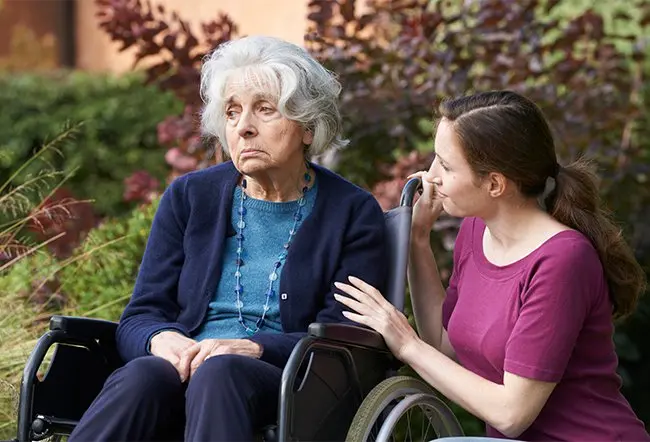
Privacy and Ethical Considerations in AI-Powered Senior Care
While the advantages of smart monitoring are clear, privacy remains a top concern. Non-intrusive systems that respect personal boundaries are essential for maintaining trust and dignity. Many solutions now use anonymized data, avoid video recording in private spaces, and allow seniors to control what information is shared.
For a deeper look at how technology can respect boundaries, minimal intervention elder care tools highlights products designed to offer support without unnecessary intrusion.
It’s also important to ensure that machine learning models are transparent and explainable. Caregivers and families should understand how decisions are made and have the ability to override or adjust system settings as needed. Collaboration between technology providers, healthcare professionals, and advocacy groups is crucial to establish guidelines that protect both safety and autonomy.
Challenges and Future Directions for AI in Senior Safety
Despite the promise of machine learning for senior safety, several challenges remain. Data quality and diversity are critical—algorithms must be trained on representative datasets to avoid bias and ensure accuracy across different populations. Integration with existing healthcare systems and workflows can also be complex, requiring collaboration between technology companies and care providers.
Looking ahead, advances in sensor technology, natural language processing, and predictive analytics will make risk detection even more precise and proactive. The future may include seamless integration with smart home devices, voice assistants, and telehealth platforms, creating a comprehensive ecosystem for aging in place.
For those interested in broader trends, senior wellness technology trends explores how innovation is shaping the future of elder care.
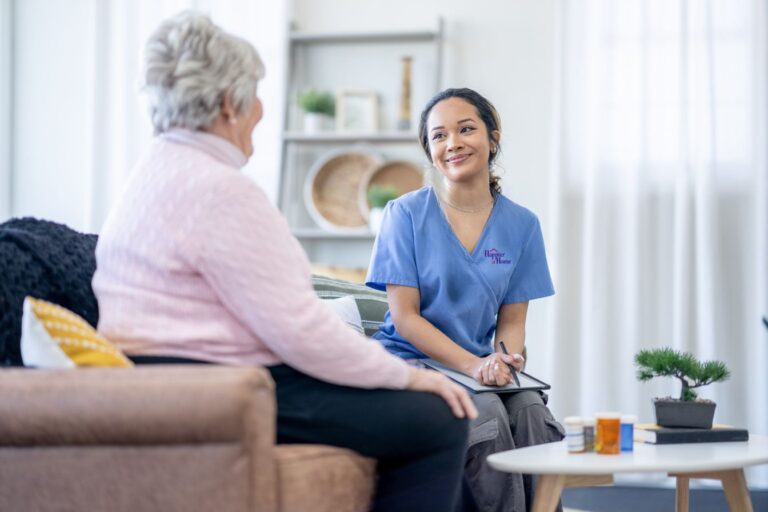
Choosing the Right Smart Safety Solutions
Selecting the best AI-powered safety system depends on the needs and preferences of the senior and their support network. Factors to consider include:
- Level of Monitoring: Some may prefer discreet sensors, while others are comfortable with more comprehensive tracking.
- Integration with Other Devices: Compatibility with existing home automation or medical devices can streamline care.
- Ease of Use: User-friendly interfaces and straightforward setup are essential for adoption.
- Support and Reliability: Look for solutions with strong customer support and proven track records.
For more information on hands-free options, automated elder care solutions provides insights into tools that enhance safety with minimal effort.
Non-Intrusive Monitoring and Remote Support
The latest advancements in machine learning for senior safety emphasize non-intrusive monitoring, allowing older adults to live comfortably without feeling constantly watched. Remote monitoring platforms can provide peace of mind for families, especially when combined with professional oversight. For a detailed overview of these technologies, elderly non-intrusive remote monitoring discusses the latest developments and best practices in the field.
FAQ
How does machine learning help prevent falls among seniors?
Machine learning algorithms analyze movement patterns from sensors and wearables to detect changes that may indicate instability or a high risk of falling. By identifying these patterns early, the system can alert caregivers or trigger preventative measures, reducing the likelihood of serious injuries.
Are AI-powered safety systems difficult for seniors to use?
Most modern solutions are designed to be user-friendly and require minimal interaction from the senior. Many operate in the background, automatically monitoring activity and only sending alerts when necessary. Setup and customization are typically handled by caregivers or family members.
What privacy protections are available with smart monitoring tools?
Reputable systems prioritize privacy by using anonymized data, limiting video monitoring to public areas, and allowing users to control what information is shared. It’s important to review privacy policies and choose solutions that align with the senior’s comfort level and legal requirements.