

Ensuring the well-being of older adults at home or in care facilities is a growing concern for families and caregivers. As the population ages, innovative solutions are needed to help seniors maintain independence while reducing risks associated with living alone or with limited supervision. Occupancy monitoring for elderly safety has emerged as a practical approach to address these challenges, using technology to track movement and presence in different rooms. This not only helps prevent accidents but also provides peace of mind for loved ones and care professionals.
Room tracking systems, including motion sensors and bed alarms, are designed to detect activity and alert caregivers to unusual patterns or emergencies. By combining real-time data with smart notifications, these tools can play a crucial role in fall prevention, wandering management, and timely intervention. For those interested in exploring more about technology-driven support for seniors, resources like smart assistance for elderly independence offer additional insights into helpful devices and strategies.

How Room Tracking Enhances Senior Well-Being
Room tracking is a core component of occupancy monitoring for elderly safety. By using discreet sensors placed in bedrooms, bathrooms, and living areas, these systems can detect when someone enters or leaves a space. If a senior spends an unusual amount of time in one room, or fails to return to bed after a bathroom visit, the system can send alerts to caregivers or family members.
This proactive approach helps prevent incidents such as falls, which are a leading cause of injury among older adults. Early detection of inactivity or unexpected movement patterns enables faster response times, reducing the risk of serious consequences. In addition, room tracking supports routines and independence, allowing seniors to move freely while maintaining a safety net.
For those seeking more comprehensive solutions, real time home monitoring for seniors provides instant updates and can be integrated with room tracking for a holistic safety strategy.
Key Benefits of Occupancy Monitoring Solutions
Implementing occupancy monitoring for elderly safety offers several important advantages:
- Fall Prevention: Immediate alerts if a senior leaves bed at night or spends too long in the bathroom.
- Wandering Management: Notifies caregivers if someone enters restricted or unsafe areas.
- Routine Support: Helps track daily activity patterns, supporting healthy habits and early detection of changes in behavior.
- Peace of Mind: Family members and caregivers can check in remotely, reducing anxiety and the need for constant supervision.
- Respect for Privacy: Non-intrusive sensors allow seniors to maintain dignity and autonomy, unlike constant video surveillance.
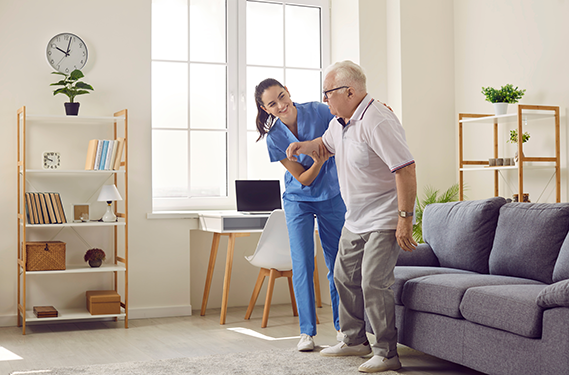
Types of Room Tracking Technologies for Elderly Care
There are several types of room tracking solutions available, each with unique features suited for different living environments:
- Motion Sensors: Detect movement in specific rooms and can trigger alerts if no activity is detected for a set period.
- Bed and Chair Alarms: Monitor when a person gets up from bed or a chair, ideal for fall risk management.
- Door and Window Sensors: Notify caregivers if doors or windows are opened, helping to prevent wandering or unauthorized exits.
- Wearable Devices: Some systems integrate with smartwatches or pendants that track location and can send emergency signals.
For those who prefer minimal disruption to daily life, minimal intervention elder care tools offer solutions that respect privacy while still providing essential safety features.
Choosing the Right Monitoring System
Selecting the best occupancy monitoring system depends on several factors, including the senior’s mobility, cognitive health, and living situation. Here are some considerations:
- Home Layout: Larger homes may require multiple sensors for comprehensive coverage.
- Level of Independence: Seniors who are mostly independent may prefer less intrusive systems, while those with dementia may need more robust monitoring.
- Integration: Some systems can connect with smart home devices, medical alert systems, or caregiver apps for seamless management.
- Ease of Use: Look for solutions that are easy to install, maintain, and operate, especially for non-technical users.
- Privacy: Opt for non-camera-based systems if privacy is a top concern.
Technology is rapidly advancing in this field. According to this overview of how technology improves senior home care, integrating smart monitoring with other digital health tools can further enhance safety and quality of life for older adults.
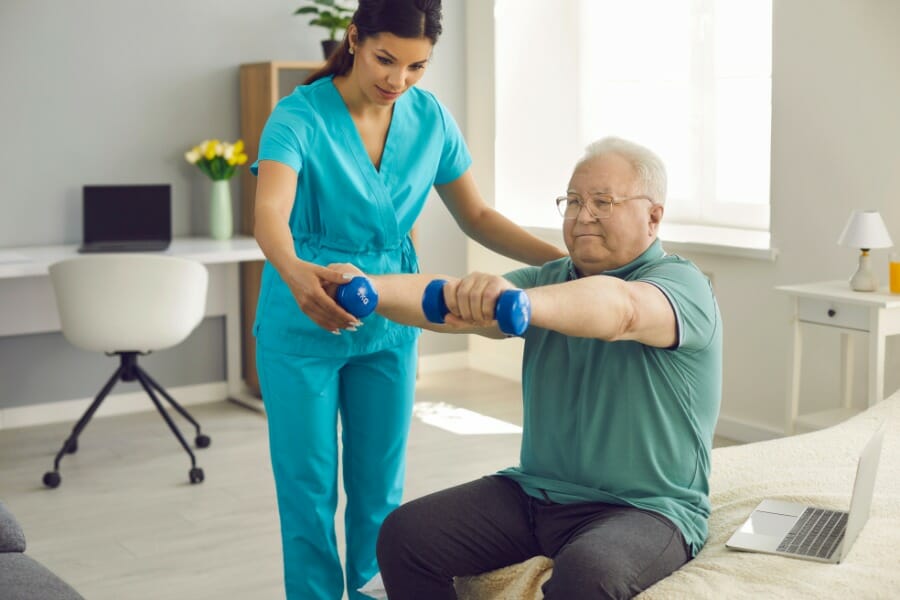
Integrating Monitoring with Broader Elder Care Strategies
While room tracking is a powerful tool, it works best when combined with other elder care technologies and practices. For example, pairing occupancy sensors with automated lighting can reduce nighttime falls, while linking alerts to caregiver apps ensures prompt responses. Those interested in a hands-off approach may benefit from automated elder care solutions that streamline safety without constant manual oversight.
It’s also important to regularly review and update monitoring systems as needs change. Consulting with healthcare professionals and involving seniors in decision-making can help tailor solutions to individual preferences and requirements.
Addressing Privacy and Ethical Considerations
Respecting the dignity and autonomy of older adults is essential when implementing any monitoring technology. Non-intrusive sensors, clear communication about how data is used, and options for customization can help balance safety with privacy. Families should discuss expectations and boundaries with seniors, ensuring that monitoring is seen as a support rather than an invasion.
For those interested in the latest trends, senior wellness technology trends highlight new developments in elder care that prioritize both safety and quality of life.
Frequently Asked Questions
What is occupancy monitoring and how does it help seniors?
Occupancy monitoring uses sensors to track movement and presence in different rooms. This helps caregivers know if a senior is safe, detect falls or wandering, and respond quickly to emergencies. It supports independence while providing an added layer of protection.
Are room tracking systems intrusive for elderly residents?
Most room tracking solutions rely on motion or pressure sensors rather than cameras, making them less intrusive. These systems are designed to respect privacy while still offering valuable safety features. Families can choose the level of monitoring that best fits their loved one’s comfort and needs.
Can occupancy monitoring be integrated with other smart home devices?
Yes, many modern systems can connect with smart lights, voice assistants, and medical alert devices. This integration allows for more comprehensive safety and convenience, such as automatic lighting when movement is detected or instant notifications to caregivers.
How do I choose the right monitoring solution for my family member?
Consider the senior’s mobility, cognitive health, and living environment. Look for systems that are easy to use, respect privacy, and offer the right balance of features. Consulting with healthcare professionals and involving the senior in the decision can help ensure the best fit.