

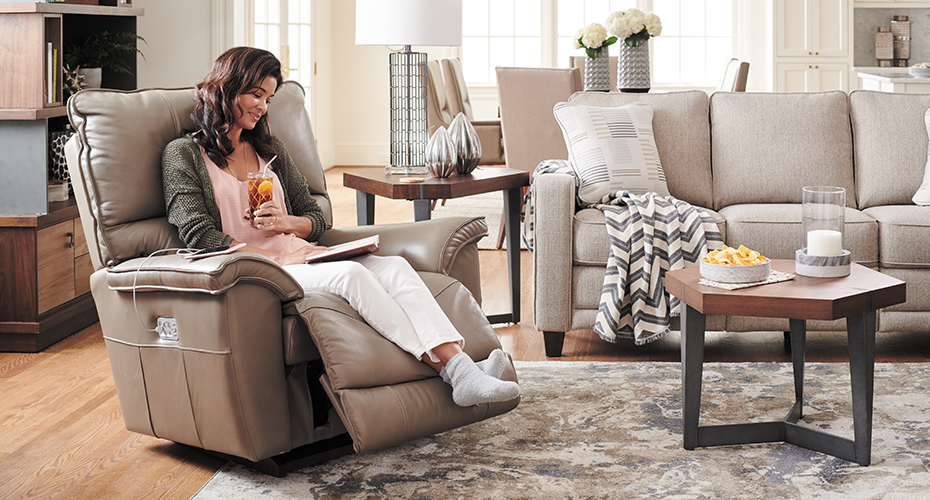
Finding the right recliner for your bedroom can make a significant difference in your daily comfort and relaxation. Whether you want a cozy spot for reading, a supportive chair for recovery, or simply a place to unwind, selecting the ideal recliner involves more than just picking a style you like. It’s about ensuring the chair fits your space, supports your body, and matches your lifestyle needs.
In this guide, we’ll break down the most important factors to consider when shopping for a bedroom recliner. From measuring your space to understanding different recliner mechanisms and upholstery options, you’ll learn how to make a decision that brings both comfort and practicality to your personal retreat.
For those interested in maximizing small spaces, you might also want to explore the benefits of a wall-hugger design for seniors, which can be especially helpful in compact bedrooms.
Key Considerations for Bedroom Recliner Selection
When deciding on the best recliner for your bedroom, it’s essential to prioritize both comfort and fit. Here are the main aspects to keep in mind:
- Room Size and Layout: Measure your available space, including doorways and walkways, to ensure the recliner won’t overcrowd the room.
- Recliner Dimensions: Check the chair’s width, depth, and height, as well as how much space it needs when fully reclined.
- Intended Use: Consider whether you’ll use the recliner for reading, napping, watching TV, or medical recovery. This will influence the features you need.
- Mobility Needs: If you or a loved one has limited mobility, look for models with power lift or easy-to-operate mechanisms.
Understanding Recliner Types and Mechanisms
There are several types of recliners, each offering unique benefits. Knowing the differences can help you select the most suitable option for your bedroom:
- Manual Recliners: Operated by a lever or push-back mechanism. These are straightforward but may require more effort to adjust.
- Power Recliners: Adjusted using an electric motor, often with a remote control. These are ideal for those who want effortless reclining or have limited strength.
- Lift Chairs: Designed to assist users in standing up. These are especially helpful for seniors or anyone with mobility challenges.
- Wall-Hugger Recliners: Require less clearance from the wall, making them perfect for smaller bedrooms.
If you’re unsure whether a manual or power model is right for you, this comparison of manual and power recliners provides a detailed look at the pros and cons of each type.

How to Assess Comfort and Ergonomics
Comfort is subjective, but there are some universal features to look for when evaluating a recliner’s support and feel:
- Seat Cushioning: Look for high-density foam or memory foam, which provides lasting support and resists sagging.
- Back Support: Lumbar support is crucial, especially if you’ll be sitting for extended periods. Some recliners offer adjustable lumbar features.
- Armrests and Headrests: Padded armrests and a supportive headrest can make a big difference in overall comfort.
- Recline Angles: Some chairs offer multiple positions, including zero-gravity or full lay-flat, which can be beneficial for relaxation or medical needs.
For individuals with specific health concerns, such as respiratory issues or sleep difficulties, you may want to read about the benefits of reclining for respiratory issues and how certain recliner positions can improve comfort and well-being.
Choosing the Right Size and Fit for Your Space
One of the most common mistakes is selecting a recliner that’s too large or too small for the bedroom. Here’s how to avoid that:
- Measure Your Room: Use a tape measure to determine the available floor space. Don’t forget to account for other furniture and pathways.
- Check Recliner Dimensions: Review the chair’s specifications, including width, depth, and height. Make sure to note the fully reclined length.
- Test the Fit: If possible, use masking tape or cardboard to outline the recliner’s footprint on your floor. This helps visualize how much space it will occupy.
- Consider Doorways and Delivery: Ensure the recliner can fit through doorways, hallways, and staircases during delivery.
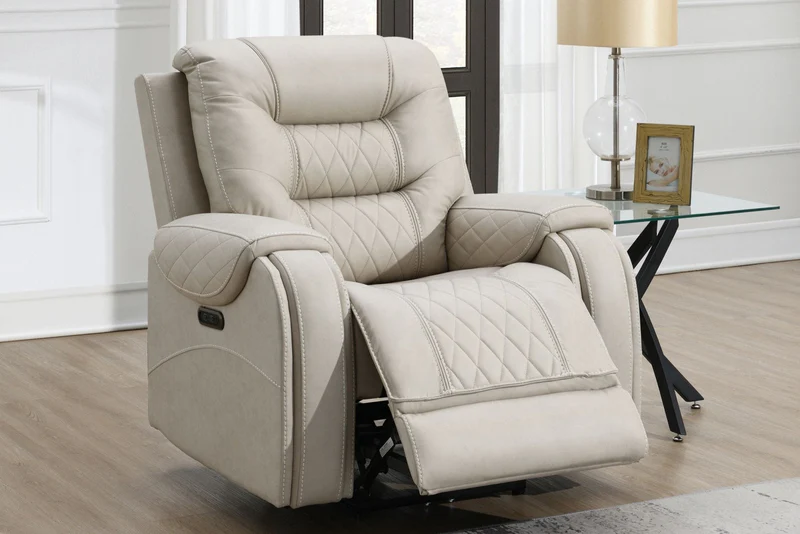
Material and Upholstery Options
The fabric or leather you choose for your recliner affects both comfort and durability. Here are some common options:
- Leather: Offers a classic look and is easy to clean, but can feel cold in winter and hot in summer.
- Fabric: Available in a wide range of colors and textures. Breathable and often more affordable than leather.
- Microfiber: Soft, stain-resistant, and easy to maintain, making it a popular choice for bedrooms.
- Performance Fabrics: Designed to resist spills, stains, and wear—ideal for homes with kids or pets.
When selecting upholstery, think about your lifestyle. If allergies are a concern, look for hypoallergenic materials. If you expect heavy use, opt for something durable and easy to clean.
Special Features and Customizations
Modern recliners offer a variety of features that can enhance your experience:
- Massage and Heat Functions: Some models include built-in massage or heating for added relaxation.
- USB Charging Ports: Convenient for charging devices without leaving your chair.
- Swivel and Rocking Options: These features can add versatility and comfort, especially in a bedroom setting.
- Adjustable Headrests and Lumbar Support: Customizable support can make a big difference for long-term comfort.
If you’re considering a recliner for recovery or medical support, you may find this guide on how to choose a recliner for post-stroke recovery helpful for identifying specialized features.
Budget, Warranty, and Long-Term Value
While it’s tempting to focus solely on price, remember that a quality recliner is an investment in your comfort and health. Here’s how to balance cost and value:
- Set a Realistic Budget: Decide how much you’re willing to spend, keeping in mind that features like power mechanisms and premium materials may increase the price.
- Check Warranty Coverage: A good warranty can protect your investment. Learn more about the importance of a warranty for senior recliners to ensure peace of mind.
- Consider Longevity: Durable construction and reputable brands often cost more upfront but save money in the long run.
FAQs About Bedroom Recliners
What size recliner is best for a small bedroom?
For compact spaces, look for wall-hugger or slim-profile recliners. Measure your available area and choose a model that allows for at least 12–18 inches of clearance from the wall when fully reclined. Always check the recliner’s dimensions and test the fit before purchasing.
Are power recliners better than manual ones for bedroom use?
Power recliners offer effortless adjustment and are ideal for those with mobility issues or anyone who prefers convenience. Manual recliners are typically less expensive and have fewer parts that can break. The best choice depends on your needs, preferences, and budget.
How do I maintain and clean my bedroom recliner?
Maintenance depends on the upholstery. For leather, use a damp cloth and leather conditioner. For fabric or microfiber, vacuum regularly and spot-clean stains with a mild detergent. Always follow the manufacturer’s care instructions to keep your recliner looking and feeling its best.
Final Thoughts
Choosing the right recliner for your bedroom involves careful consideration of space, comfort, and features. By measuring your room, understanding different recliner types, and prioritizing comfort and durability, you’ll be able to select a chair that enhances your bedroom’s functionality and your overall well-being. Take your time, compare options, and don’t hesitate to try out different models before making your final decision.