


Embracing graceful aging is about more than just looking young—it’s about nurturing confidence, maintaining wellness, and living a vibrant, healthy life at any stage. As we grow older, our bodies and minds change, but with the right mindset and practical strategies, we can continue to thrive. This guide explores actionable tips for supporting well-being, boosting self-esteem, and making daily living more comfortable and fulfilling.
For those interested in optimizing comfort and support, understanding the benefits of a high backrest for seniors can be a valuable step toward a healthier lifestyle.
Building Confidence as You Grow Older
Confidence is a cornerstone of graceful aging. While physical changes are natural, self-assurance can be cultivated at any age. Here are some ways to foster a positive self-image and maintain a sense of purpose:
- Stay Socially Connected: Regular interaction with friends, family, and community groups helps combat loneliness and keeps spirits high.
- Pursue Lifelong Learning: Taking up new hobbies, learning a language, or joining a book club can stimulate the mind and provide a sense of achievement.
- Celebrate Achievements: Recognize and honor your milestones, no matter how small. This reinforces self-worth and motivates continued growth.
- Practice Self-Compassion: Treat yourself with kindness and patience, especially when facing challenges or setbacks.
Confidence also comes from feeling comfortable in your environment. For example, choosing supportive furniture, such as recliners designed for seniors, can make a big difference. If you’re considering new seating, you might find it helpful to learn about the pros and cons of lay-flat recliners for seniors.
Wellness Habits for a Fulfilling Life
Well-being is at the heart of aging gracefully. Prioritizing physical, mental, and emotional health can help you enjoy each day to the fullest. Consider these wellness strategies:
- Stay Active: Regular movement, such as walking, swimming, or gentle stretching, supports mobility and heart health.
- Eat Balanced Meals: Focus on nutrient-rich foods—fruits, vegetables, lean proteins, and whole grains—to fuel your body and mind.
- Prioritize Sleep: Quality rest is essential for recovery and mental clarity. Establish a calming bedtime routine and create a sleep-friendly environment.
- Manage Stress: Mindfulness, meditation, and breathing exercises can help reduce anxiety and promote emotional balance.
Comfortable clothing is another important aspect of wellness. Choosing the right fabrics can help prevent skin irritation and support overall comfort. For more on this, see the benefits of breathable fabrics for elderly skin.
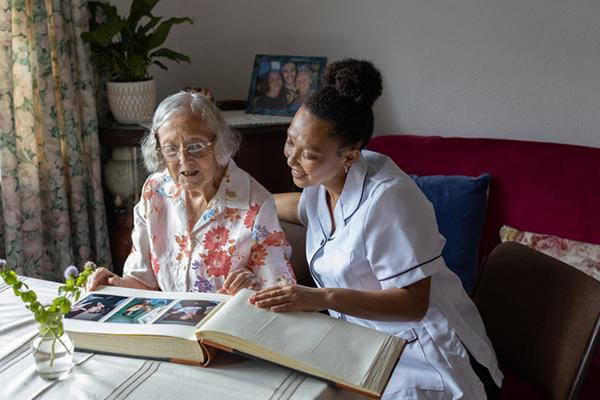
Healthy Living Strategies for Everyday Comfort
Making small adjustments to your daily routine and home environment can support independence and safety as you age. Here are some practical ways to enhance daily living:
- Home Safety: Install grab bars in bathrooms, use non-slip mats, and ensure walkways are clear to reduce fall risk.
- Smart Lighting: Motion sensor night lights can illuminate pathways at night, making it easier to move around safely.
- Assistive Devices: Tools like bed exit alarms provide peace of mind for both seniors and caregivers by alerting when assistance may be needed.
- Mobility Support: If mobility is a concern, consult resources like the caregiver guide for mobility problems for practical advice and solutions.
For those who spend extended time in recliners or chairs, it’s important to understand both the comfort and safety tips for sleeping in a recliner and the potential risks of sleeping in a recliner for seniors. This knowledge can help you make informed decisions about your rest and relaxation habits.
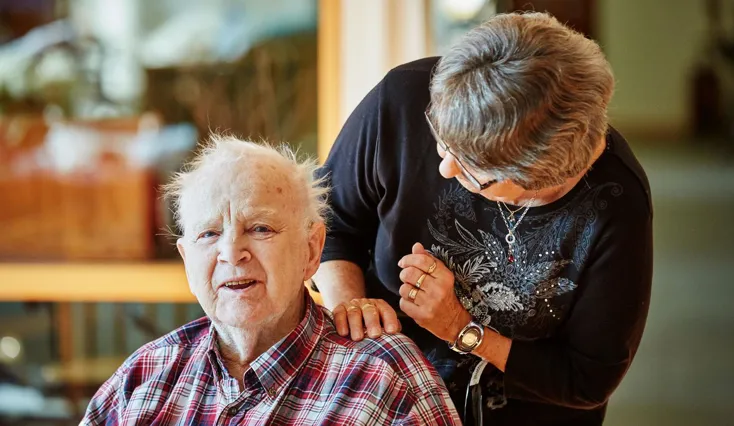
Mindset and Emotional Well-Being
Emotional health is a vital part of the journey. Maintaining a positive outlook and practicing gratitude can help you navigate changes with resilience. Consider these approaches:
- Stay Engaged: Volunteer, mentor, or participate in community activities to maintain a sense of purpose.
- Express Yourself: Journaling, painting, or music can be powerful outlets for emotions and creativity.
- Seek Support: Don’t hesitate to reach out to friends, family, or professionals if you need someone to talk to.
- Practice Mindfulness: Simple breathing exercises or meditation can help you stay present and manage stress.
Remember, graceful aging is not about denying the passage of time but embracing it with dignity, adaptability, and optimism. Each stage of life brings new opportunities for growth and fulfillment.
Frequently Asked Questions
What are the most important habits for aging well?
Key habits include staying physically active, eating a balanced diet, maintaining social connections, prioritizing sleep, and managing stress. Regular check-ups and adapting your home for safety also play a significant role in supporting long-term wellness.
How can I boost my confidence as I get older?
Building confidence involves celebrating your achievements, staying engaged in meaningful activities, learning new skills, and practicing self-compassion. Surrounding yourself with supportive people and maintaining a positive outlook can also help reinforce self-esteem.
What are some practical ways to make my home safer as I age?
Simple changes like installing grab bars, using non-slip mats, improving lighting with motion sensor night lights, and keeping pathways clear can significantly reduce fall risk. Assistive devices such as bed exit alarms can also enhance safety and independence.